


CBD and ADHD: A Therapeutic Connection or Just a Promise?
Attention Deficit Hyperactivity Disorder (ADHD) is a neurobiological condition that affects the lives of millions of people, manifesting in difficulties with attention, impulse control, and hyperactivity. While conventional treatments, such as stimulants and behavioral therapies, are the first line of defense, growing interest in cannabidiol (CBD) has opened a new field of research. The question many are asking is: could CBD be an ally in managing ADHD?
How CBD Relates to ADHD
To understand the potential connection, it's crucial to know that CBD is not a cure, but its potential lies in its ability to influence brain systems affected by ADHD.
Dopamine regulation: Dopamine is a key neurotransmitter in the brain that plays a central role in motivation, focus, and reward. ADHD is believed to be linked to anomalous functioning of this system. While CBD does not act directly on dopamine like stimulants do, research suggests it may have an indirect modulating effect, helping to balance this system to improve concentration.
Anxiety and stress management: It is very common for people with ADHD to experience a high degree of anxiety or stress. These feelings can aggravate symptoms of inattention and make it difficult to manage daily tasks. CBD is known for its anxiolytic properties, which could help calm the mind and, indirectly, allow for greater mental clarity and focus.
Improved sleep: Sleep disorders are a common companion of ADHD. Poor sleep not only affects mood and energy, but can also significantly worsen ADHD symptoms the next day. CBD has properties that promote relaxation and deeper, more restorative sleep, which is fundamental for daytime well-being.

The Evidence: What Does Science Say?
It is important to be cautious. Although anecdotal evidence is abundant, specific scientific research on CBD for ADHD is still very limited. Most studies on cannabis and ADHD have focused on THC (the psychoactive component), which has often confused the results.
Nevertheless, some preliminary studies with CBD have yielded intriguing results:
- A recent observational study in adults with ADHD noted that the use of a medical cannabis product containing both THC and CBD was associated with a reduction in hyperactivity and impulsivity symptoms. However, the effect of CBD alone could not be isolated.
- A case report in a medical journal detailed how a patient with ADHD showed improvement in attention and a reduction in impulsivity after starting to use CBD. Although individual cases are not representative, they open the door for future large-scale research.
Considerations and Recommendations
CBD is not a substitute for established medical treatments for ADHD. Science has not yet reached a consensus on its efficacy or optimal dosage. If you or someone you know is considering CBD as a supplement, it is vital to discuss it with a doctor or pharmacist.
Healthcare professional supervision is crucial for:
- Determining if CBD is appropriate for your case.
- Establishing the initial dosage and how to adjust it.
- Monitoring possible interactions with other medications you may be taking.
In summary, research on CBD and ADHD is at an exciting but early stage. While the potential to help manage symptoms such as anxiety and sleep problems is clear, more studies are needed to confirm its role in the primary treatment of ADHD. Caution, information, and medical guidance are the best allies on this new path.
According to current research and expert recommendations, CBD consumption for ADHD, as a condition that is sought to be managed long-term, is generally recommended in oil form. This format allows for more precise dose control, gradual absorption, and is more discreet and convenient for daily use.

Recommended Forms of Consumption
- CBD Oils: This is the most advisable form. They are administered sublingually (under the tongue), allowing CBD to be quickly absorbed into the bloodstream, avoiding initial liver metabolism and offering a longer-lasting and more consistent effect. Dosing is easy to adjust drop by drop.
- Capsules: They offer very precise dosing and are an excellent option if you don't like the taste of oil. However, the effect takes longer to manifest because the capsule must pass through the digestive system.
In summary, the main goal in managing ADHD is consistency and control. For this reason, CBD oil is considered the most suitable and safest format. It allows for precise daily dosing and a gradual effect that helps maintain the balance of the endocannabinoid system.
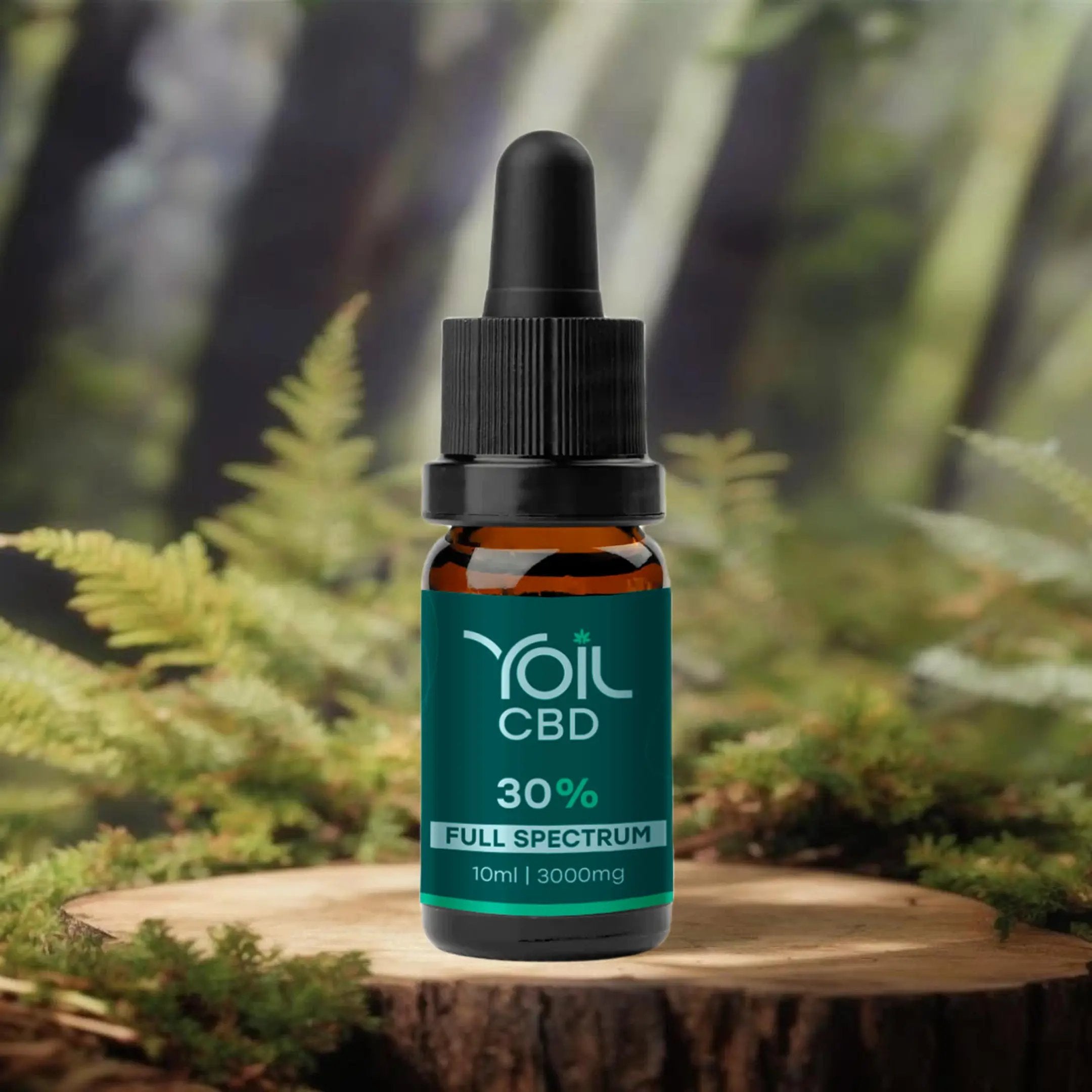
If you're encouraged to try our oils, don't miss our range of 100% organic and pure CBD.

Our oils are produced in the most ecological and healthy way possible: cold pressing. That is, the plant is squeezed to release its oil. There are very few products on the market with this quality. And in general they are much more expensive. Don't miss out on getting to know them.







%20is%20a%20neurobiological%20condition%20that%20affects%20the%20lives%20of%20millions%20of%20people,%20manifesting%20in%20difficulties%20with%20attention,%20impulse%20control,%20and%20hyperac...)