

The Entourage Effect: Why Full-Spectrum Products Outperform CBD Isolate | Research Article
Introduction
Cannabidiol (CBD) is a non-psychoactive compound from the Cannabis sativa plant that has gained popularity for its potential therapeutic benefits in anxiety, chronic pain, epilepsy, and other conditions. Different types of CBD extracts are available on the market: some products contain isolated CBD (pure cannabidiol only), while others are broad-spectrum (various cannabinoids and terpenes, without THC) or full-spectrum (include CBD along with other cannabinoids, terpenes, and trace amounts of THC). As cannabis science advances, the concept of the “entourage effect” has emerged to explain why full-spectrum extracts might be more effective than isolated CBD. In this article, we will explore the differences between isolated, broad-spectrum, and full-spectrum CBD, the synergy between cannabinoids, terpenes, and flavonoids, how these compounds interact with the endocannabinoid system, and the scientific evidence supporting their therapeutic applications.
Types of CBD Extracts: Isolate, Broad-Spectrum, and Full-Spectrum

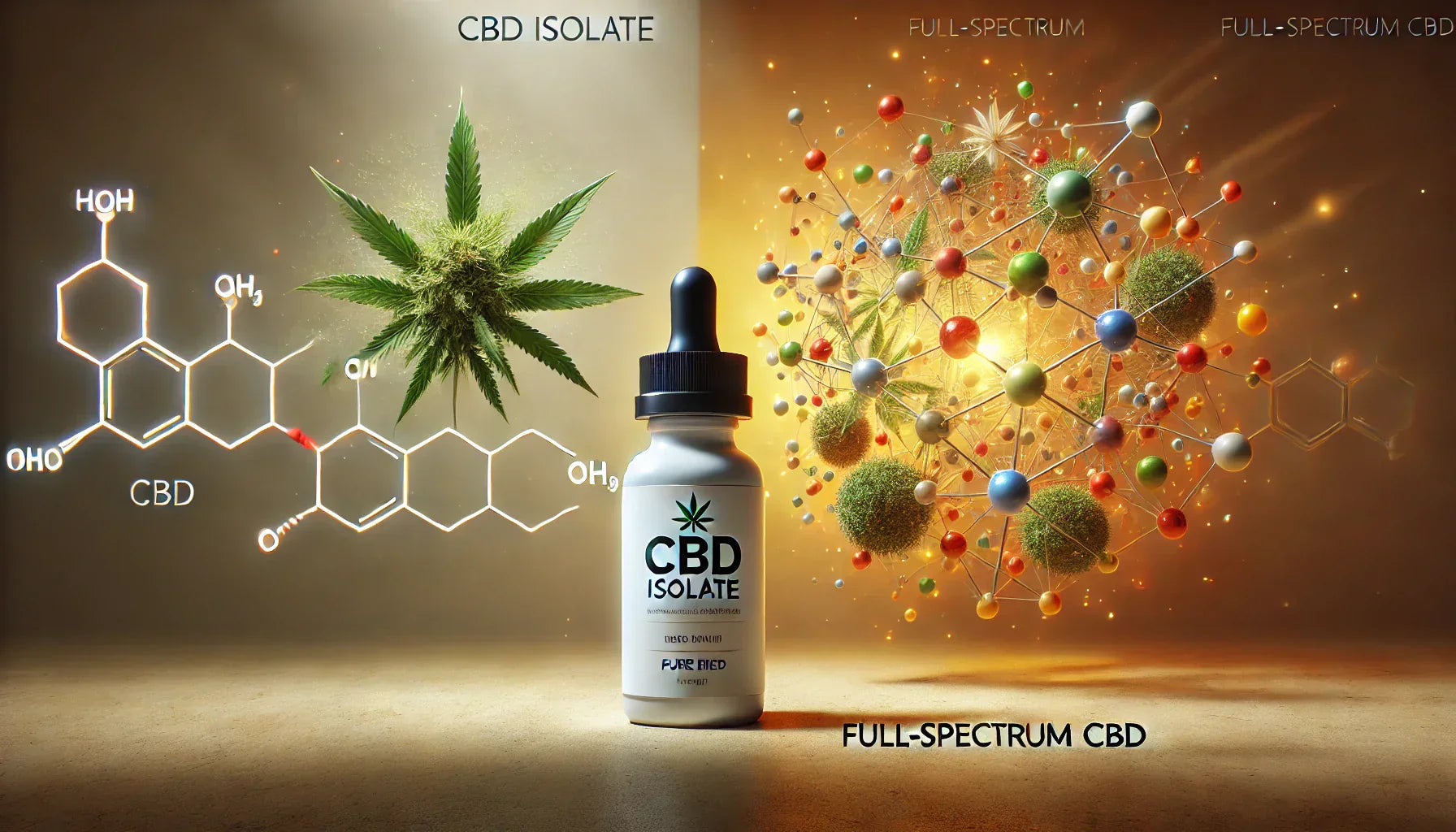
Figure representing isolated CBD and Full Spectrum (with all compounds)
Before delving into the entourage effect, it is important to understand the fundamental differences between the types of CBD products available:
• CBD Isolate:
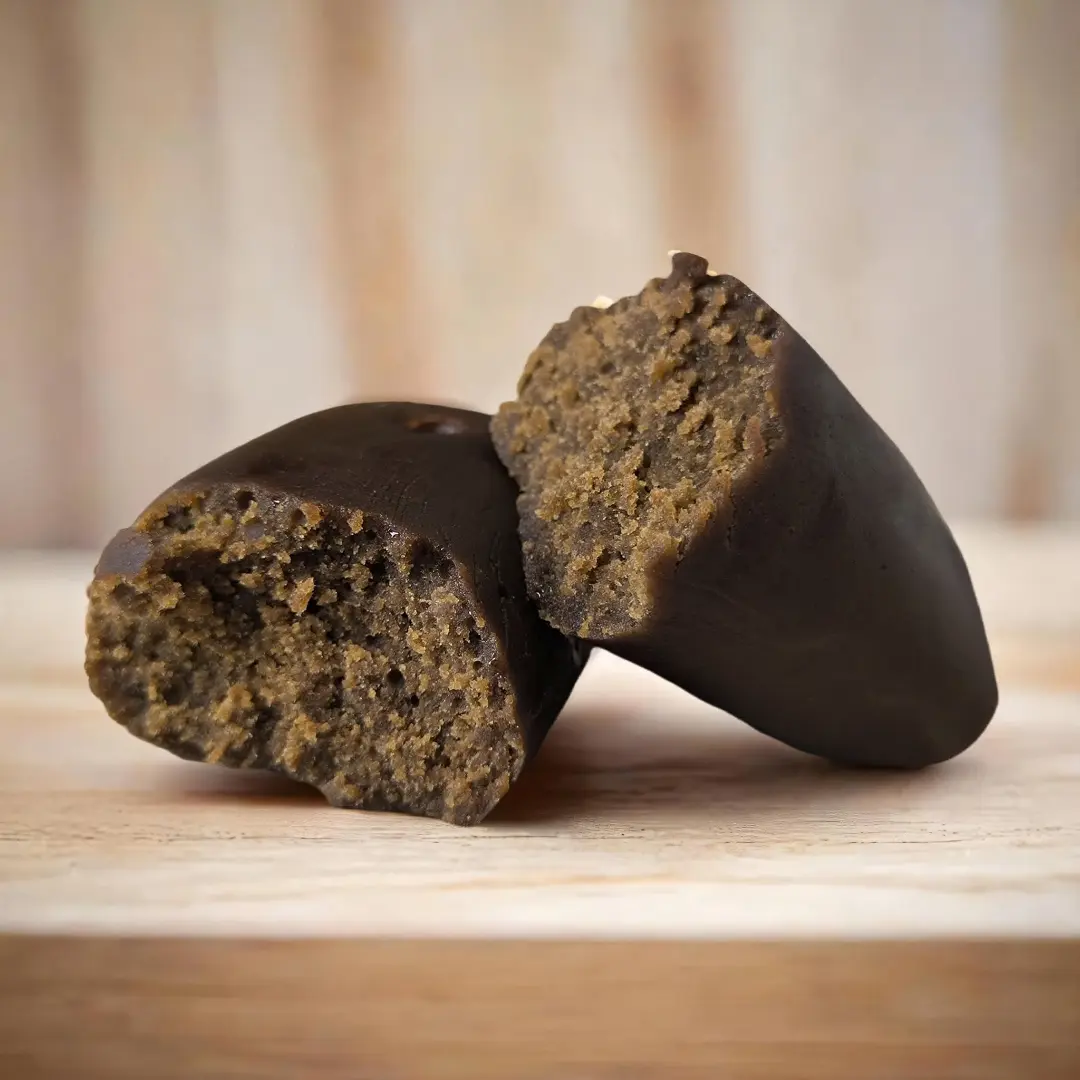
This is cannabidiol in its purest form (usually >99% CBD). All other plant material, including other cannabinoids, terpenes, and flavonoids, has been removed. This ensures that it does not contain THC, which is useful for those who need to completely avoid that component. However, being devoid of other plant compounds, isolated CBD lacks the potential synergy offered by more complete extracts.
• Broad-Spectrum CBD:
Contains CBD along with other minor cannabinoids (such as CBG, CBC, CBN, etc.) and natural plant terpenes, but THC is typically completely removed. Essentially, it is an intermediate point: it provides some of the benefits of full-spectrum (due to the presence of various compounds that can act together) without the risk of consuming THC. Many users choose broad-spectrum to leverage some of the entourage effect, excluding the contribution of THC.
• Full-Spectrum CBD:

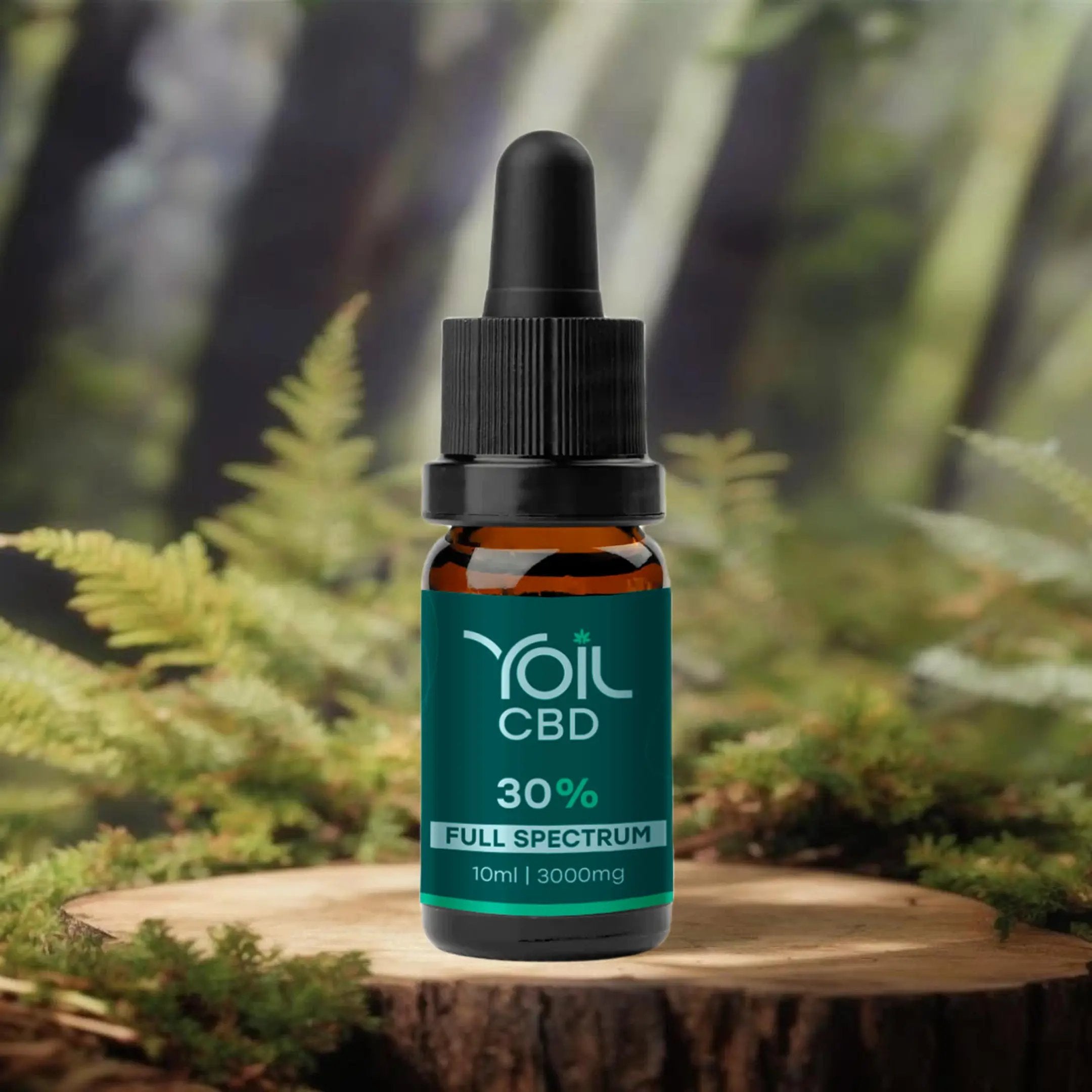
Yoil CBD is a range of organic and natural full-spectrum products https://cbdacasa.es/collections/yoil-cbd
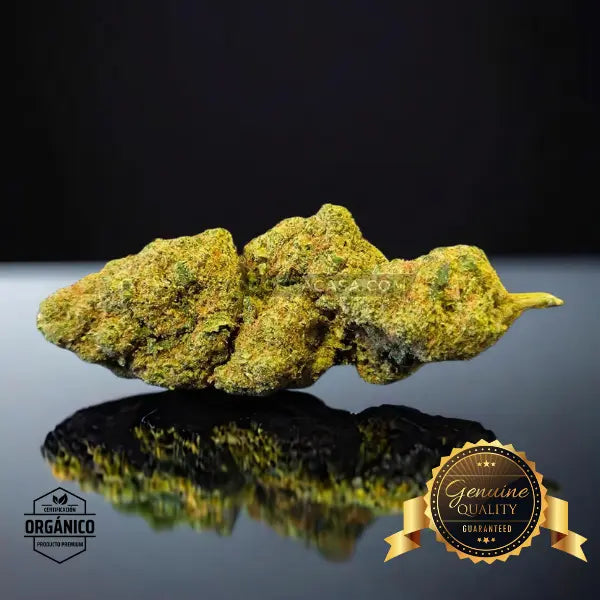
This is an extract that retains the full profile of natural cannabis compounds, including CBD, other cannabinoids (in some cases up to <0.3% THC, which is the legal limit in many places), terpenes, and flavonoids. It is essentially a whole-plant extract. These full-spectrum products are most associated with the entourage effect, as they incorporate the complete range of molecules capable of interacting with each other and with our body in a complementary way.
Below is a comparative table of these three types of extracts:
|
Extract Type |
Composition |
Contains THC? |
Characteristics |
|---|---|---|---|
|
CBD Isolate |
Only CBD (approx. 99% pure) |
No |
A single active compound; no other cannabinoids or terpenes; does not produce an entourage effect. |
|
Broad-Spectrum |
CBD + minor cannabinoids + terpenes |
No (removed or <0.01%) |
Various plant compounds except THC; offers partial synergy (moderate entourage effect). |
|
Full-Spectrum |
CBD + minor cannabinoids + terpenes + flavonoids (whole plant) |
Yes (legal trace <0.2–0.3%) |
Full plant profile, including minimal THC; maximum potential synergy and entourage effect. |
Why do these differences matter?

In simple terms, full-spectrum extracts offer a wider range of therapeutic molecules that can act together. In contrast, isolated CBD provides a more limited action, relying on a single compound. Various studies suggest that the presence of multiple cannabinoids and terpenes in an extract can enhance the therapeutic efficacy of each component through synergistic interactions.
The Synergy between Cannabinoids, Terpenes, and Flavonoids (The “Entourage Effect”)

Figure Mass spectrum, sample D Cannabis 10 mg/L.
The entourage effect describes the combined and enhancing action of the different cannabis components when administered together, in contrast to their separate effects. This term was initially coined from studies in 1998 when researchers like Raphael Mechoulam and Shimon Ben-Shabat observed that certain "inactive" endogenous metabolites could potentiate the activity of active endocannabinoids (like anandamide) in the body. Subsequently, this idea was extrapolated to the phytocannabinoids of the cannabis plant: meaning, the plant's compounds could work together to produce greater benefits.
In a full-spectrum extract, we primarily find three families of molecules that contribute to the entourage effect:
• Cannabinoids:

Figure Mass spectra of fractions 3(a), 4(b), and 5(c) of sample D Cannabis sativa.
In addition to CBD, the plant produces dozens of phytocannabinoids. Some, such as Δ9-THC (tetrahydrocannabinol) and CBD, are major; others are considered "minor cannabinoids" (CBG, CBC, CBN, THCV, etc.). Each has distinct pharmacological properties. For example, THC is psychoactive and a potent agonist of CB1 receptors (produces euphoria, analgesia, stimulates appetite, etc.), while CBD indirectly modulates the activity of these receptors and has anxiolytic, anticonvulsant, and anti-inflammatory properties without psychoactive effects. Minor cannabinoids such as CBG (cannabigerol), CBC (cannabichromene), or THCV (tetrahydrocannabivarin) have also shown therapeutic promise in recent studies, each contributing its own effects (e.g., THCV can be an appetite suppressant and anticonvulsant at certain doses, CBG has antibacterial and anti-inflammatory properties, etc.). When all these cannabinoids are present together, they can complement each other's effects. A notable clinical example is the medication Sativex® (nabiximols) – a full-spectrum cannabis extract with equivalent proportions of THC and CBD – used to treat spasticity and pain in multiple sclerosis patients. In clinical trials, Sativex (THC+CBD) was more effective in alleviating pain and spasticity than an extract with THC alone, and it also produced fewer psychoactive side effects. This indicates that CBD and other components in the extract attenuated the undesirable effects of THC while enhancing pain relief, a clear example of the entourage effect in action.
• Terpenes:
These are the aromatic compounds responsible for the characteristic smell of cannabis (and many other plants). More than 200 terpenes have been identified in different cannabis strains, although only about a dozen appear in relevant concentrations. Some common terpenes include myrcene (earthy/clove aroma), limonene (citrusy), pinene (pine/mint), linalool (floral/lavender), and beta-caryophyllene (spicy/black pepper). Terpenes not only provide aroma but also have biological properties. For example, preclinical and anecdotal evidence suggests that myrcene has sedative and analgesic effects (believed to contribute to the relaxing sensation associated with some indica varieties), limonene can improve mood and has immunomodulatory properties, linalool (also present in lavender) is anxiolytic and sedative, and α-pinene could help maintain alertness and memory (partially counteracting THC's memory deficits). A prominent case is β-caryophyllene, an abundant terpene with a pepper aroma that curiously also acts as a cannabinoid: it is a selective agonist of the CB2 receptor (peripheral cannabinoid receptor) and exhibits anti-inflammatory and analgesic effects without being psychoactive. In fact, β-caryophyllene is sometimes called a “dietary cannabinoid” due to its presence in edible spices and its activity on the endocannabinoid system. The presence of terpenes in a full-spectrum extract can modulate and enhance the effects of cannabinoids. A classic article by researcher Ethan Russo in 2011 compiled multiple potential examples of cannabinoid-terpenoid synergy, noting that interactions between terpenes and cannabinoids could broaden the therapeutic range of cannabis. For example, combining certain terpenes with THC or CBD could enhance pain reduction, inflammation, or anxiety more than each component alone. This terpenoid synergy is an integral part of the entourage effect.
• Flavonoids:
These are polyphenolic compounds present in many plants, including cannabis, where they contribute to color and bioactivity. Cannabis contains common flavonoids (quercetin, kaempferol, apigenin) and also some exclusive ones called cannaflavins. Cannaflavins A, B, and C are unique prenylated flavonoids of Cannabis sativa that have demonstrated potent anti-inflammatory activity. Studies from the 1980s found that cannaflavins A and B strongly inhibit the production of prostaglandins (key mediators of inflammation) in human synovial cells, with a potency approximately 30 times greater than aspirin in ex vivo experimental models . This means that, although present in smaller proportions, these flavonoids could provide an additional anti-inflammatory effect to the full-spectrum extract, acting through pathways distinct from those of cannabinoids. In addition to cannaflavins, other cannabis flavonoids can be antioxidants and neuroprotective. Although often the least mentioned components, flavonoids are part of the entourage effect, especially in the areas of inflammation and neuroprotection, complementing the activity of cannabinoids and terpenes.
When all these compounds act together, the result is a natural therapeutic cocktail where each component can influence the activity of the others. The entourage effect does not necessarily imply that “more is always better” indiscriminately, but rather that appropriate combinations of molecules can provide a superior benefit. In fact, scientists describe subtypes of interactions: the intra-compound entourage effect (interactions between multiple cannabinoids or between multiple terpenes) and the inter-compound entourage effect (interactions between cannabinoids and terpenes) . An example of positive synergy is how the combination of THC and CBD along with analgesic terpenes can offer greater pain relief; while an example of an undesirable interaction could be the presence of a compound that counteracts the effect of another (sometimes called a "parasite" effect in in vitro contexts). Nevertheless, in general, preclinical and clinical evidence to date supports the notion that full-spectrum cannabis extracts produce enhanced medical effects compared to isolated molecules, thanks to these synergistic interactions . In the next section, we will see how these substances exert their effects jointly at the level of the body's endocannabinoid system.
[ NCBI Sources ] Figure 1: Schematic comparison of the therapeutic response between isolated CBD (in blue) and a full-spectrum extract (in green), based on preclinical data for inflammation and pain. Isolated CBD typically shows efficacy with a bell-shaped curve: it works only within a narrow dose range (loses effectiveness at doses higher or lower than the optimum). In contrast, the full-spectrum extract maintains a more linear and sustained dose-effect relationship, providing increasing relief at higher doses without abruptly decreasing efficacy. This graph illustrates how the presence of multiple compounds in the full extract helps to overcome the limitation of pure CBD, which by itself has a more limited therapeutic range.
Interaction of Compounds with the Endocannabinoid System
The endocannabinoid system (ECS) is a cellular signaling network present in all mammals, discovered in the 1990s while investigating how THC exerted its effects. The ECS primarily comprises cannabinoid receptors (CB1 and CB2), their endogenous ligands (such as anandamide and 2-AG) called endocannabinoids, and enzymes that synthesize and degrade these ligands. This system regulates multiple physiological processes, including pain, inflammation, mood, appetite, memory, and immune response. CB1 receptors are found abundantly in the central nervous system (brain and spinal cord) and are responsible for neuropsychological effects (e.g., central analgesia, changes in mood and perception, motor coordination, etc.). CB2 receptors predominate in immune system cells and peripheral tissues, modulating cytokine release and inflammation.
How do phytocannabinoids, terpenes, and flavonoids in cannabis fit into this system?
Each type of molecule interacts in a particular way:
• THC:
is a potent partial agonist of CB1 and CB2 receptors. By binding to CB1 in the brain, it produces the classic psychoactive "high" sensation, as well as analgesic and antiemetic effects. At CB2 receptors, it helps reduce inflammation and peripheral pain. THC essentially mimics the body's natural endocannabinoids by activating their receptors, albeit in a more prolonged way. However, at high doses, THC can cause anxiety, tachycardia, and other adverse effects, and its potent action on CB1 has a limited therapeutic ceiling due to its psychoactive side effects.
• CBD:
Interestingly, CBD has low direct affinity for CB1 and CB2. Instead of fitting like a key in a lock, CBD acts by modulating the ECS in other ways: it can function as a negative allosteric modulator of CB1 (binding to an alternate site on the receptor, slightly reducing activation by THC or endocannabinoids), it inhibits the FAAH enzyme (which breaks down anandamide), thereby increasing the body's own endocannabinoid levels, and it also activates or desensitizes other non-cannabinoid receptors (such as TRPV1, associated with inflammatory pain, or certain serotonin receptors like 5-HT1A that mediate anxiolytic effects). In short, CBD regulates the ECS indirectly, softening excessive CB1 activity (which partly explains why it reduces THC's psychoactivity) and enhancing alternative analgesic and anti-inflammatory pathways.
• Other minor cannabinoids:
may have varying affinities. For example, CBG in its active form can weakly interact with CB1 and CB2 but also has affinity for alpha-2 adrenergic receptors (relevant in analgesia) and can inhibit anandamide reuptake, strengthening the endocannabinoid signal. THCV at low doses acts as a CB1 antagonist (blocking THC effects, useful for appetite or weight control), but at higher doses, it can become a partial CB1 agonist. CBC has shown interaction with TRPV receptors (related to pain) and could indirectly influence the ECS. Each adds a piece to the puzzle of pharmacological interaction.
• Terpenes:
some terpenes act on the ECS indirectly or in parallel. The most direct case is the aforementioned β-caryophyllene, which does directly bind to the CB2 receptor as an agonist, activating it similarly to how a traditional cannabinoid would. By activating CB2 (without activating CB1), β-caryophyllene can exert peripheral anti-inflammatory and analgesic effects without causing a high, thus complementing the effect of CBD and THC. Other terpenes do not bind to CB1/CB2 but affect neurotransmitters and related receptors: for example, linalool can modulate glutamate receptors and enhance the activity of the GABA_A receptor (the main inhibitor in the brain), contributing to anxiolytic and sedative effects; limonene can influence serotonin and adenosine receptors, which explains its possible mild anxiolytic and mood-stimulating effects; myrcene could increase the permeability of the blood-brain barrier, facilitating cannabinoids' entry into the brain, in addition to interacting with potassium channels related to muscle relaxation and sedation; α-pinene can inhibit the acetylcholinesterase enzyme in the brain, helping maintain higher levels of acetylcholine (a key neurotransmitter in memory and alertness), thus counteracting the temporary amnesia induced by THC. In summary, terpenes do not act on the ECS in a classical way (except β-caryophyllene), but by modulating other neurochemical systems, they manage to influence the overall experience and therapeutic effect of cannabis. This influence can be additive or synergistic with that of cannabinoids; for example, a sedating terpene will reinforce the calming effect of CBD or THC, while a stimulating terpene could provide mental clarity to a THC-rich strain.
• Flavonoids:
cannabis flavonoids also do not bind to CB1 or CB2, but they complement therapeutic effects through other pathways. As we saw, cannaflavins inhibit prostaglandin synthesis (via the COX-2 pathway), acting similarly to a non-steroidal anti-inflammatory drug (NSAID) but much more potently in laboratory tests . This reduces inflammation and pain through a mechanism completely different from that of cannabinoids (which act via CB2 or cytokine modulation). Other flavonoids in cannabis, such as quercetin, have antioxidant properties and can help scavenge free radicals, protecting cells from oxidative stress. Some flavonoids can also influence transporters and liver enzymes, potentially altering the pharmacokinetics of cannabinoids (e.g., prolonging their effect). Together, although flavonoids are "supporting actors" in the cannabis cast, they provide additional anti-inflammatory, analgesic, and neuroprotective effects that enrich the profile of a full-spectrum extract.
When all these components interact in our body, multiple targets of action occur simultaneously: cannabinoids act on CB1/CB2 receptors and beyond, terpenes modulate neurotransmission and complementary receptors, and flavonoids decrease inflammatory mediators. The endocannabinoid system serves as a central node in this network, integrating signals from CB1/CB2 with other biochemical pathways. The result is that a full-spectrum extract can simultaneously affect different physiological pathways related to a pathology, obtaining a more complete therapeutic effect. For example, in chronic inflammatory pain: THC will activate CB1 (reducing pain perception in the spinal cord and brain) and CB2 (decreasing local inflammation); CBD will raise levels of its own endocannabinoids and activate TRPV1 (releasing analgesic endorphins); β-caryophyllene will activate CB2 in immune cells in the affected area (reducing inflammatory prostaglandin release); flavonoids like cannaflavin will inhibit prostaglandin E2 production in injured tissues; and terpenes like myrcene will contribute to sedation and muscle relaxation. All these effects are additive or synergistic, providing greater overall relief than any of them in isolation.
Scientific Evidence and Therapeutic Applications
The entourage effect is not just a theory; more and more scientific studies provide evidence that full-spectrum cannabis products have therapeutic advantages over isolated molecule formulations. Below, we review some key medical applications and relevant research findings:
• Pain and inflammation:
The management of chronic pain is one of the areas where medical cannabis has shown efficacy. A randomized controlled clinical study in patients with advanced cancer pain who did not respond well to opioids compared three groups: pure THC extract, THC+CBD extract (full-spectrum product, equivalent to Sativex), and placebo. The results were remarkable: only the extract with THC+CBD achieved a significant reduction in pain compared to placebo, while isolated THC was no better than placebo. In fact, the THC+CBD group had twice as many patients who experienced >30% pain relief compared to placebo, something not observed with THC alone. The presence of CBD (and possibly other minor components) in the full extract made the difference in analgesic efficacy. In animal models of inflammatory pain, a similar phenomenon has been observed: pure CBD exhibits a "bell-shaped" dose-response curve (it is effective only within a limited dose range, losing effect at high doses), but when a CBD-rich plant extract (full-spectrum) is administered, the dose-effect relationship becomes linear, meaning that the higher the dose, the greater the relief, eliminating the drop in efficacy seen with isolated CBD. A study conducted in 2015 by Jerusalem researchers demonstrated precisely this: the whole-plant extract continued to reduce inflammation and pain as the dose increased, while isolated CBD reached a peak followed by a decrease in efficacy. Furthermore, almost three times more isolated CBD dose was required to achieve the same anti-inflammatory effect as the full extract, highlighting the added potency of accompanying compounds. This evidence supports that, for pain and inflammation, full-spectrum products can offer more consistent and potent relief. In clinical practice, this sometimes translates into chronic pain patients achieving better pain control with balanced extracts (e.g., CBD + some THC + terpenes) than with pure CBD. It has also been observed that certain cannabinoids and terpenes together can address different types of pain: THC and CBD for neuropathic pain, β-caryophyllene for inflammatory pain via CB2, linalool and myrcene to enhance sedation and relaxation, etc.
• Epilepsy and seizure disorders:
Refractory epilepsy (resistant to conventional treatments) has been a significant focus of CBD research, especially in light of cases like that of Charlotte Figi (Dravet syndrome), which popularized the use of CBD-rich cannabis oils. Today there is an approved drug, Epidiolex®, which is practically pure CBD, indicated for rare epilepsies. Epidiolex has demonstrated clinical efficacy; however, some observational studies suggest that whole-plant CBD-rich extracts can control seizures at lower doses and with additional effects. In a meta-analysis of observational data (Fabricio Pamplona et al., 2018) that gathered information from 670 patients with resistant epilepsy, it was found that 71% of patients treated with CBD-rich cannabis extracts (full-spectrum) reported improvement in seizure frequency, compared to only 46% improvement in those who received purified CBD . In addition, patients using full-spectrum extract required an average daily dose of 6.0 mg/kg of CBD, while those treated with isolated CBD needed around 25.3 mg/kg daily to try to control seizures . This suggests that the full extract was approximately 4 times more dose-efficient than pure CBD. Although when applying a stricter clinical criterion (≥50% reduction in seizures) the difference between both groups was not statistically significant, an important finding was that adverse side effects (both mild and severe) were much more frequent with isolated CBD than with the full extract . That is, the therapeutic profile seemed more favorable with the use of integral cannabis oil. The authors attribute these differences to the probable entourage effect – the synergy of CBD with small levels of THC and other phytocompounds – although they note that controlled clinical trials are needed to confirm this . Beyond this study, individual clinical reports have also described cases of patients who did not respond to Epidiolex but did achieve seizure reduction with artisanal cannabis preparations. At a preclinical level, animal experiments support the idea that adding even small amounts of THC or other cannabinoids can enhance the anticonvulsant effect of CBD . For example, studies in murine seizure models have observed that different cannabis strains/extracts (with diverse cannabinoid profiles but the same amount of CBD) had different anticonvulsant efficacy, and extracts with certain combinations of minor cannabinoids achieved better results in reducing seizure severity than CBD alone. Overall, the evidence suggests that in difficult epilepsies, a carefully prepared full-spectrum extract could offer advantages, although it is a field where research continues.
• Anxiety and mood disorders:
CBD itself has well-documented anxiolytic properties in preclinical and clinical studies for social anxiety disorder, panic disorder, post-traumatic stress, etc. Part of this effect is attributed to the modulation of the 5-HT1A serotonin receptor and the reduction of amygdala activation. Now, does the entourage effect contribute to anxiety? Many users report that full-spectrum oils are more relaxing than isolated CBD. This could be due to terpenes like linalool (similar to lavender aroma, with proven relaxing properties) and myrcene (sedative), which together with CBD produce a more pronounced effect in reducing tension. An interesting example is the use of CBD-rich cannabis strains with a terpene profile dominated by myrcene and caryophyllene, popularly known for their calming effect. Although more specific human research is needed to isolate the contribution of terpenes to anxiolysis, it has been shown in animal models that inhalation of limonene or linalool reduces anxiety behaviors, which suggests that when included in an oral extract, they could also help. It should be mentioned that, unlike pain or epilepsy, in the case of anxiety, THC can be a double-edged sword: at low doses, THC has an anxiolytic effect, but at high doses, it can cause anxiety and panic in susceptible individuals. For this reason, some patients with anxiety prefer broad-spectrum extracts (without THC) or with very low THC, to take advantage of the CBD-terpene synergy without the risk of THC-induced anxiety. Flavonoids with antidepressant properties (such as apigenin present in chamomile and also in cannabis) could also add beneficial effects to the full spectrum. While direct clinical trials comparing isolated CBD vs. full-spectrum in anxiety disorders are lacking, the emerging consensus is that the rich combination of compounds in the full spectrum provides more noticeable relief from stress and anxiety, at least anecdotally.
• Other therapeutic fields:
The list of potential applications of the entourage effect continues to grow. In cancer management, in addition to helping with associated symptoms (pain, nausea, appetite), the direct anticancer effects of phytocannabinoids are being investigated. An in vitro study with breast cancer cell lines showed that a complex cannabis extract inhibited tumor growth more than pure THC, and it was suspected that the difference was due to the presence of small amounts of CBG (cannabigerol) and THCA (tetrahydrocannabinolic acid) in the extract, which added to the anticancer activity. In models of brain cancer (glioblastoma), combinations of THC+CBD have been more effective in inducing cancer cell death than either alone, and are even enhanced with certain terpenes. As for neurodegenerative diseases like Alzheimer's or Parkinson's, it is postulated that a full extract could address several aspects: neuroglial inflammation (via CB2 and flavonoids), oxidative stress (antioxidant flavonoids), neurotransmitter dysfunction (terpenes modulating GABA, acetylcholine, etc.), and motor symptoms (THC/CBD modulating neurotransmitters). For example, in a multiple sclerosis model, the combination of THC and CBD was shown to jointly suppress neuroinflammation better than each alone . There is also research on the use of full extracts in autism spectrum disorders, where it is believed that the broad cannabinoid-terpene profile helps modulate multiple neurotransmitters, leading to improvements in irritability and social behavior that isolated CBD would not achieve as effectively.
In all these fields, a recurring theme is the need for more clinical trials to distinguish how much of the benefit comes from the synergy between compounds. So far, much of the data supporting the entourage effect comes from preclinical studies in animals, case reports, or retrospective analyses. Still, the trend of results suggests that a multi-compound solution frequently outperforms an isolated one. This is not surprising, as modern pharmacology recognizes in other contexts (such as HIV treatments, chemotherapy, combined antibiotics) that polypharmacy or the combination of drugs can be more effective than monotherapies – in the case of cannabis, nature already provides "polypharmacy" in every drop of full-spectrum extract.
Conclusions we can consider
The entourage effect represents a paradigm shift in how we understand the action of medicinal cannabis. Instead of considering CBD, THC, or another cannabinoid in isolation as the therapeutic "star," the entourage effect teaches us that the set of compounds that coexist in the plant work better as a team. The synergy between cannabinoids, terpenes, and flavonoids can broaden the range of conditions that can be treated, enhance the magnitude of the beneficial effect, and even mitigate side effects (as we saw with CBD reducing THC's psychoactivity, or full-spectrum requiring lower doses of CBD to control seizures with fewer adverse effects).
For consumers and patients, this translates into practical considerations when choosing CBD or medicinal cannabis products:
- • An isolated CBD oil may be suitable if pure cannabidiol is sought (for example, in people very sensitive to THC or subject to strict drug tests), but it could have a limited optimal dose point and lower efficacy in certain pathologies.
- • A broad-spectrum CBD product offers a balance: it provides various beneficial molecules except THC, being useful for those who want to avoid THC but still get some synergy. It can be effective for anxiety, mild inflammation, and general well-being.
- • A full-spectrum extract is usually the preferred option in more complex medicinal contexts (intense chronic pain, resistant epilepsy, multiple symptoms), provided that the small THC content is not a legal or clinical inconvenience. These extracts maximize the entourage effect, and as we saw, there is evidence that they can achieve greater therapeutic effect at equivalent doses than pure CBD formulations .
It is important to note that individual efficacy may vary. Each person has a unique endocannabinoid system, and factors such as genetics, metabolism, and specific condition influence how well a full-spectrum product works versus an isolated one. Therefore, although science supports the average superiority of full-spectrum in many cases, in practice some individuals might prefer one formulation or another. Personalized dosing and clinical observation remain key.






%20is%20a%20non-psychoactive%20compound%20from%20the%20Cannabis%20sativa%20plant%20that%20has%20gained%20popularity%20for%20its%20potential%20therapeutic%20benefits%20in%20anxiety,%20chronic%20pain,%20epilepsy,%20an...)