

CBG vs. CBD: The New Protagonists of Natural Wellness
In the world of cannabinoids, CBD (cannabidiol) has been the undisputed star in recent years, but there's another emerging compound gaining notoriety: CBG (cannabigerol). Although both come from the cannabis plant, they have unique properties that offer different benefits for the body and mind. If you've ever wondered about the difference between CBG and CBD, or how they interact with our body's endocannabinoid system, this article explains it all (even if you want to know how it acts on the mind, we've got that too). And, of course, we'll tell you some curious stories and cases that have fascinated the scientific and wellness community.
And below are some curious CASES that will intrigue you.
What is CBG? The "Mother" Cannabinoid
CBG is known as the "mother cannabinoid" because it is the chemical precursor to other more well-known cannabinoids, such as THC and CBD. During the maturation process of the cannabis plant, CBG-A (cannabigerolic acid) transforms into these more familiar compounds. This means that, although CBG is not as abundant in mature cannabis plants, it is fundamental for the creation of other cannabinoids.

An interesting aspect of CBG is that, unlike THC, it is not psychoactive, meaning it does not cause the "high" associated with marijuana use. This makes it a promising option for those seeking the therapeutic benefits of cannabis without the psychoactive effects.
Key Differences between CBG and CBD
Although both CBG and CBD are non-psychoactive cannabinoids, their effects on the body are different.

1. Interaction with cannabinoid receptors:
CBG primarily binds to CB1 and CB2 receptors of the endocannabinoid system. CB1 receptors are mainly found in the brain and central nervous system, while CB2 receptors are more present in the immune and peripheral systems. This interaction allows CBG to have potential in the treatment of neurological diseases, such as glaucoma and Huntington's, as it can reduce inflammation and act as a neuroprotectant.
CBD, on the other hand, does not directly bind to CB1 and CB2 receptors, but rather modulates the endocannabinoid system indirectly, improving the natural signaling of cannabinoids in the body. This makes CBD more effective for conditions such as anxiety, chronic pain, and sleep disorders.
2. Effects on appetite:
Studies have shown that CBG can increase appetite, making it an interesting option for patients with anorexia or those suffering from involuntary weight loss, such as occurs in cancer or HIV. CBD, in contrast, does not appear to have a significant effect on appetite.
Curious Cases: From Science to Popular Culture
CBG, although less known, is starting to gain prominence in some surprising cases. For example, in some animal studies, CBG has been observed to be effective in treating glaucoma by reducing intraocular pressure. This finding has sparked growing interest among ophthalmologists and eye health researchers.
In a curious case, a group of Italian researchers discovered that CBG had antibacterial properties, particularly against methicillin-resistant Staphylococcus aureus (MRSA), a bacterium highly resistant to traditional antibiotics. This discovery has opened new doors for investigating the effects of CBG on bacterial infections that do not respond well to conventional treatments.
In wellness culture, some natural product brands are beginning to incorporate CBG into their formulas, promoting its benefits for gut health and pain relief. The "holistic wellness" trend has found a new approach to body and mind care in CBG.
The Endocannabinoid System: What role do CB1 and CB2 receptors play?
The endocannabinoid system is a complex network of receptors distributed throughout the body, which interacts with cannabinoids that our own body produces, as well as with cannabinoids that come from external sources such as CBG and CBD. The two main receptors of this system are CB1 and CB2.
By the way, a very good article is this: Do probiotics combined with CBD relieve anxiety?
• CB1 Receptors:
Are found primarily in the brain and central nervous system. These receptors are responsible for the psychoactive effects of THC, but also play a role in regulating memory, appetite, and mood.
• CB2 Receptors:
Are more abundant in the immune system and are involved in the inflammatory response. This is where CBG shows its potential to reduce inflammation and act as an antioxidant.
What's fascinating about CBG is that it interacts directly with both types of receptors, which gives it anti-inflammatory, analgesic, and neuroprotective properties. Meanwhile, CBD modulates the endocannabinoid system indirectly, stimulating the body to more effectively use its own cannabinoids.
What is the Future of CBG in Health and Wellness?
It's hard to predict the future, but I'm going to venture a guess.
The future of CBG looks very promising. Although it has been overshadowed by CBD until now, growing research into its potential health benefits is positioning it as a key cannabinoid in the treatment of various diseases. Furthermore, people seeking natural wellness products have begun to show interest in CBG for its ability to act in areas such as gut health, chronic pain relief, and the treatment of neurological disorders.
While CBD remains the most popular cannabinoid on the market, CBG is starting to steal the spotlight thanks to its unique properties. As research continues, we can expect to see more products that combine both cannabinoids to offer a wider range of health benefits.
What we understand in a nutshell: The Universe of Cannabinoids Never Stops Surprising Us
CBG and CBD are two of the many cannabinoids that the cannabis plant has to offer, and while they share some similarities, they also have key differences that can make them more suitable for certain health problems. Both CBG and CBD interact with the endocannabinoid system in fascinating ways, and their therapeutic potential is only the beginning of what science is discovering about these compounds.
If you are interested in holistic wellness, staying abreast of advances in the use of cannabinoids like CBG could open new doors to improving your health naturally. You know what to do: "follow us". With so many beneficial properties to explore, CBG is poised to become the next big player in the wellness world.
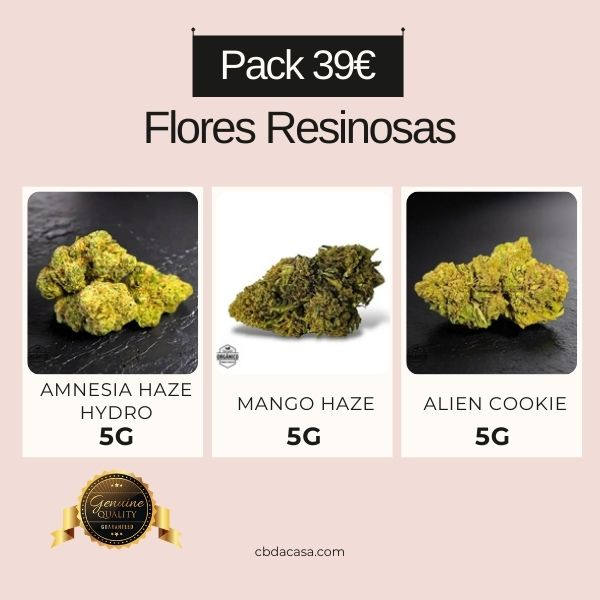
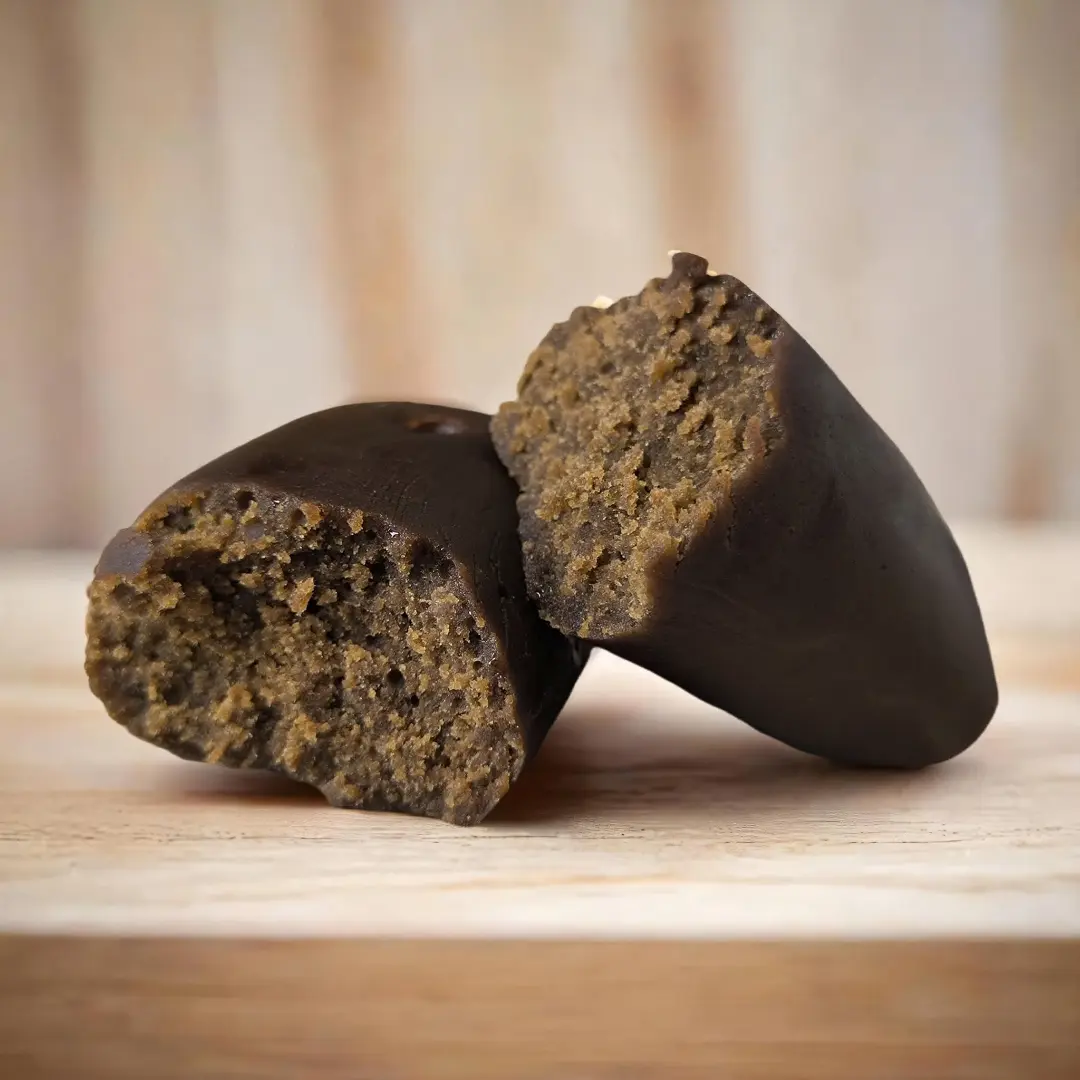
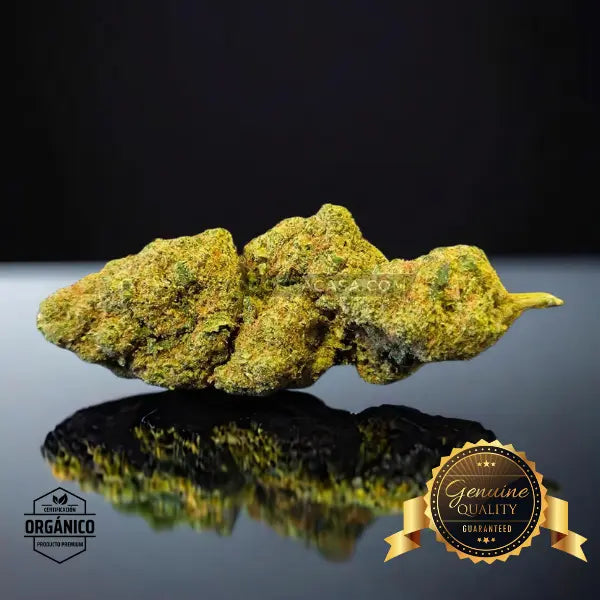
And if you want the best products in resins with CBG, flowers with CBG, oils with CBG, and even cosmetics with CBG, you'll find it all at cbdacasa.com






%20has%20been%20the%20undisputed%20star%20in%20recent%20years,%20but%20there's%20another%20emerging%20compound%20gaining%20notoriety:%20CBG%20(cannabigerol).%20Although%20both%20come%20from%20th...)