

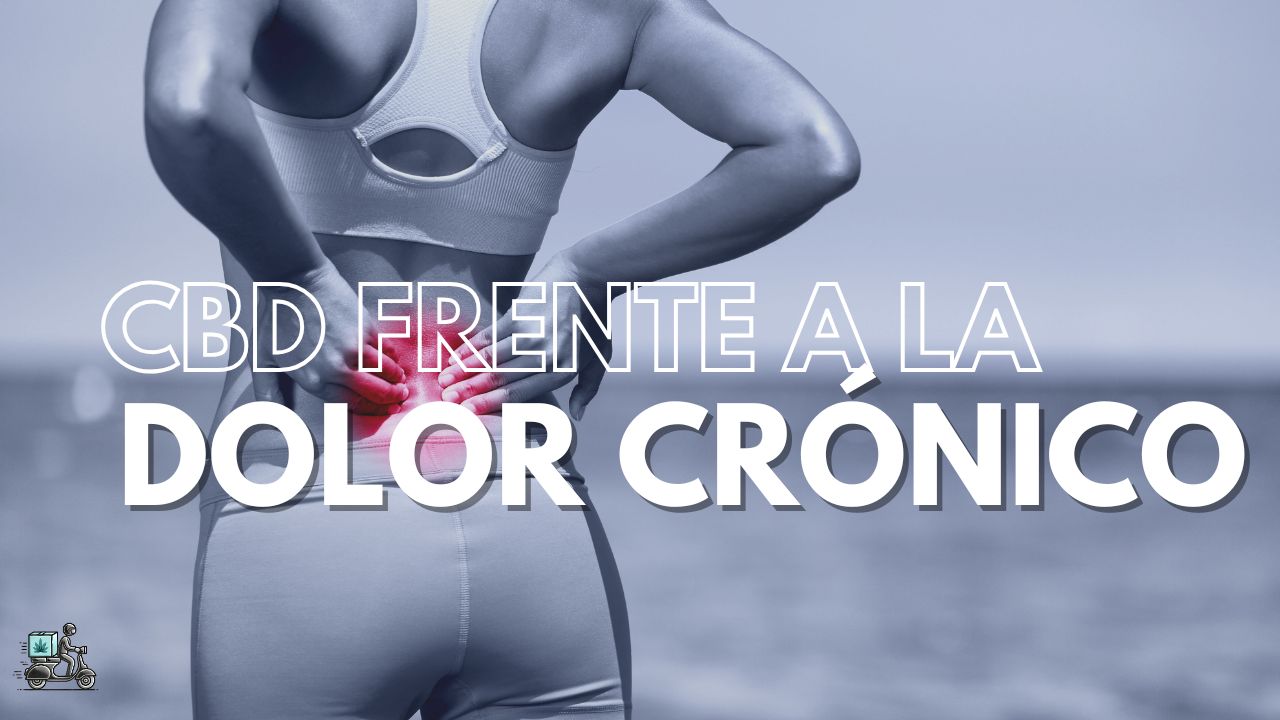
Chronic Pain: What you need to know
Use of Full-Spectrum CBD in Chronic Pain: A Detailed Analysis
This article delves into chronic pain (duration > 3 months) and the use of full-spectrum CBD in its non-medical management. It includes:
-
Mechanisms of analgesic action
-
Review of clinical evidence
-
Global usage statistics (Figure 1)
-
Administration methods and pharmacokinetics
-
Dosing protocols with distribution graph (Figure 2)
-
Safety profile and interactions
-
Practical and cultural perspectives

1. Introduction to Chronic Pain
Chronic pain affects approximately 20% of the global population, with higher prevalence in older adults and patients with inflammatory or neuropathic conditions (arthritis, fibromyalgia, neuropathies). Prolonged use of opioids and NSAIDs carries risks (tolerance, dependence, gastrointestinal effects). For this reason, supplements like full-spectrum CBD have gained interest due to their potential analgesic, anti-inflammatory properties and low side effect profile.
2. Mechanisms of CBD Action in Pain
-
Modulation of the endocannabinoid system
-
Inhibits FAAH, increasing anandamide and reducing pain signaling.
-
Activates TRPV1 receptors (pain/heat channels), contributing to peripheral analgesia.
-
-
Anti-inflammatory action
-
Inhibits pro-inflammatory cytokines (TNF-α, IL-1β) in injured tissues, reducing chronic inflammation.
-
Reduces immune cell migration to the site of damage.
-
-
Interaction with serotonergic receptors (5-HT1A)
-
Contributes to central pain modulation, reinforcing the antinociceptive circuit.
-
-
Antioxidant and neuroprotective effects
-
Decreases oxidative stress in neurons, mitigating neuroinflammation and neuropathy.
-
3. Clinical Evidence in Chronic Pain
3.1 Systematic review of mixed studies
-
Wang et al. (2022): 15 studies (n ≈ 1,200) show subjective pain reductions between 42% and 66% with CBD (isolated or combined with THC), although methodological heterogeneity dilutes definitive conclusions.
-
Smith and Jones (2023): Meta-analysis of 8 controlled trials (n = 560) found a moderate effect (Hedges’ g = –0.47) in neuropathic pain, with no significant improvements for pure inflammatory pain.
3.2 Controlled clinical trials
| Study | Type of pain | Dose | Key outcome |
|---|---|---|---|
| Russo et al. (2019) | Arthritis | 20–40 mg/day | ↓ pain on 0–10 scale: 7 → 4 in 4 weeks |
| Hammer et al. (2021) | Fibromyalgia | 50 mg/day | Improvements in pain and sleep (Fibromyalgia Impact Questionnaire) |
| Lattanzi et al. (2024) | Diabetic neuropathy | 100 mg/day | ↓ 30% in neuropathic pain vs placebo |
These studies, while promising, use variable doses and CBD:THC combinations in some cases, highlighting the need for more trials with pure full-spectrum CBD.
4. Global use: statistics and cultural differences

Figure 1 shows the percentage of CBD users who employ it to relieve chronic pain in six key countries.
-
USA: 40%
-
Canada: 35%
-
United Kingdom: 30%
-
Spain: 25%
-
France: 20%
-
Portugal: 15%
In North America, CBD is seen as a natural alternative to opioids; in Western Europe, many patients self-manage CBD doses complementary to prescribed treatments.

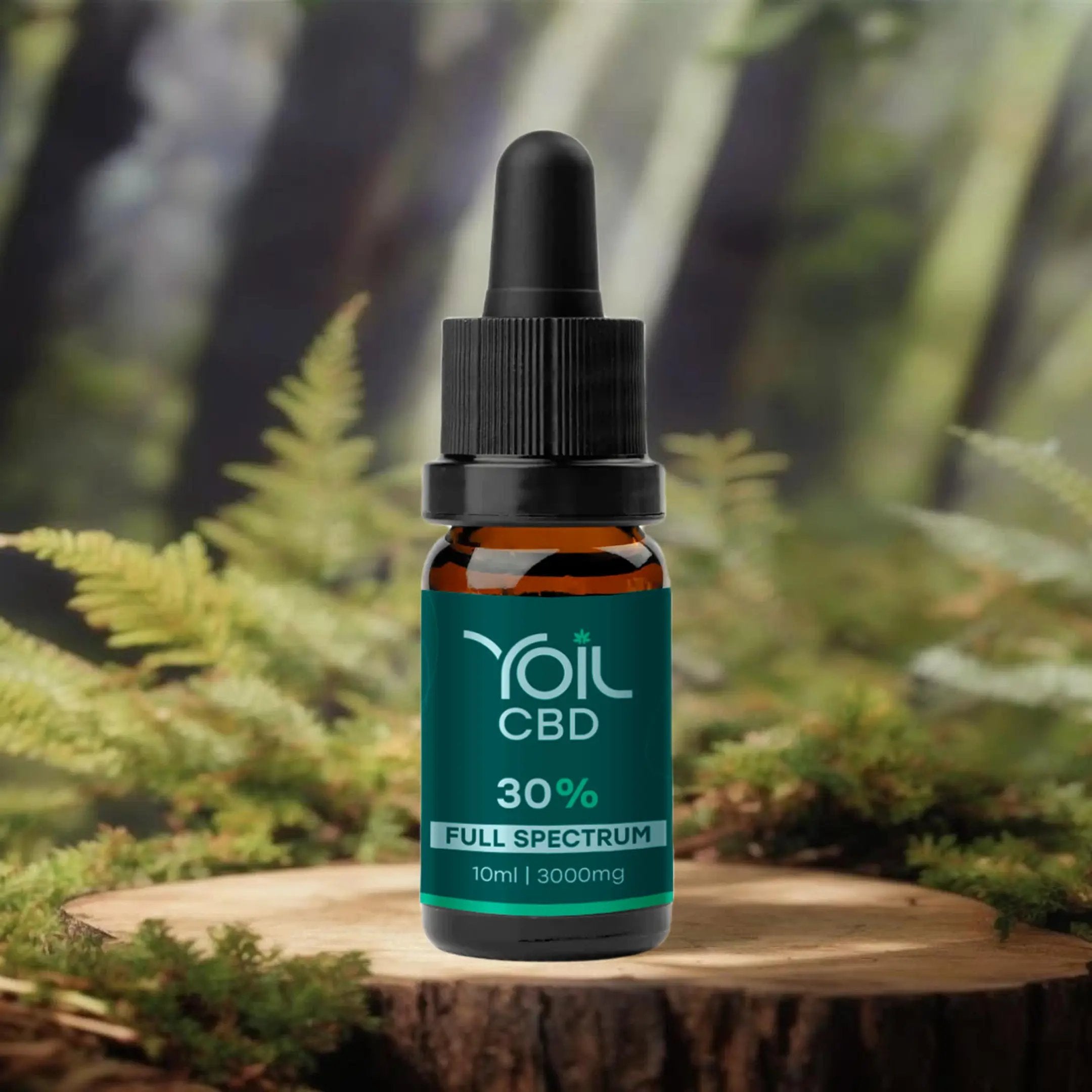
Yoil CBD, perhaps one of the purest and most natural products on the market.
5. Administration Methods and Pharmacokinetics
| Route | Onset of action | Duration | Bioavailability | Advantage |
|---|---|---|---|---|
| Sublingual (oil) | 15–30 min | 4–6 h | 12–35% | Precise dosing |
| Oral (capsules) | 45–90 min | 6–8 h | 6–19% | Discretion, convenience |
| Topical (creams) | 1–2 h | 6–12 h | Local (low systemic) | Localized effect |
| Transdermal (patches) | 2–4 h | 8–24 h | 10–20% | Extended release |
Sublingual remains the preferred route for systemic analgesia, while topical application offers local relief without systemic absorption.
6. Recommended Dosage and Titration Protocol
In chronic pain, non-medical practice reports a wide range of doses, from 20 to >100 mg/day. Based on research and surveys, we propose:
-
Initial dose: 20 mg/day (morning)
-
Gradual escalation: +10 mg every 5–7 days, based on tolerance and relief
-
Maintenance range: 40–80 mg/day divided into 2 doses
-
High doses (optional): 80–120 mg/day in cases of severe pain, under supervision

Figure 2 shows the simulated distribution of daily doses used by chronic pain consumers, evidencing three peaks: around 30 mg, 55 mg, and 85 mg daily.
7. Safety Profile and Considerations
-
Mild effects: fatigue, dry mouth, gastrointestinal disturbances.
-
Interactions: Metabolism by CYP450 (CYP3A4, CYP2C19); may increase levels of analgesics, antidepressants.
-
Monitoring: Evaluation of liver function if dose >50 mg/day for >3 months.
-
Contraindications: Liver failure, pregnancy, lactation.
The safety profile of CBD is superior to many conventional analgesics, with no risk of dependence.
8. Practical and Cultural Perspectives
-
User motivation: reduce opioid/NSAID consumption, avoid adverse effects.
-
Barriers: monthly cost (~60–120 € for 50 mg/day), quality variability, legal gaps in some countries.
-
Purchase advice: choose products with an accredited certificate of analysis, verifying purity and absence of contaminants.

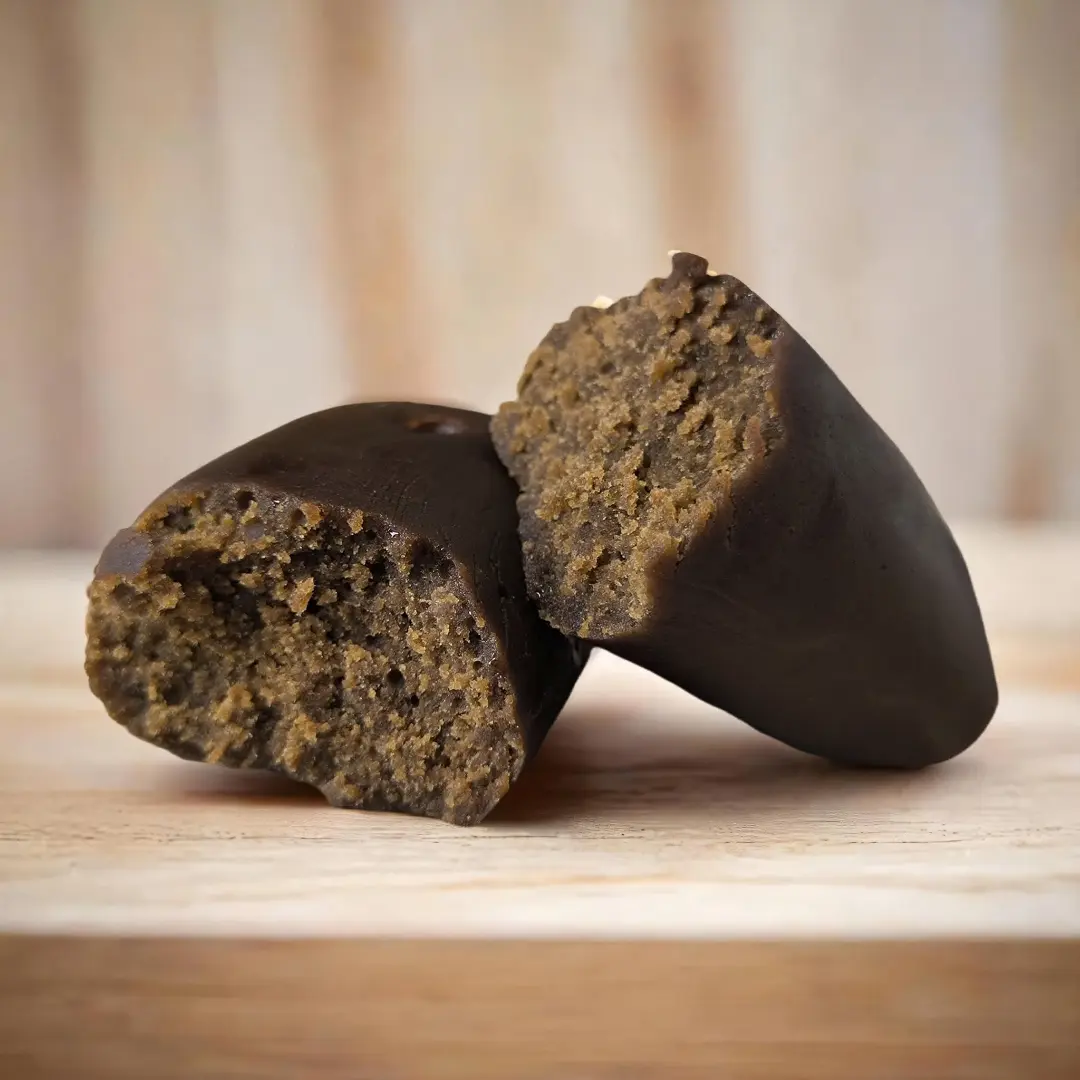
CBD Crumble is one of the purest forms with an 87% concentration, a favorite among customers with chronic pain.
9. Conclusions
Full-spectrum CBD emerges as a promising supplement in the management of chronic pain, with clear mechanisms of action and growing clinical evidence. Stepwise titration protocols (20→40–80 mg/day) allow for dose adaptation to pain severity and individual tolerance. It does not replace conventional therapies but can reduce the burden of opioids/NSAIDs and improve quality of life. More controlled trials with pure full-spectrum CBD and long-term studies are needed to define optimal guidelines. In a global context of traditional analgesic crisis, CBD offers a natural alternative with an attractive safety profile, although its adoption depends on the legal framework and quality assurance in its production.
This article synthesizes research data up to May 2025 and does not constitute medical advice. Always consult a professional before adjusting any treatment.
THANK YOU for your comments







%20and%20the%20use%20of%20full-spectrum%20CBD%20in%20its%20non-medical%20management.%20It%20inclu...)