

CBD for Pain and Stress: proven effective in reducing pain in people with arthritis with 94% effectiveness
Do you feel chronic pain or joint pain is holding you back? Is work-related stress overwhelming you and affecting your mental clarity? In the search for natural solutions for physical and mental well-being, Cannabidiol (CBD) has emerged as a key player. But what does science really say about its benefits? Is it just a fad or a true ally for your health?
In this article, we will break down the scientific evidence behind the most studied applications of CBD, from the relief of chronic pain and inflammation to the calming of stress and the improvement of mental stability. We will provide you with practical, research-based advice and help you understand how this natural compound could be integrated into your wellness routine.
What is CBD and why is it so relevant for your well-being?
Cannabidiol (CBD) is a natural compound, specifically a phytocannabinoid, found in the Cannabis sativa plant. Unlike its more well-known cousin, THC, CBD is not psychoactive, meaning it does not produce the "high" associated with marijuana. This characteristic has made it a focus of intense scientific research for its potential therapeutic properties.
Historically, cannabis has been used for medicinal purposes for thousands of years, with records dating back to 2800 BC. Today, modern science is unraveling how CBD interacts with our bodies.
CBD and Your Endocannabinoid System: A Vital Connection
CBD exerts its effects by interacting with our body's endocannabinoid system (ECS), a complex network of receptors and molecules that regulates crucial functions such as pain, sleep, mood, relaxation, neuroprotection, and immunomodulation.
In addition to its interaction with the ECS, CBD also influences other brain receptors, such as those for serotonin (key for mood and anxiety) and dopamine.4 This ability to act on multiple fronts is what gives it its broad spectrum of potential benefits, including analgesic, anti-inflammatory, antioxidant, and anxiolytic effects.2 The cannabis plant also contains terpenes and flavonoids that can enhance these effects through the "entourage effect."

Why Are People Using CBD? The Most Common Reasons
CBD's popularity is no accident. Millions of people worldwide are incorporating it into their lives, and the reasons are clear: they seek natural relief for everyday problems that affect their quality of life.
According to recent surveys, the main reasons people use CBD are:
-
Stress relief: 65.3%
-
General well-being improvement: 52.5%
-
Sleep problems: 51.7%
-
Mood improvement: 44.9%
-
Anxiety relief: 40.9%
This data reflects a clear trend toward seeking solutions that support holistic health and emotional balance.
1. CBD for Chronic and Joint Pain
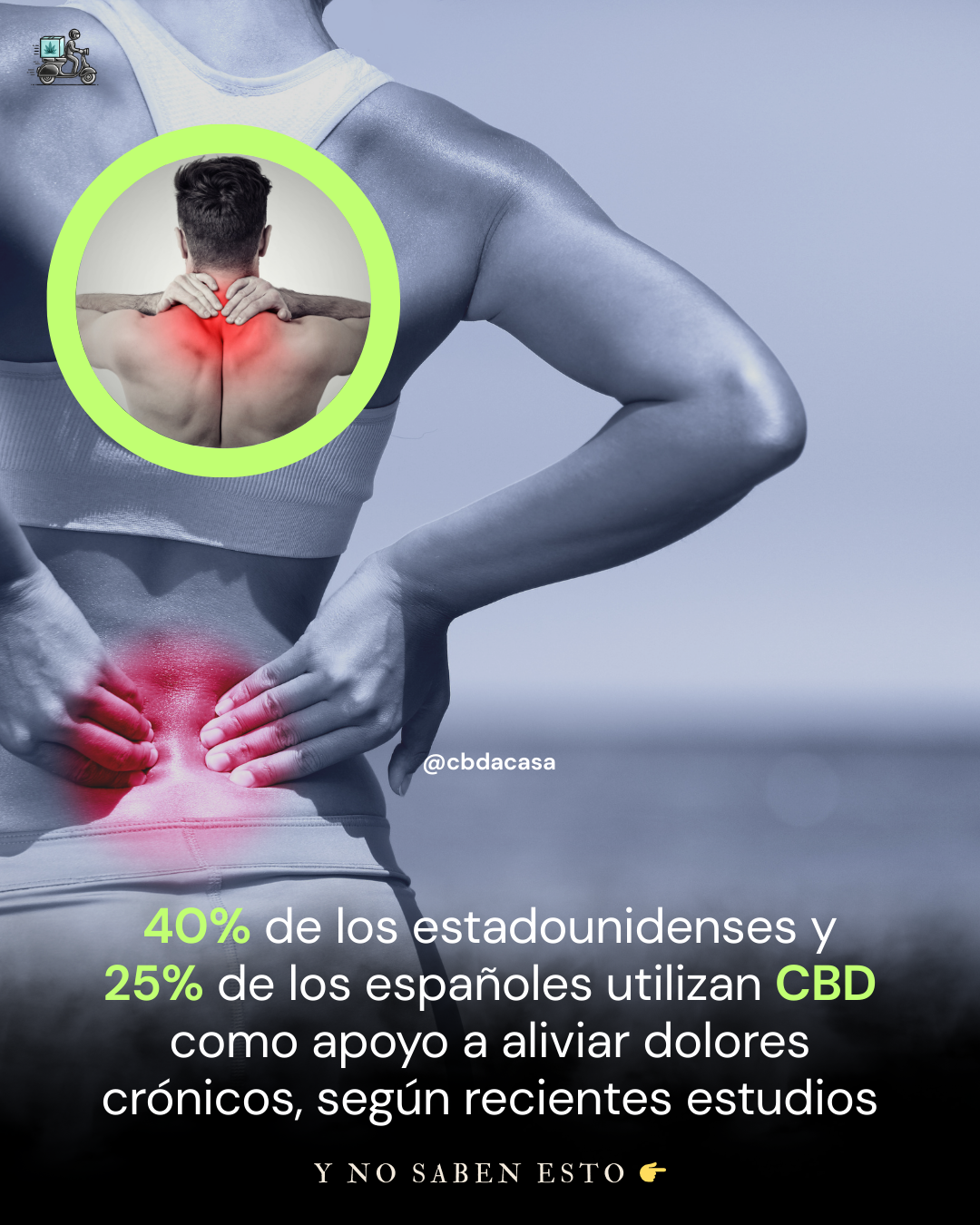
CBD has been shown to be effective in reducing pain in people with arthritis, with 94% of users reporting relief, according to the Arthritis Foundation.
Chronic pain, especially joint pain associated with conditions like arthritis, affects millions of people. CBD has garnered attention for its promising analgesic and anti-inflammatory properties.
The Scientific Evidence: Does CBD Work for Pain?
Preclinical and clinical research suggests that CBD could be an effective and safe treatment for reducing pain due to its analgesic and anti-inflammatory properties. In the context of chronic pain, cannabis-based medications have been shown to reduce pain by 30% in various conditions.8
For arthritis, a 2019 Arthritis Foundation survey revealed that an impressive 79% of arthritis patients were using, had used, or considered using CBD. Of current users, 94% used it for pain relief. In addition, they reported improvements in physical function (67%), relief from morning stiffness (more than 30%), and a significant improvement in sleep quality (71%).
Although patient perception is very positive, rigorous clinical evidence for isolated CBD in joint pain is still limited and mixed. However, higher doses of CBD (600 mg/day) have been successfully used in combination with paracetamol for osteoarthritis pain.

How to Use CBD for Joint Pain: Key Tips
Essential Medical Consultation: Before starting any CBD treatment for pain, talk to your doctor, especially if you are taking other medications or have pre-existing health conditions.
-
Start with Low Doses: It is recommended to start with 5-20 mg daily and gradually increase over several weeks, observing your body's response.
-
Gradual Titration: The ideal CBD dose varies by weight, pain intensity, and individual metabolism.6 Dividing the daily dose into several intakes can improve absorption.
-
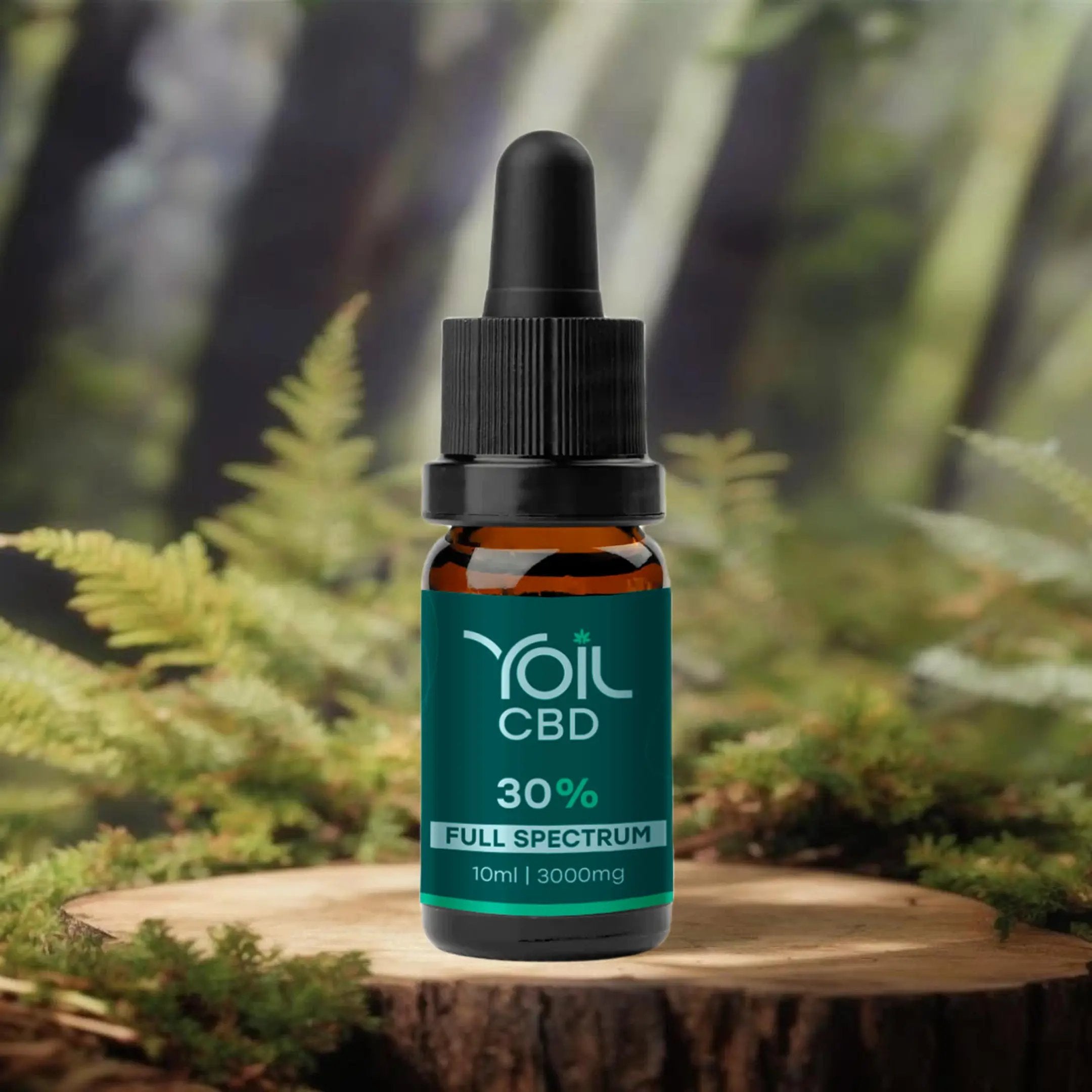
Full Spectrum Products: These can offer improved relief due to the "entourage effect," where various plant compounds work synergistically. At CBDacasa.es, you can find options such as Yoil CBD Full Spectrum natural oil | 10% CBD or Yoil CBD organic oil 30% CBD, which are ideal for general well-being and chronic pain.>
-
Topical Application: For localized pain, CBD creams or balms can be helpful if the joint is close to the surface, although their systemic absorption is limited.
Consider products like the CBD Sport MCT coconut oil spray | 20% CBD for direct application.
Table 1: Suggested Dosing for Chronic and Joint Pain
|
Specific Condition |
Dose Range (mg/day) |
Observations/Notes |
Sources |
|
General Chronic Pain |
5-20 mg (start), up to 150 mg+ |
Start low and titrate gradually. Divide daily dose into multiple intakes. Doses greater than 500 mg/day may be for severe or resistant pain. |
6 |
|
Osteoarthritis |
5-25 mg (start), up to 600 mg (with paracetamol) |
Low doses can be effective. Higher doses have been used in combination. |
10 |
|
Rheumatoid Arthritis |
200 mg BID, 400 mg BID |
Doses in ongoing clinical trials as adjuvant therapy. |
15 |
|
Neuropathic Pain |
150-500 mg (moderate doses) |
Investigated in clinical trials, with improvement when associated with THC. |
11 |
2. CBD for Stress and Anxiety: Finding Calm
Stress and anxiety are common challenges in modern life, especially in high-performance environments like work. CBD has shown promising anxiolytic effects, becoming one of the most popular reasons for its use.
The Scientific Evidence: Can CBD Calm Your Mind?
Stress relief (65.3%) and anxiety (40.9%) are the main self-reported reasons for CBD use, with almost 70% of users perceiving their products as effective. This perception is even higher in people with psychiatric disorders or who take psychotropic medication.
Animal studies have shown that CBD can reduce anxiety-like behavior in a dose-dependent manner. In humans, oral doses of 300 to 600 mg of CBD have reduced experimentally induced anxiety in healthy controls. A 2019 study indicated that CBD worked better than a placebo for adolescents with social anxiety.
CBD interacts with over 65 receptors in the brain, including those that influence serotonin levels, a key neurotransmitter for mood. The 5-HT1A receptors are fundamental to its anxiolytic effects.
How to Use CBD for Stress and Anxiety?
-
Variable Doses: CBD doses for anxiety vary in studies, from 300-600 mg for acute anxiety to 50-150 mg/day in trials on generalized anxiety.
-
Slow and Gradual Start: Begin with a low dose and gradually increase it until you find the desired effect, monitoring your individual response.
-
Mandatory Medical Consultation: Given the lack of regulation in the CBD market and potential drug interactions, consultation with a healthcare professional is essential, especially if you take other psychotropics.
-
Recommended Products: For managing stress and anxiety, CBD Oils are a popular choice due to their versatility.
You can explore the Yoil CBD Full Spectrum natural oil | 10% CBD or Yoil CBD organic oil 30% CBD to get started.

Table 2: Suggested Dosing for Stress and Anxiety
|
Type of Anxiety/Stress |
Dose Range (mg/day or single dose) |
Duration of Treatment |
Observations/Notes |
Sources |
|
Social Anxiety |
300-600 mg (single dose) |
Acute (before a stressful event) |
Reduced experimentally induced anxiety. |
18 |
|
Social Anxiety (in adolescents) |
Not specified, but effective vs. placebo |
Not specified |
Improved symptoms in adolescents. |
15 |
|
Generalized Anxiety |
50-150 mg/day |
4 weeks (titration and maintenance) |
Ongoing clinical trials for preliminary safety and efficacy. |
21 |