

Take care of your body
Recovery, Mobility, and Physical Well-being. How Cannabinoids Interact with Your Musculoskeletal System and Inflammatory Response.
The Science of Recovery
The SEC in muscles, joints, and nerves
Muscles, tendons, joints, and skin have their own functional endocannabinoid system. CB1 and CB2 receptors are present in the musculoskeletal system and in immune system cells that participate in the local inflammatory response. This places CBD at the center of research on chronic pain and post-exercise recovery.
What the research says
A systematic review in Frontiers in Pharmacology (2018) concluded there is moderate evidence for the use of cannabinoids in neuropathic pain. In sports, WADA (World Anti-Doping Agency) removed CBD from its list of prohibited substances in 2018, which has led to its adoption by professional athletes.
How to use it in your routine
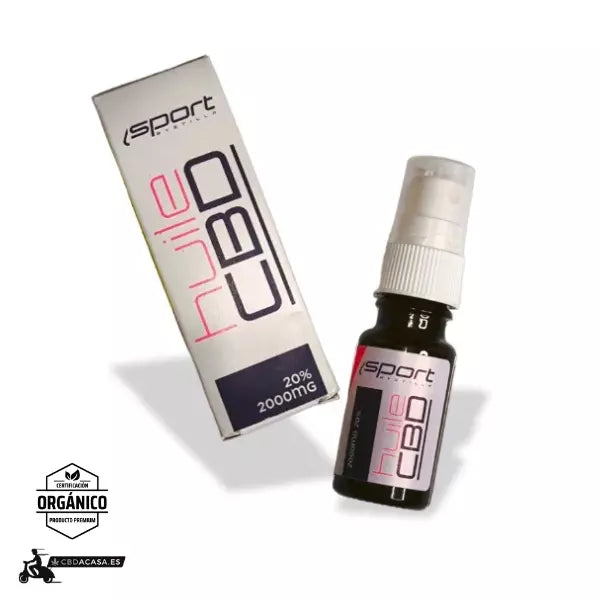
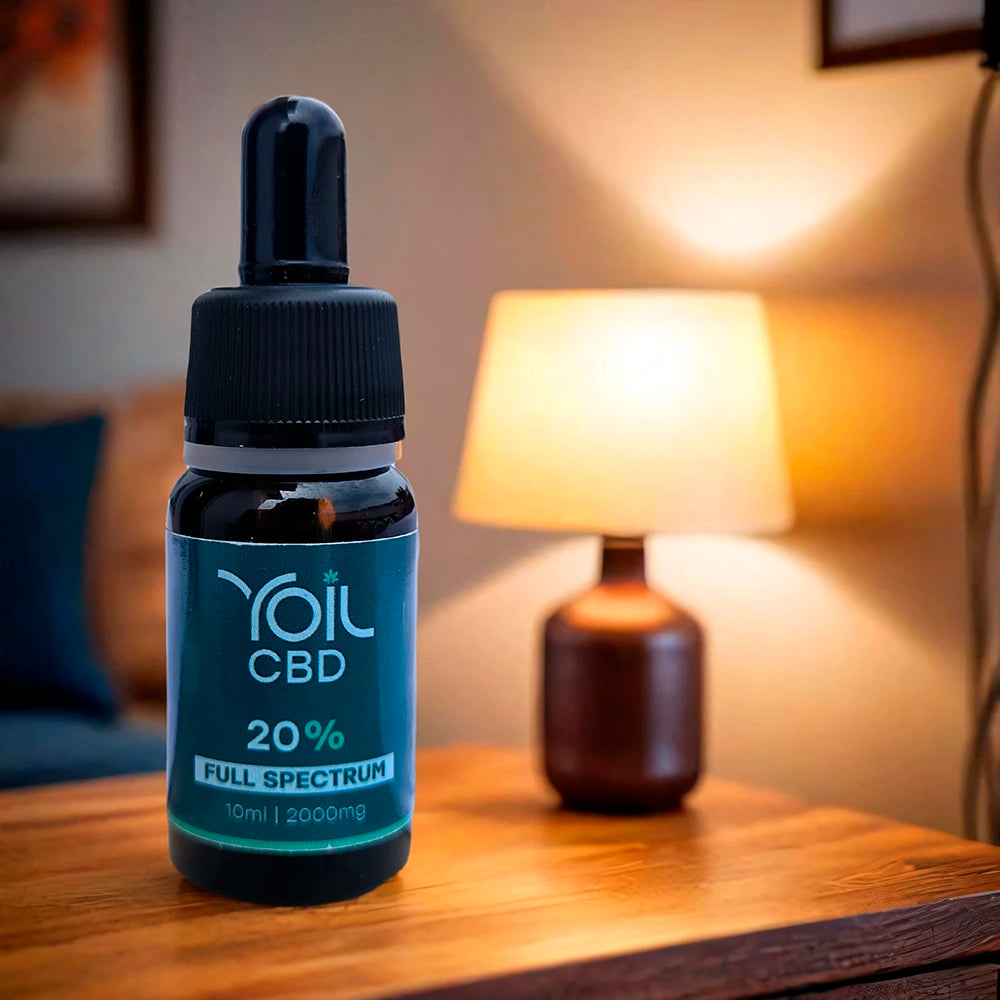
Topical formats (balms, creams) act locally through cutaneous CB2 receptors without entering the bloodstream significantly: ideal for specific areas. For systemic support, sublingual oils are more efficient. Typical concentrations: 500-1000 mg of CBD per topical container.
Notice
The information on this page is for educational and informational purposes only. It does not constitute medical advice, is not a substitute for consultation with a healthcare professional, and should not be used to diagnose, treat, cure, or prevent any disease. If you are under medical treatment, pregnant, or breastfeeding, consult your doctor before using any CBD product.
— Recommended
Take care of your body every day
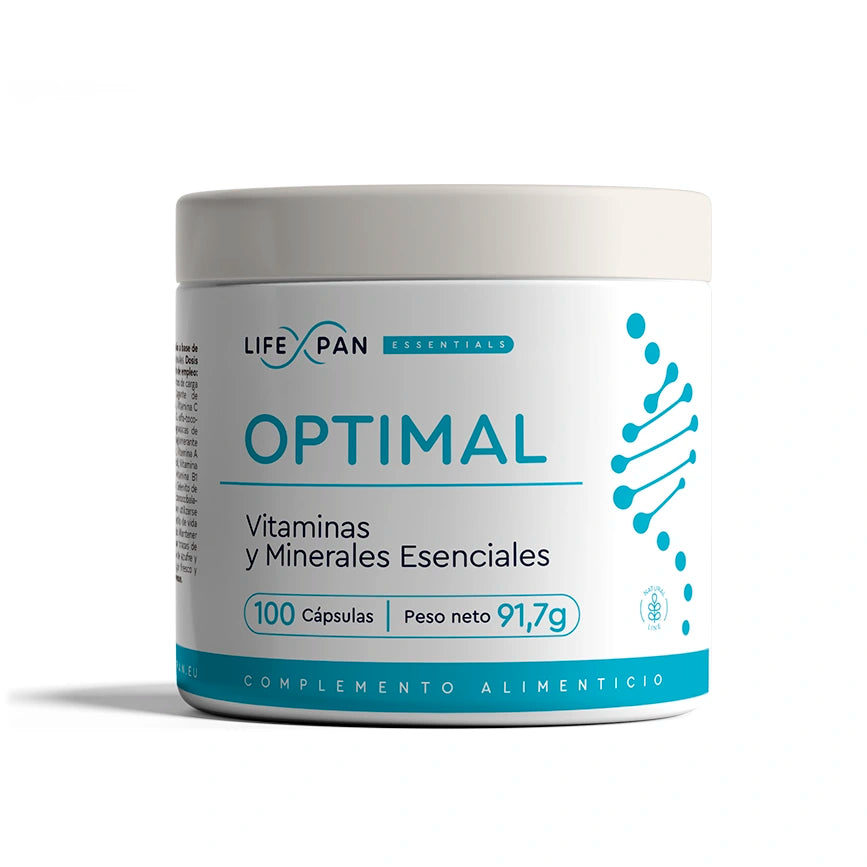
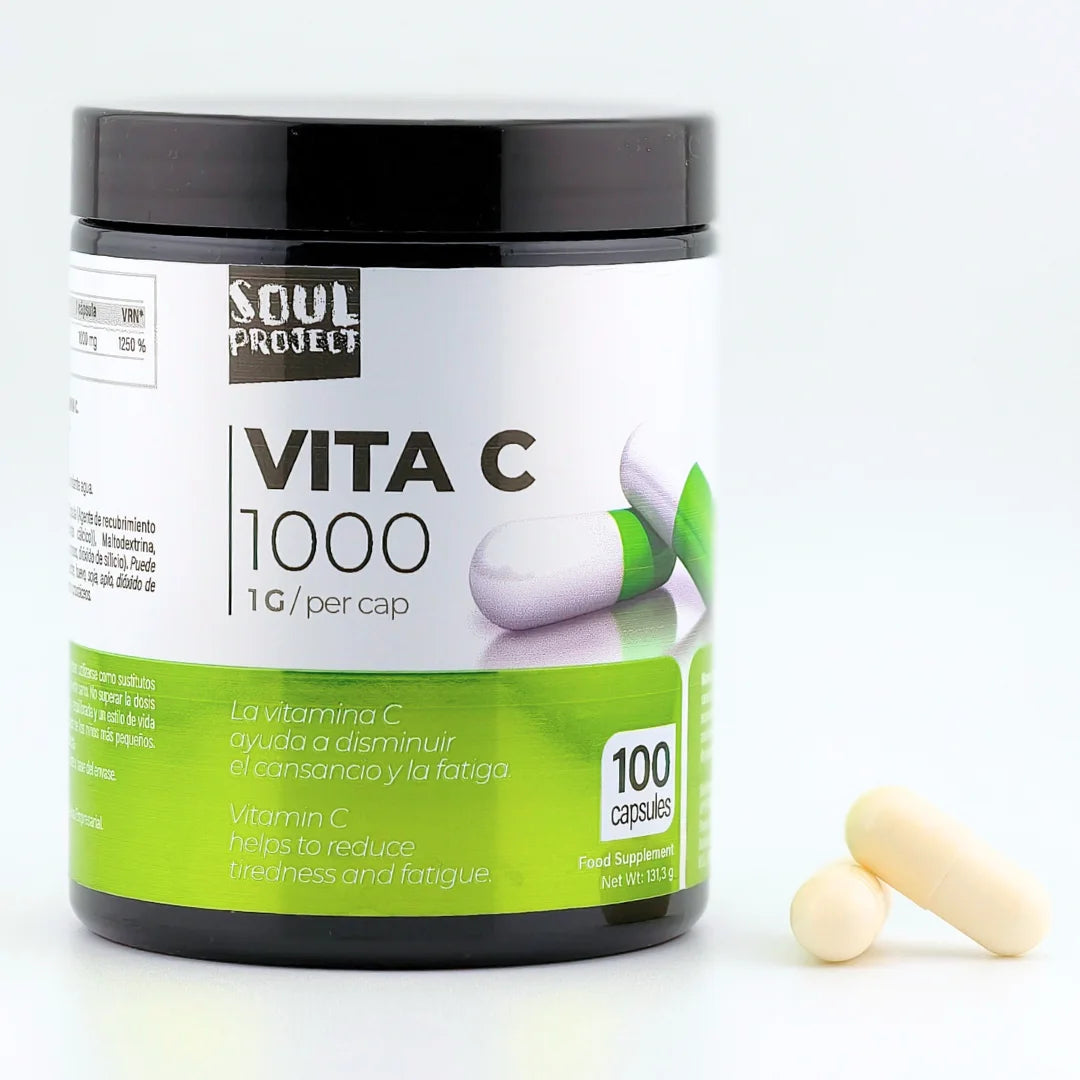
Body, pain, and recovery with CBD
Articles on chronic pain, inflammation, sports, and how CBD is being studied in these contexts.
Payment Methods