

FREQUENTLY ASKED QUESTIONS FROM OUR CBD OIL CUSTOMERS
What do you know about CBD oil?
CBD FAQs
Research on CBD oil has uncovered numerous medicinal properties, pointing towards future treatments using this cannabinoid. These studies have shown that CBD mitigates the symptoms of various disorders affecting both the body and mind.
Currently, it is highly recommended for relieving pain and inflammation and for relaxation or calming anxiety, but it is never prescribed to cure a specific pathology.
However, in Spain, CBD products sold online are classified as personal care products or cosmetic products, and this is the only authorized use.
There are many ways to extract CBD oil, each with its advantages and disadvantages, and commercial producers may use a different extraction method (typically industrial CBD extraction uses supercritical carbon dioxide) than a, shall we say, more homemade method that will surely yield a purer and cleaner oil.
There are several ways to extract CBD from hemp:
1. Solventless CBD Extraction (Manual Method)
How are CBD extracts produced without using a solvent? All you have to do is apply heat and pressure or a little friction to the hemp flowers and leaves. And how is that done, you might ask? If you freeze your flowers, you can shake them to detach the trichomes and collect them. These trichomes, as you may already know, contain the full spectrum of cannabinoids and terpenes present in the hemp plant.
2. Basic CBD Extraction with Solvents
Solvent extraction is a rudimentary and risky practice, but it has its adherents. Basically, it involves circulating a liquid solvent through decarboxylated hemp to separate the cannabinoids and terpenes. The most common solvents are butane, ethanol, and hexane, so after extraction, it will be necessary to safely evaporate any remaining solvent in order to obtain a usable CBD extract.
3. Supercritical CO₂ CBD Extraction
With this method, CO₂ is manipulated to enter a supercritical state. When it exhibits the characteristics of both a gas and a liquid, it is pumped through the raw plant material under controlled conditions to separate the essential terpenes and cannabinoids without damaging them.
4. CBD Extraction with Olive Oil
Not just extraction but manufacturing. Making CBD oil doesn't have to be a difficult process. You can make your own oil using hemp plants, whether they come from your own harvest or from the nearest store.
5. CBD Extraction with Alcohol
A common way to do it, even by yourself.
Place the decarboxylated buds (or trim) in the bowl and pour enough alcohol to fully submerge the plant material. Stir the mixture for 5–10 minutes using the wooden spoon. During this time, the alcohol will extract the desired components, such as CBD and terpenes.
Disadvantages:
Alcohol extraction also dissolves other components of the plant material, such as chlorophyll, which can have a negative effect on the taste.
CBD oil is a well-known and sought-after legal cannabis concentrate. CBD, one of many cannabinoids naturally present in hemp or cannabis plants, is an organic compound but insoluble in water at room temperature.
CBD contained in a carrier oil can be delivered in
various forms, including liquids, topical creams and even
food products in most European countries but, in Spain, its use is only permitted as a cosmetic.
Sometimes, when talking about CBD oil, you will hear the term hemp oil, which is also used to refer to hemp seed oil.
Hemp seed oil, with beneficial properties for your skin and body, is different from our CBD oils, with
potent CBD concentrations.
Generally speaking, CBD oil is a combination of several liquids such as organic oil with hemp extracts of different CBD concentrations and is not a food-grade oil, even though, in several European countries, but not yet in Spain, it is used sparingly in various cooking recipes
There are three main types of CBD oils, depending on the concentration of CBD and other cannabinoids and terpenes used in the product.
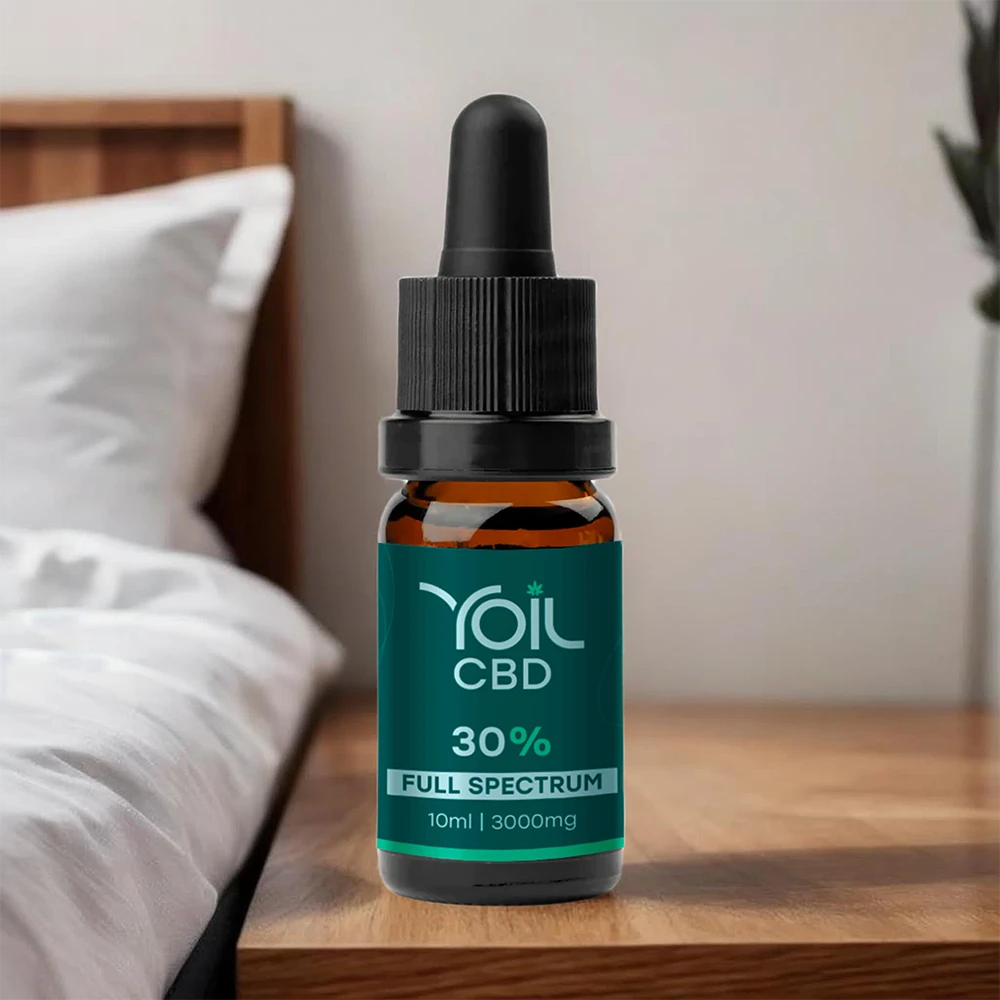
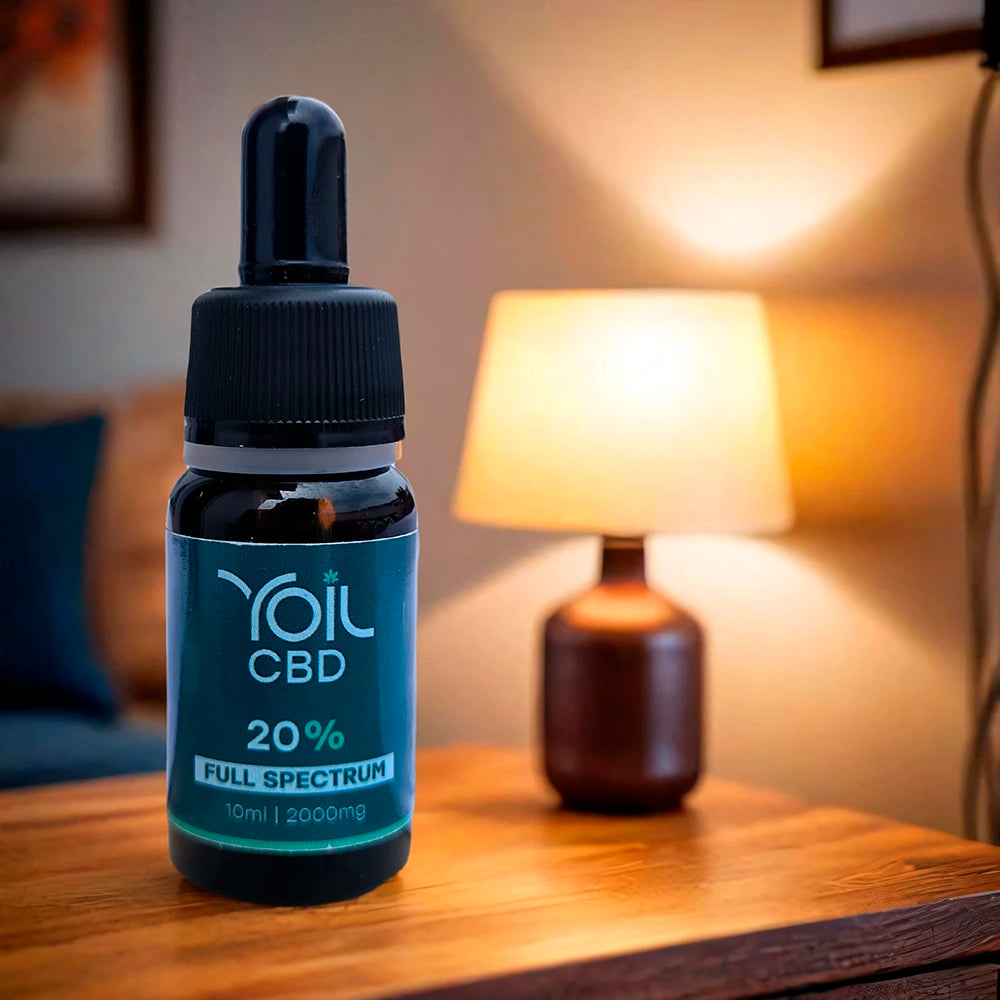
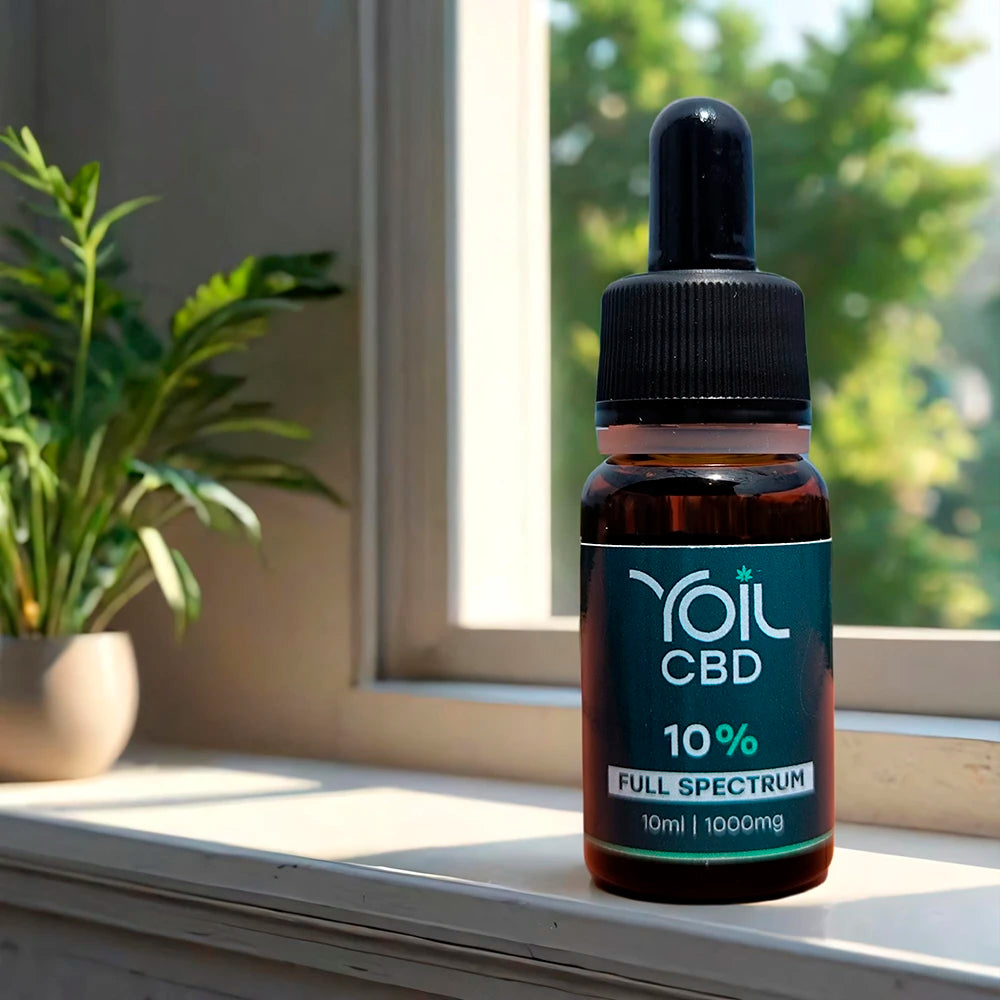
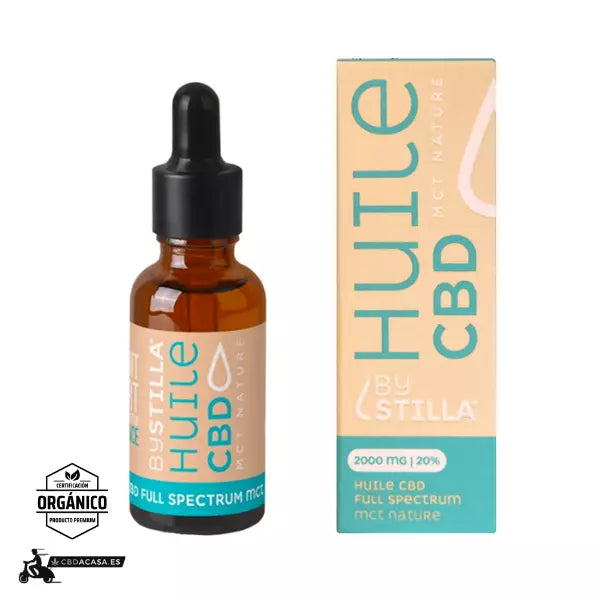
- Full-Spectrum CBD Oil: Full-spectrum CBD oil is an oil that has been extracted with all other components of the plant, meaning it contains all the natural cannabinoids and terpenes of the hemp plant. The advantage of full-spectrum CBD oil lies in the interactions of the other cannabinoids naturally present in the hemp plant with CBD or cannabidiol, which makes it more effective.
Full-spectrum tincture can be prepared from raw cannabis flower by infusing it directly into oil or alcohol (the traditional method), or full-spectrum extracts can also be used and dissolved in oil.
- CBD Isolate Oils contain only CBD combined with a carrier oil. This type of CBD oil is the easiest to prepare at home.
- Broad-Spectrum CBD Oils, on the other hand, contain a variety of cannabinoids and terpenes, in addition to THC.
Although research is limited, some CBD users report increased mental clarity and focus. This could translate into better concentration and performance in sports.
Today, there are many places where you can buy CBD oil. In your local CBD shops, which have recently opened, in some pharmacies, in cosmetic stores, and online, there are many websites that provide little information about the origin of CBD oils and their traceability. The boom in the CBD business has made this cannabinoid very attractive to merchants and entrepreneurs who see CBD as an option to
increase their turnover.
CBDacasa.es always recommends checking the origin of CBD oils, their quality, whether or not they are organic, BIO, and if they have any certification.
Since CBDacasa.es offers quality CBD oil, organic, and some BIO, and all are laboratory certified, we recommend buying CBD oil at cbdacasa.es.
Our online CBD shop probably offers the best CBD oils in Spain because we carefully select them, ensure quality, and product traceability. We also deliver them to your home, and if you are not satisfied with the product, with our satisfaction guarantee, you have 15 days to return it
Payment Methods