
Do probiotics combined with CBD relieve anxiety? Part 2
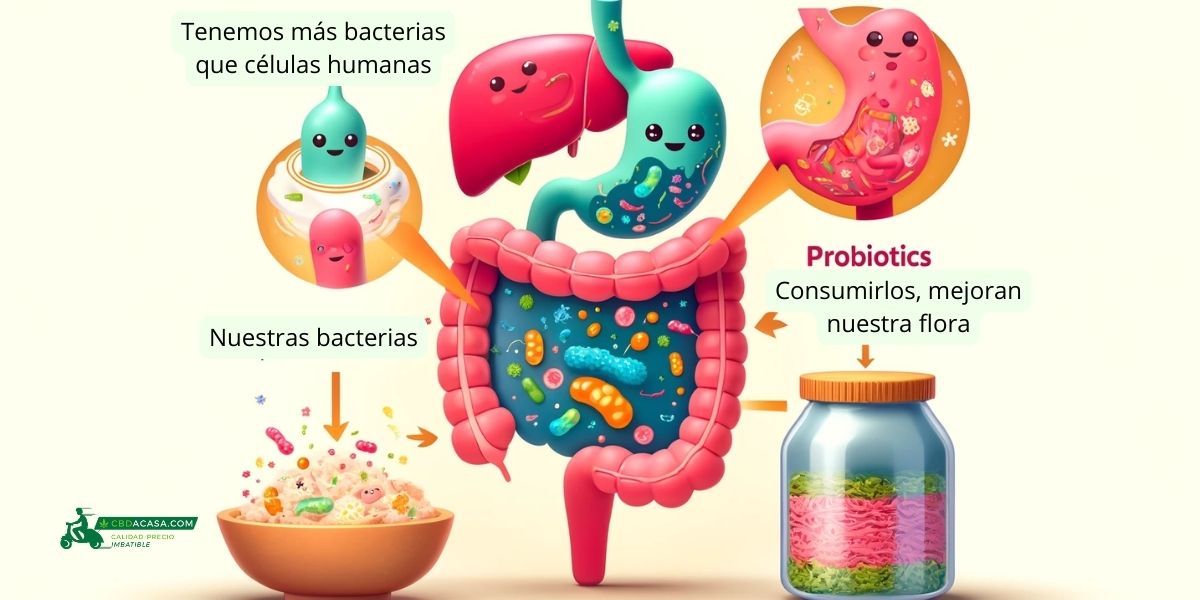
It may surprise you to learn that, according to studies, our bodies have more bacteria than human cells. This means that we need to "treat them well" if we want to stay healthy.
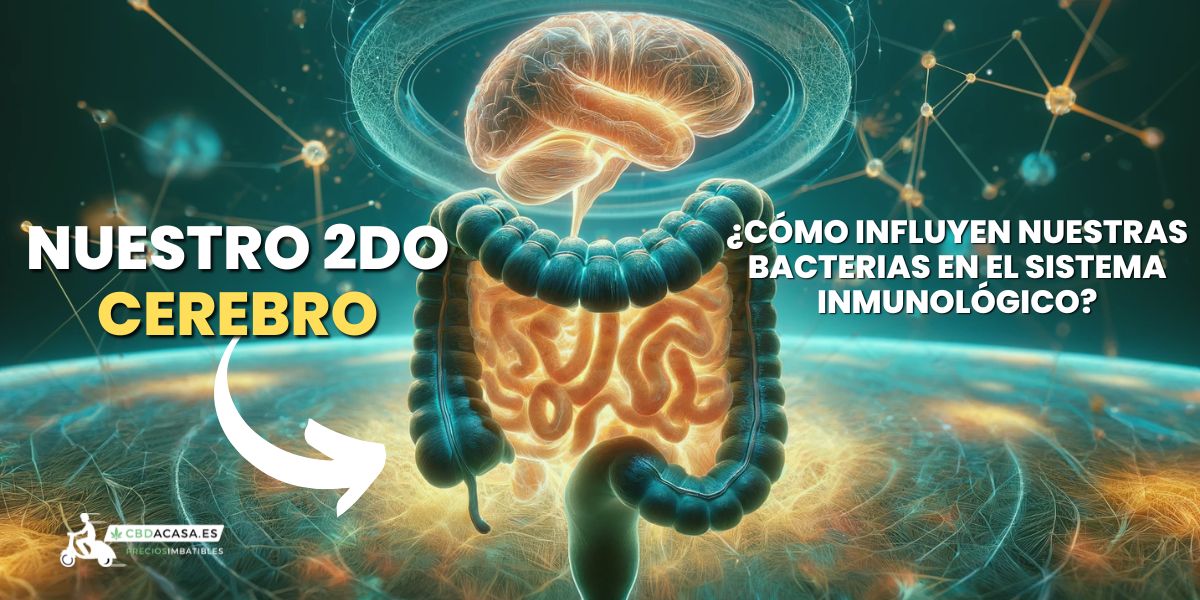
The bacteria that live in our bodies, especially those in the gastrointestinal tract, play an essential role in modulating and functioning the immune system. This set of microorganisms, collectively known as microbiota, not only helps process food and absorb nutrients but also significantly influences our immune responses.
What are probiotics?

Probiotics are live microorganisms that, when consumed in adequate amounts, offer health benefits, especially for the digestive system. There are several natural foods rich in probiotics, similar to kefir, that you can include in your diet. Here are some of them:
-
Yogurt - One of the best-known and most widely available natural probiotics. Yogurt is made by fermenting milk with beneficial bacterial cultures, mainly lactobacilli and bifidobacteria.
-
Sauerkraut - This fermented food is made with cabbage and salt. During fermentation, lactobacillus bacteria found naturally in cabbage and on the hands of those who prepare it convert sugars into lactic acid, creating a probiotic-rich environment.
-
Kimchi - Similar to sauerkraut, kimchi is a traditional Korean dish that includes fermented cabbage and other vegetables, as well as a variety of spices and condiments. It is also rich in lactobacilli.
-
Kombucha - A fermented sweet tea drink made by fermenting with a "colony" of bacteria and yeast. Kombucha contains various strains of yeast and bacteria that may have probiotic effects.
-
Fermented pickles - Pickles fermented in salt water (not vinegar) contain a good amount of lactobacilli and can be a rich source of probiotics.
-
Tempeh - A fermented soy product originating from Indonesia. In addition to its probiotic content, tempeh is rich in protein and is often used as a meat substitute.
-
Miso - A Japanese paste commonly used in soups and sauces, made from soybeans fermented with salt and a fungus called koji. Miso can contribute several strains of probiotics.
-
Natto - Another Japanese food made from fermented soybeans, known for its strong flavor and viscous texture. It contains bacillus subtilis, a beneficial bacterium.
All these foods offer different types and quantities of probiotics. Integrating a variety of them into your diet can help improve the balance of your gut microbiota, which is beneficial for digestive and general health.
Combining prebiotics, probiotics, and CBD part 2

Combining prebiotics, probiotics, and CBD to improve overall health and well-being is a growing area of interest for both consumers and researchers. Here's a more detailed look at how this combination can be beneficial and some additional aspects to consider:
Expanded Benefits
-
Improved Immune System: Prebiotics and probiotics are fundamental for maintaining a healthy immune system, as a large part of the immune system is located in the gastrointestinal tract. By improving gut health and reducing inflammation with CBD, you could be further supporting your natural defenses.
-
Mental Health and Mood: There is a well-established link between the gut and the brain, known as the gut-brain axis. Probiotics can positively influence this axis, and, along with the anxiolytic effects of CBD, can help manage stress and promote a better mood and mental health.
-
Nutrient Absorption: A healthy gut facilitates better nutrient absorption. Prebiotics and probiotics improve gut health, and reduced inflammation thanks to CBD can allow the body to more efficiently use these nutrients.
Aspects to Consider
-
Dosage and Administration: The proper dosage of probiotics, prebiotics, and CBD can vary widely among individuals. Consider starting with low doses and adjusting based on your body's response and the recommendations of a healthcare professional.
-
Duration of Use: The benefits of probiotics and prebiotics often require continuous use to maintain gut health. In contrast, CBD can be used as needed or also as part of a regular regimen, depending on your specific goals (such as pain management or anxiety).
-
Long-Term Effects: While prebiotic and probiotic consumption is generally considered safe long-term, CBD is still under investigation to determine its long-term effects. Although it is well-tolerated by most people, it is important to monitor any side effects or changes in health.
Professional Consultation
Given that the combination of these products can significantly affect various areas of health, it is advisable to discuss your plans with a healthcare professional. This is especially important if you have pre-existing medical conditions or are pregnant or breastfeeding. A doctor can also offer guidance on quality products and reliable sources, ensuring you get the maximum benefit from your supplement regimen.
Research and Education
Continue to inform yourself and follow current research on these topics. The science of probiotics, prebiotics, and CBD is dynamic and rapidly evolving, with new studies and data emerging regularly that can adjust best practices and recommendations.
In summary, combining prebiotics, probiotics, and CBD has the potential to offer synergistic health benefits, but as with any health regimen, personalization based on individual needs and health conditions is key to achieving the best results.
What CBD should we consume?

In short, one that gives you confidence and is organic CBD like all the ones we have in our store. It is important to select the correct type of CBD and use it appropriately to support this "inner ecosystem." Here are some considerations on how to choose and consume CBD for benefits related to the digestive system and microbiota:
1. Choosing the Right Type of CBD Product
-
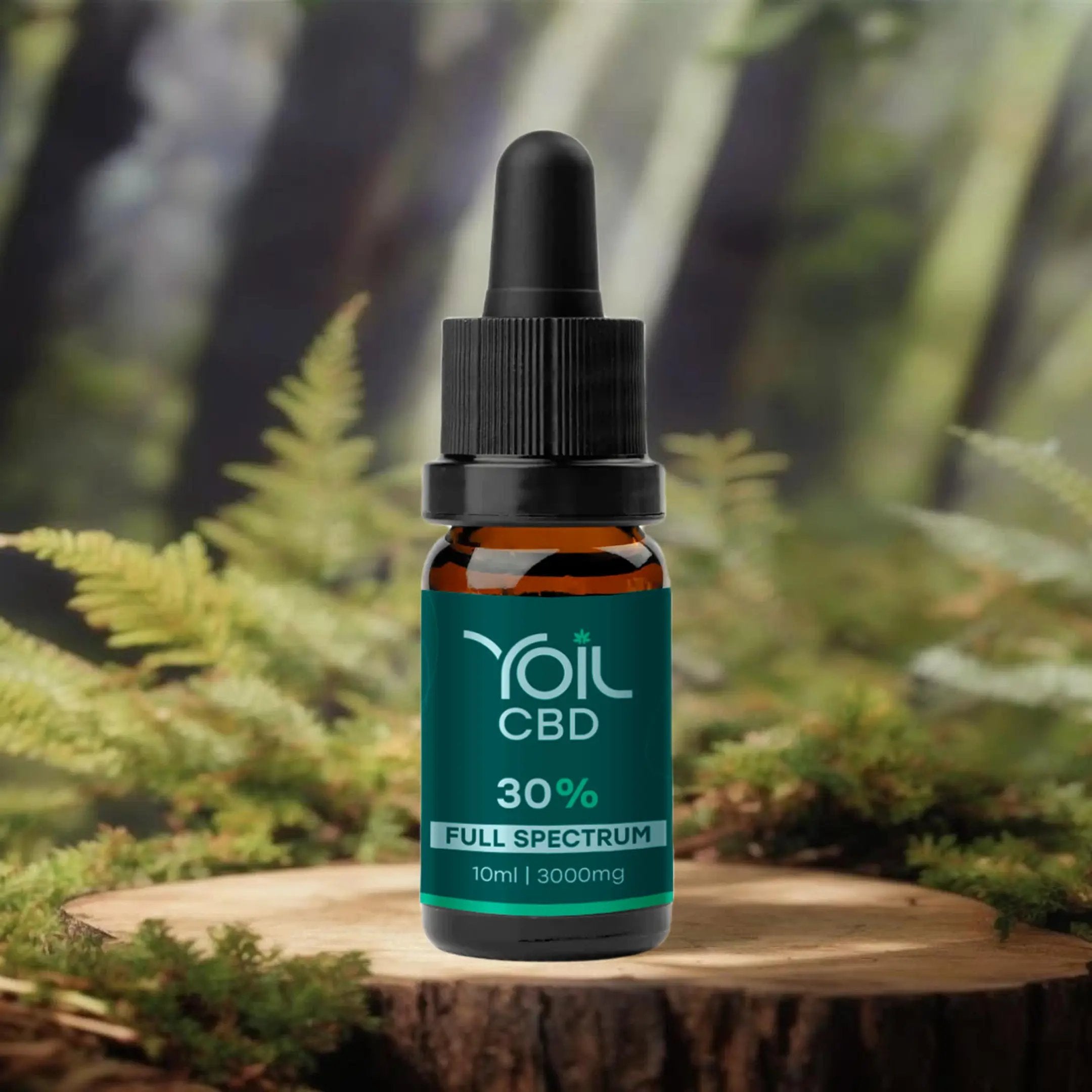
Full Spectrum vs. Isolate: Full-spectrum CBD contains CBD along with other cannabinoids, terpenes, and compounds present in the cannabis plant, which can provide what is known as the "entourage effect," potentially increasing its effectiveness due to the synergy between components. This can be more beneficial for gut health compared to CBD isolate, which contains only cannabidiol.
-
Certification and Analysis: Make sure that the CBD product you choose has been tested by independent laboratories and has certificates of analysis that confirm its potency and purity. This is crucial to ensure that the product is free of pesticides, heavy metals, and other contaminants that could be harmful to the gut microbiota.
For more information, here we show you the difference in CBD with and without THC like the one sold on Amazon.
2. Methods of Consumption
-
Tinctures and Oils: CBD tinctures can be administered sublingually and have rapid absorption. Some studies suggest that CBD oils can help calm the digestive system and reduce inflammation.
-
Capsules and Pills: CBD capsules offer a measured dose and are convenient. In addition, capsules may be better for those with intestinal problems, as they can be designed to release the compound in specific areas of the gastrointestinal tract.
You have to take into account that not all CBDs are the same, IS THE CBD YOU CAN BUY ON AMAZON THAT IS 0% THC USEFUL?
3. Dosage
- The appropriate CBD dosage can vary significantly among individuals, depending on factors such as body weight, health condition, and personal tolerance. It is important to start with a low dose and adjust as needed, ideally under the guidance of a healthcare professional.
4. Consult a Healthcare Professional
- Given that CBD can interact with other medications and has different effects on each person, it is crucial to consult a doctor before starting to use it, especially if you are taking other medications or have pre-existing health conditions.
5. Monitor the Effects
- Observe how your body responds to CBD, especially in terms of digestive health and general well-being. Adjust the dose or method of consumption as needed, based on your observations and the advice of healthcare professionals.
CBD can be a useful tool to support gut health and microbiota balance, but it is only one part of a broader approach to maintaining gastrointestinal health. A fiber-rich diet, adequate hydration, and stress management are also essential for maintaining a healthy gut ecosystem.
Before you go...
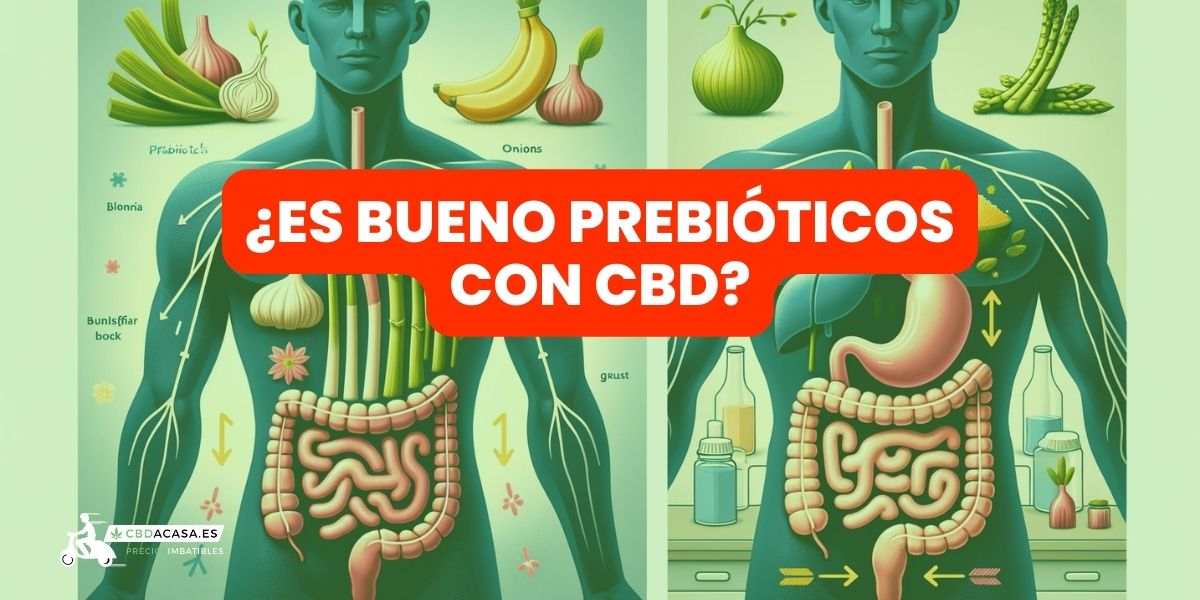
You can't miss the prebiotic articles which is the first part and also when we talk about the second brain and the immune system.