


Scientific Evidence: CBD and Magnesium for Pain Relief, a Perfect Synergy?
Managing chronic pain is a medical challenge that has driven the search for safer and more effective complementary therapies. In recent years, cannabidiol (CBD) – a non-psychoactive compound derived from cannabis – and magnesium – an essential mineral – have gained attention for their potential analgesic properties. Preclinical and clinical studies suggest that both can influence pain pathways by reducing nociceptive sensitivity and inflammation, with minimal adverse effects. Here, we explore the mechanisms of action of each, the available scientific evidence on their efficacy in pain relief, and whether the combination of CBD and magnesium could potentiate their analgesic effects.
Mechanisms of action of CBD in pain modulation

CBD primarily acts by modulating the endocannabinoid system, a physiological system involved in regulating pain and inflammation. Unlike tetrahydrocannabinol (THC), CBD is non-psychoactive and has low direct affinity for cannabinoid receptors CB₁ (in the central nervous system) and CB₂ (in peripheral immune cells). Instead of directly activating these receptors, CBD functions as a negative allosteric modulator of CB₁, attenuating excessive activation by other ligands. This means it can partially antagonize the effects of THC and anandamide (AEA, an endogenous endocannabinoid), reducing CB₁ receptor overstimulation. Additionally, CBD inhibits the reuptake and degradation of endocannabinoids: it slows the elimination of AEA by blocking its transporter and weakly blocks the FAAH enzyme that degrades it, thereby increasing the levels of our natural internal analgesics.
Beyond the endocannabinoid system, CBD interacts with multiple targets relevant to pain transmission. For example, it activates or modulates ion channels and non-cannabinoid receptors such as TRPV1 (vanilloid receptor involved in pain and temperature detection), TRPA1, TRPM8, serotonin 5-HT₁A receptors, and glycine receptors in the spinal cord. These interactions contribute to its analgesic, anxiolytic, and anti-inflammatory effects. In particular, TRPV1 activation by CBD can desensitize pain pathways (similar to capsaicin); consistently, in an animal model of arthritis, a TRPV1 antagonist blocked a large part of CBD's analgesic effect, demonstrating the importance of this mechanism in pain modulation by cannabidiol. In summary, CBD acts on pain indirectly and multimodally: it enhances endogenous endocannabinoid tone and regulates various receptors and channels involved in nociception.
Mechanisms of action of magnesium in muscle relaxation and pain

Magnesium fulfills numerous biological functions, notably its role in neuromuscular transmission and muscle contraction/relaxation. Under normal conditions, magnesium competes with calcium in nerve and muscle cells, modulating neurotransmitter release and muscle excitability. From a pain perspective, its most studied mechanism is the antagonism of NMDA receptors (N-methyl-D-aspartate) in the central nervous system. NMDA receptors, activated by the neurotransmitter glutamate, are crucial in amplifying pain signals and in central sensitization (increased response of pain neurons after repetitive stimulation). Magnesium acts as a natural voltage-dependent NMDA channel blocker: it prevents excessive calcium influx into the neuron, which would otherwise trigger cascades of hyperexcitability and pain sensitization. In this way, magnesium helps to prevent central sensitization and hyperalgesia (exaggerated response to pain), attenuating the development of chronic pain after injuries or peripheral inflammation.
In addition to its central action, magnesium contributes to muscle relaxation and normal neuromuscular function. By opposing calcium at motor nerve endings, magnesium reduces acetylcholine release and excessive contraction of muscle fibers. Adequate magnesium levels promote muscle relaxation, while its deficiency can manifest as spasms or cramps. In fact, administering high doses of magnesium has an effect similar to medical muscle relaxants: in clinical contexts, intravenous magnesium potentiates the effects of neuromuscular blocking drugs and can cause muscle weakness by inhibiting calcium entry into muscle cells. This pharmacological effect reinforces the idea that magnesium reduces neuromuscular excitation. In summary, magnesium exerts an indirect analgesic effect by decreasing the release of excitatory neurotransmitters (by blocking NMDA and calcium channels) and promoting the relaxation of skeletal muscles, which contributes to relieving pain associated with spasms or muscle tension.
Scientific evidence of CBD in pain relief

Research on CBD and pain has progressed rapidly in the last decade. Preclinical studies in animals consistently demonstrate analgesic properties of CBD in various models of neuropathic and inflammatory pain. For example, in a murine model of sciatic nerve injury neuropathy, orally administered CBD significantly reduced allodynia (pain to normally non-painful stimuli) for at least 3 weeks post-injury. A notable finding was that, unlike morphine, CBD maintained its analgesic efficacy without developing tolerance over time. In rats with induced osteoarthritis, local (intra-articular) application of CBD decreased the activation of sensory fibers in the damaged joint, raised the pain threshold, and even improved weight-bearing on the affected limb. In the same study, CBD reduced inflammation markers in the joint, such as leukocyte adhesion, supporting its local anti-inflammatory effect. Additionally, studies in models of rheumatoid arthritis and other inflammatory pains show that CBD attenuates the release of pro-inflammatory cytokines (e.g., TNF-α) and oxidative mediators in injured tissues. CBD has also been investigated in animals with spontaneous chronic pain: in dogs with osteoarthritis, CBD treatment improved mobility and reduced pain without apparent side effects. All these preclinical findings support the potential of CBD to treat both neuropathic pain (due to nerve damage) and inflammatory and osteoarthritic pain.
Regarding clinical evidence in humans, it is still limited but growing. Various small trials and reports suggest benefits of CBD in difficult-to-treat pain. For example, in patients with refractory oncological or neuropathic pain, an oromucosal spray combining THC:CBD (nabiximols) has been used with positive results in pain and spasticity relief, leading to its approval in conditions such as multiple sclerosis. However, isolating the effect of pure CBD is complex, as many clinical studies involve combinations with THC or other cannabinoids. To date, controlled trials of CBD as analgesic monotherapy are scarce. A review noted that, although CBD alone has not been extensively evaluated in chronic pain, its known anti-inflammatory, antispasmodic properties and good safety profile suggest it could be an effective and safe analgesic. In fact, most preliminary studies in chronic pain show promising results in pain reduction and improved quality of life, although many do not reach robust statistical significance. For example, patients with peripheral neuropathic pain treated with topical CBD have reported a decrease in pain intensity compared to placebo, and studies on chronic lower back pain are underway.
Recently, a systematic review (2018-2022) that analyzed 12 clinical studies on CBD concluded that there are indications of CBD's benefit not only for chronic pain but also for improving sleep and other aspects in these patients. The authors emphasize that CBD, lacking intoxicating effects, could be an attractive alternative to opioids in refractory chronic pain. However, they also warn that clinical evidence is still insufficient and larger, longer-term trials are needed to confirm its efficacy and guide optimal dosages. In summary, the clinical landscape of CBD in pain relief is positive but preliminary: its safety and favorable initial results position it as a potential complementary treatment, awaiting further support from high-quality clinical research.
Scientific evidence of magnesium in pain relief

The use of magnesium for pain management has been explored in numerous conditions, especially in acute postoperative pain and certain chronic pain syndromes. In the perioperative setting (postoperative pain), dozens of clinical trials have evaluated whether intravenous magnesium administration can improve pain control. The results, as a whole, suggest that magnesium acts as a moderate analgesic adjuvant. For example, a meta-analysis of 13 studies (with 694 surgical patients) found that administering a magnesium bolus (30–50 mg/kg) followed by continuous infusion during surgery significantly reduced postoperative opioid consumption required by patients, without relevant adverse effects on hemodynamic stability. Consistently, multiple trials report that patients receiving magnesium during procedures such as hysterectomies, spinal surgeries, or thyroid surgeries have lower opioid analgesic needs in the subsequent hours, compared to placebo groups. These data support the benefit of magnesium for potentiating standard analgesia and preventing the exacerbation of acute pain (e.g., by decreasing postoperative hyperalgesia induced by certain opioids). However, not all studies show statistically significant differences in pain scales, likely due to variations in dosages used, type of surgery, and concomitant use of other analgesics. Even so, the general profile suggests that IV magnesium is a safe and, in many cases, effective intervention to improve patient comfort after surgery.
In chronic pain, the clinical evidence for magnesium is more heterogeneous but indicates certain benefits, especially when there is an underlying deficiency of this mineral. A comprehensive review published in 2021 compiled 81 randomized clinical trials (with a total of 5,447 patients) that investigated magnesium treatments in various pain conditions: 50 studies in postoperative pain, 18 in migraine, 5 in renal pain (colic), 6 in chronic/neuropathic pain, and 2 in fibromyalgia. Overall, the findings suggest that the analgesic efficacy of magnesium is modest in most situations, though real. In other words, magnesium alone rarely eliminates pain, but it can contribute to significant reductions in pain intensity or in the amount of conventional analgesics needed. For example, in migraine, several clinical trials and reviews have attributed a preventive effect to magnesium: its regular administration decreases the frequency of migraine attacks and their severity, with evidence classified as grade C (possibly effective) according to evidence-based medicine criteria. In fact, intravenous magnesium is part of the acute treatment of migraine in emergencies, relieving headaches in selected patients. Likewise, in refractory neuropathic pain (such as postherpetic neuralgia, diabetic neuropathy, or chemotherapy-induced neuropathy), improvements have been documented with magnesium sulfate infusions, with patients reporting reduced intensity of burning pain and dysesthesias. Even in diffuse chronic pain conditions such as fibromyalgia, although the evidence is preliminary, some studies indicate that correcting a possible magnesium deficit could help alleviate generalized pain and fatigue symptoms in certain patients.

It is important to note that the safety and low cost of magnesium make it worth considering as an adjunctive therapy. Adverse events associated with supplementary doses (oral) are usually limited to gastrointestinal discomfort (e.g., diarrhea). In hospital settings, intravenous magnesium is well tolerated with adequate monitoring, with caution advised in patients with renal insufficiency. The 2021 review mentioned identified some gaps in the literature, especially the scarcity of studies in certain chronic pains and variability in methodologies. Nevertheless, it concludes that magnesium has a modest but significant place in pain management, particularly as a complement to reduce doses of other analgesics and improve the quality of life of chronic pain patients when their serum levels are optimized.
Comparison of effects and possible synergy between CBD and magnesium
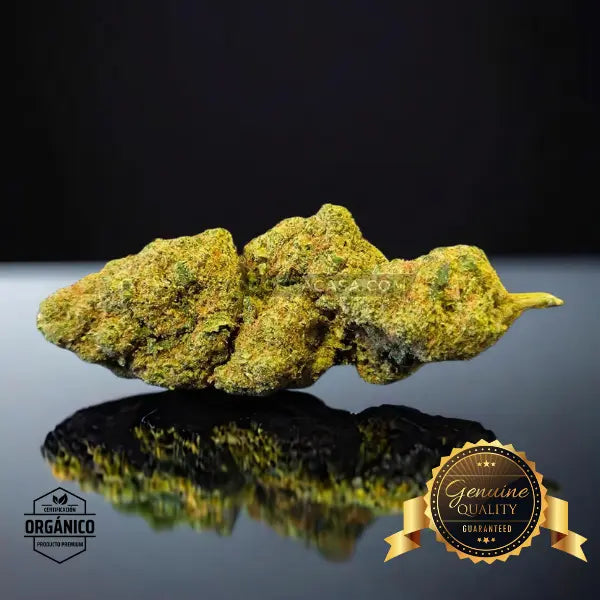
Yoil CBD 30% - Organic and natural
Both CBD and magnesium share the characteristic of being pain-modulating agents with favorable safety profiles, but their mechanisms of action are distinct and potentially complementary. The CBD primarily operates at the level of chemical pain signaling: it modulates neuronal receptors (ECS, TRPV1, 5-HT₁A, etc.), reduces the release of pronociceptive neurotransmitters, and exerts an anti-inflammatory effect in injured tissues. This translates into better control of neuropathic pain (due to nerve damage or dysfunction) and inflammatory pain (due to tissue injuries, arthritis, etc.), as suggested by the reviewed studies. Additionally, CBD has anxiolytic and relaxing effects that can help with emotional or tension components of chronic pain. For its part, magnesium acts by optimizing the physiological environment so that painful stimuli are not amplified: it decreases neuronal hyperexcitability (via NMDA blockade) and promotes muscle relaxation, which is especially useful in musculoskeletal pain, spasms, and tension-type or migraine headaches. In conditions such as chronic lower back pain, where neuropathic components and significant muscle contractures coexist, it can be anticipated that CBD and magnesium address different aspects of the problem.
Due to this differentiation of actions, it has been proposed that the combination of CBD and magnesium could have an additive or synergistic analgesic effect. In theory, both supplements would complement each other: the muscle relaxing properties of magnesium would be an excellent complement to the anti-inflammatory and pain-modulating effects of CBD . In fact, some experts suggest that this duo would be particularly beneficial in conditions of chronic pain with muscle spasms, such as fibromyalgia, myofascial pain, or chronic low back pain, as CBD could alleviate the hyperactivity of central pain pathways while magnesium relieves peripheral tension in the muscles . Both agents lack significant toxicity at usual doses and do not share conflicting metabolic pathways, so their joint use is considered safe in principle. To date, there are no formal clinical trials evaluating the combination of CBD + magnesium in the treatment of pain, so this potential synergy is based on an understanding of their individual mechanisms and anecdotal reports. However, the idea of a multimodal strategy is consistent with modern trends in pain management: addressing multiple physiological targets often achieves more complete relief. Just as CBD has been observed to enhance the analgesic effect of other compounds (for example, improving the efficacy of medicinal cannabis preparations with THC by mitigating their adverse effects and increasing analgesia ), it is reasonable to think that an adequate magnesium supplement could enhance the response to CBD in pain patients. In any case, additional research will be needed to determine the actual efficacy of this combination and whether optimizing magnesium levels in the body could improve the therapeutic outcomes of CBD in pain control.
Table 1. Summary comparison between CBD and magnesium in the context of pain relief, highlighting their mechanisms, applications, and scientific evidence.
|
Aspect |
CBD (Cannabidiol) |
Magnesium (Mg) |
|---|---|---|
|
Mechanism of action |
Modulates the endocannabinoid system (increases endocannabinoids like anandamide) and other pain receptors. Low affinity for CB₁/CB₂ (indirect modulation) . Activates TRPV1/TRPA1 channels and 5-HT₁A receptors, inhibits the release of excitatory neurotransmitters and peripheral inflammation . |
Physiological antagonist of the glutamate NMDA receptor (blocks Ca²⁺ entry) , reducing neuronal excitability and central sensitization to pain. Promotes muscle relaxation by competing with Ca²⁺ at the neuromuscular junction (less acetylcholine release) . Result: decreased pain signal transmission and relief of muscle spasms. |
|
Target pain types |
Neuropathic pain (diabetic neuropathies, postherpetic neuralgia), inflammatory pain (arthritis, injuries), and pain associated with muscle spasticity (e.g., multiple sclerosis) . Also anxiety associated with chronic pain. |
Pain associated with muscle spasm and tension (low back, cervical pain), migraine and tension headaches, fibromyalgia. Adjuvant in postoperative pain to reduce opioid requirements . Useful in pain with a component of central hyperexcitability (pain potentiation) or magnesium deficiency (cramps, etc.). |
|
Scientific evidence |
Preclinical: solid, with multiple animal studies demonstrating analgesia in models of neuropathic and inflammatory pain . Clinical: emerging. Small studies suggest reduction of chronic pain and improved function in certain pathologies, but mixed results. Recent reviews highlight promising results, but large trials are lacking . Approved in combination with THC (nabiximols) for pain due to spasticity in MS . |
Preclinical: indirect support from pain physiology (NMDA blockade, animal studies showing less hyperalgesia with Mg). Clinical: extensive in acute pain (81 analyzed RCTs – modestly favorable efficacy) . Meta-analyses and postoperative trials confirm lower analgesic consumption with Mg . Positive evidence in migraines and some neuropathies ; limited but suggestive in fibromyalgia. |
|
Safety profile |
Very safe and well tolerated. Does not cause addiction or significant sedation. Possible mild side effects: drowsiness, dry mouth, diarrhea at high doses. No psychoactive effects (does not “get you high”). Minimal interactions, although it can inhibit liver enzymes at high doses (caution if combined with narrow-margin drugs). |
Essential for the body; oral supplementation at usual doses is safe. Eventual adverse effects: diarrhea or digestive discomfort if exceeded. IV administration requires supervision (high doses can cause hypotension or mild respiratory depression due to excessive muscle relaxation). Does not induce dependence. Caution in renal insufficiency (risk of accumulation). |
|
Possible synergy |
Potentiates effects of other cannabinoid analgesics; e.g., combined with THC amplifies analgesia without increasing adverse effects . With magnesium, a complementary effect is theorized: CBD would reduce neuropathic pain and inflammation while Mg would mitigate muscular component and sensitization, addressing pain from two fronts . |
Complementary to analgesic therapies: improves efficacy of certain analgesics (e.g., opioids, allowing lower doses) . In combination with CBD, it could improve overall pain response by providing relaxation and neuronal stability that facilitate the action of the endocannabinoid system . Potential synergy in chronic musculoskeletal pain; safe as it does not share metabolic pathways with CBD (minimal interaction). |
Finally...
CBD and magnesium represent two distinct yet converging approaches to pain relief, supported by a growing body of scientific evidence. CBD, by modulating the endocannabinoid system and other receptors, shows the ability to reduce neuropathic and inflammatory pain without the side effects of opioids or THC, establishing itself as a promising and low-risk therapeutic alternative. For its part, magnesium acts at the basic mechanisms of neuromuscular excitation, preventing the intensification of pain signals and facilitating muscle relaxation, which makes it a valuable adjuvant in various painful scenarios – from migraines to post-operative care.
While neither should be considered a sole "cure" for severe pain, the integration of CBD and magnesium into multimodal pain management plans could offer additional benefits. Their complementary effects – anti-inflammatory and neuromodulatory for CBD, anti-hyperexcitability and muscle relaxant for magnesium – suggest that together they could address pain more comprehensively than separately . Furthermore, both have favorable safety profiles and low abuse potential, crucial factors in the context of the opioid crisis and the need for safer alternatives.
In conclusion, current scientific evidence supports the use of CBD and magnesium as allies in pain relief, each with its particular indications. More high-quality clinical trials are still needed to precisely determine the efficacy of each (and their possible combination) in different painful conditions, as well as to establish optimal dosing guidelines. However, the findings to date provide a hopeful foundation for patients and healthcare professionals seeking more natural and holistic approaches to pain treatment. CBD and magnesium, backed by science, are emerging as important pieces in the puzzle of integrative analgesia.












%20%E2%80%93%20a%20non-psychoactive%20compound%20derive...)