

How Does CBD Affect Cognitive Functions?
Cannabidiol (CBD) is a non-psychoactive compound derived from the cannabis plant that has been shown to have multiple beneficial effects on the brain and nervous system. Its impact on cognitive functions is due to several complex mechanisms of action.
Below is a summary of how CBD can influence these functions:
1. Interaction with the Endocannabinoid System
The endocannabinoid system (ECS) plays a crucial role in regulating various brain functions, including learning, memory, and synaptic plasticity. CBD interacts with ECS receptors, particularly CB1 and CB2 receptors, modulating their activity and contributing to neuronal homeostasis. This interaction can improve communication between neurons and facilitate the brain's adaptation to new challenges.
[More info below on endocannabinoids]
2. Modulation of Serotonin Receptors
CBD has been shown to have anxiolytic and antidepressant effects, in part due to its ability to influence serotonin receptors (5-HT1A). Serotonin is a key neurotransmitter in mood and anxiety regulation. By modulating these receptors, CBD can help reduce stress and anxiety, creating a more favorable environment for optimal cognitive functioning.
3. Reduction of Inflammation and Oxidative Stress
Inflammation and oxidative stress are factors that can negatively affect cognitive functions. CBD has anti-inflammatory and antioxidant properties that can protect neuronal cells from damage. By reducing brain inflammation and combating oxidative stress, CBD can promote a healthier brain environment, which can improve memory and learning ability.
4. Promotion of Neuroplasticity
Neuroplasticity is the brain's ability to reorganize itself and form new neural connections. CBD has shown potential to promote neuroplasticity, which is essential for learning and memory. Studies have shown that CBD can increase neurogenesis (formation of new neurons) in key areas of the brain such as the hippocampus, thus improving the brain's ability to adapt and recover from injuries.
5. Regulation of the Circadian Cycle
The circadian cycle regulates sleep and wakefulness, which are fundamental for cognitive function. CBD can influence the regulation of the circadian cycle, improving sleep quality. Better sleep is associated with greater concentration, memory, and problem-solving ability during the day.
Summary of CBD's Cognitive Effects
- Improved Neuronal Communication: By interacting with the endocannabinoid system, CBD facilitates better communication between neurons.
- Reduced Stress and Anxiety: CBD's modulation of serotonin receptors can create a less anxious environment more conducive to cognitive performance.
- Neuronal Protection: CBD's antioxidant and anti-inflammatory properties protect the brain from damage, promoting better cognitive function.
- Promotion of Neuroplasticity: CBD promotes the formation of new neurons and synaptic connections, crucial for learning and memory.
- Improved Sleep: By regulating the circadian cycle, CBD can improve sleep quality, which in turn optimizes daytime cognitive functions.
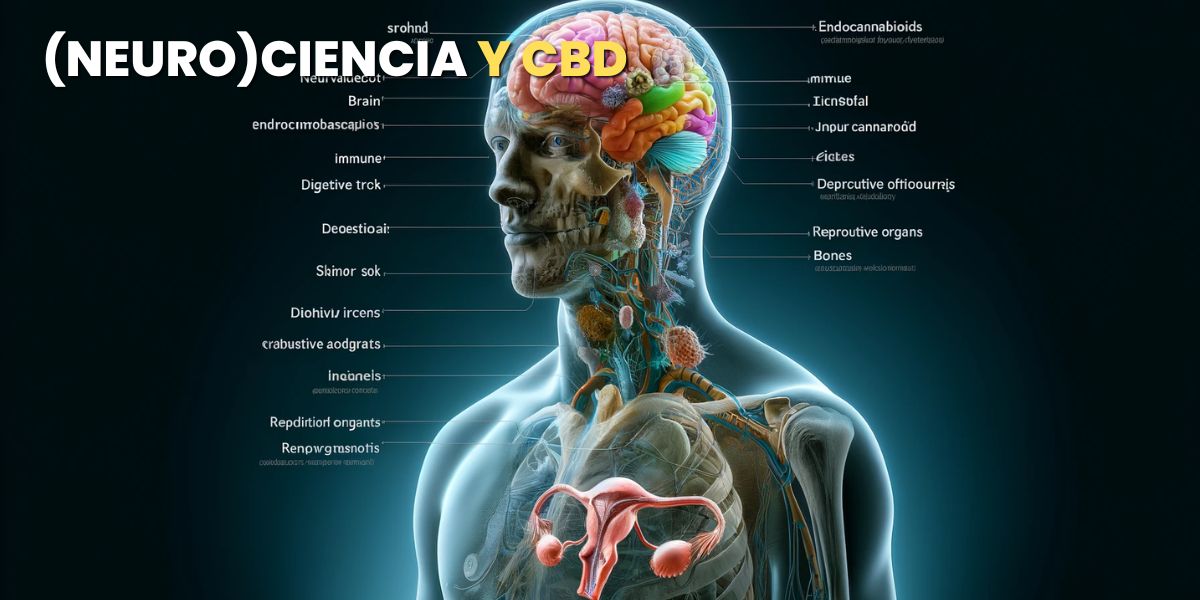
Body Locations with Endocannabinoids and Their Functioning
The endocannabinoid system (ECS) is a cell signaling system found throughout the body. It is composed of endocannabinoids, receptors, and enzymes. Endocannabinoids are compounds produced by the body that bind to cannabinoid receptors to regulate a variety of physiological and cognitive functions. Below are the main body locations where endocannabinoids are found and how they function:
1. Brain and Central Nervous System
- Location: CB1 receptors are found in high concentrations in areas such as the hippocampus, cerebral cortex, cerebellum, and basal ganglia.
- Function: They regulate mood, memory, appetite, pain perception, and motor control. Endocannabinoids modulate the release of neurotransmitters, helping to maintain balance in neuronal signaling.
2. Peripheral Nervous System
- Location: CB1 and CB2 receptors are found in peripheral nerve fibers.
- Function: They control pain signaling and inflammation. Endocannabinoids in this system help regulate the response to pain and inflammation in peripheral tissues.
3. Immune System
- Location: CB2 receptors are predominantly found in immune cells, such as macrophages, lymphocytes, and mast cells.
- Function: They modulate the immune response and inflammation. Endocannabinoids regulate the activity of immune cells, contributing to the body's defense against pathogens and the control of chronic inflammation.
4. Digestive Tract
- Location: CB1 and CB2 receptors are present in the stomach, intestines, and digestive system cells.
- Function: They regulate appetite, digestion, and intestinal motility. Endocannabinoids help control the release of gastric juices, intestinal motility, and nutrient absorption.
5. Skin
- Location: CB1 and CB2 receptors are found in skin cells, including keratinocytes and melanocytes.
- Function: They regulate cell proliferation, sebum production, and the inflammatory response. Endocannabinoids in the skin can influence wound healing, skin regeneration, and cutaneous inflammatory responses.
6. Reproductive Organs
- Location: CB1 and CB2 receptors are found in the testes, ovaries, and uterus.
- Function: They modulate reproductive function and fertility. Endocannabinoids influence processes such as ovulation, embryo implantation, and spermatogenesis.
7. Bones
- Location: CB1 and CB2 receptors are found in bone cells, such as osteoblasts and osteoclasts.
- Function: They regulate bone formation and resorption. Endocannabinoids play a role in bone remodeling and calcium homeostasis.
Functioning of the Endocannabinoid System
The ECS functions through the interaction between endocannabinoids (such as anandamide and 2-AG) and their receptors (CB1 and CB2). When the body needs to regulate a specific function, it produces endocannabinoids that bind to these receptors, triggering an appropriate response. For example:
- Pain Modulation: In response to an injury, endocannabinoids can reduce the release of proinflammatory neurotransmitters and decrease pain perception.
- Appetite Regulation: Endocannabinoids can increase appetite by acting on CB1 receptors in the hypothalamus.
- Immunity Control: In the immune system, endocannabinoids can reduce inflammation by modulating the activity of immune cells.
The ECS acts as a feedback system that helps maintain homeostasis in the body, adjusting various biological functions in response to internal and external changes.
The market offers a variety of CBD products, such as oils, capsules, and edibles. In our store, we exclusively carry the brand of YOIL CBD organic oils, which is specially created to maintain all terpenes and properties.
And now I'll leave you with another interesting related article Concentration and CBD: new studies available (cbdacasa.es)











%20is%20a%20non-psychoactive%20compound%20derived%20from%20the%20cannabis%20plant%20that%20has%20been%20shown%20to%20have%20multiple%20beneficial%20effects%20on%20the%20brain%20and%20nervous%20system.%20Its%20impact%20on%20cognit...)