

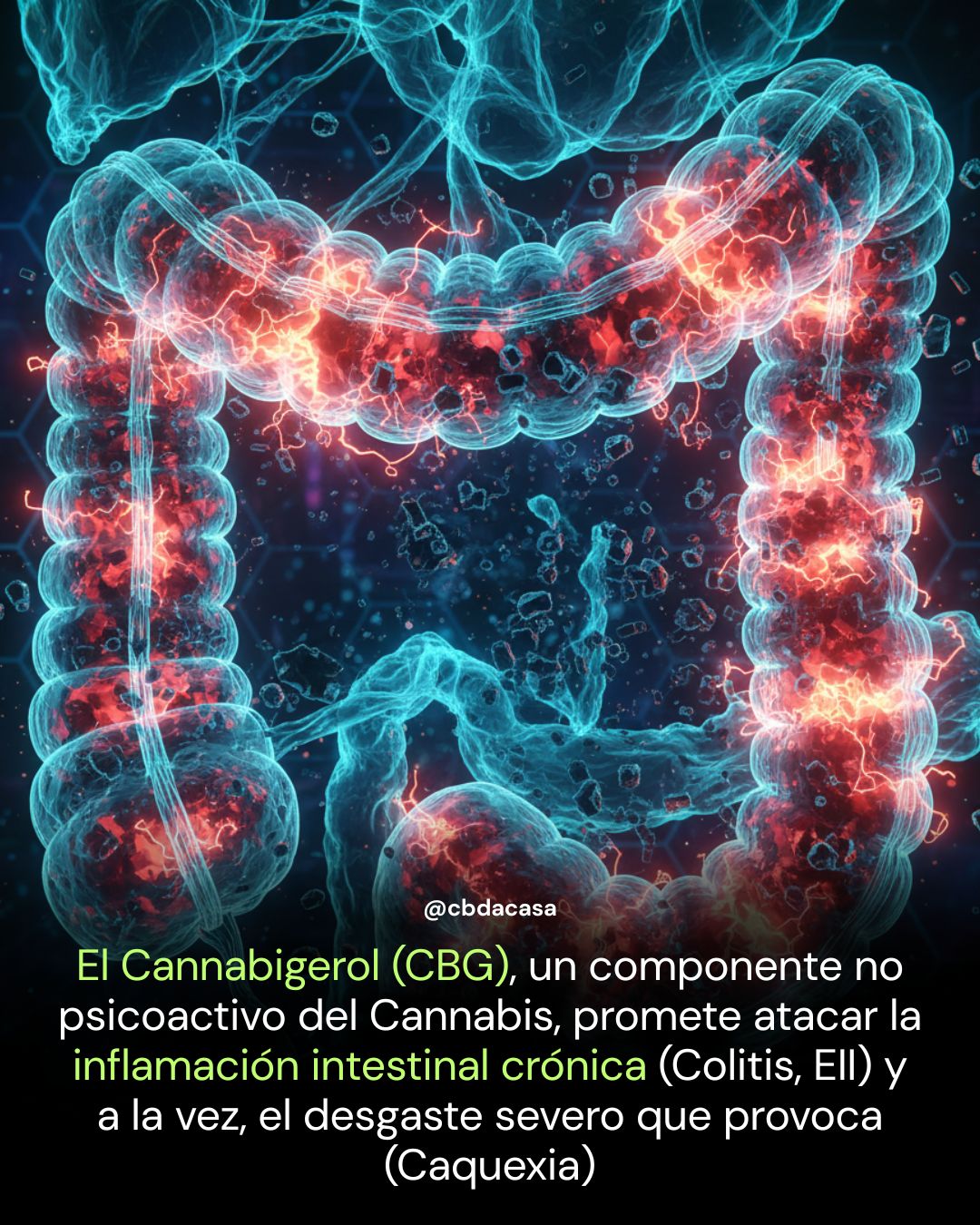
Cannabigerol (CBG): A Dual-Action Agent Against Intestinal Inflammation and Chronic Wasting
Cannabigerol (CBG), a non-psychoactive molecule extracted from Cannabis, is emerging from laboratories as a compound with dual therapeutic potential particularly relevant for digestive health: it has the ability to modulate inflammation and, uniquely, to stimulate appetite.
Mechanism of Action: CBG as an Engineer of Intestinal Calm
Refractory Inflammatory Bowel Disease (IBD) is, in essence, a chronic failure of the intestine's internal security system, where the immune response runs wild and attacks its own tissue, leading to colitis. In preclinical models, CBG has demonstrated a remarkable ability to quell this "intestinal fire."
The secret to its action lies in its ability to interact with different "molecular locks" in cells, which regulate inflammation:
CBG acts as a "partial agonist" of CB2 receptors. To understand this, let's imagine receptors as locks on the cell surface and cannabinoids as keys. CBG is not a perfect key (as a "full agonist" would be), but rather a "partial master key" that opens the CB2 lock just enough to activate a calming response, especially in immune system cells.

Furthermore, CBG is related to other "signaling gates" that are not part of the traditional cannabinoid system. We are talking about G proteins (GPR55) and TRPV1 channels. GPR55 proteins are "cell activity detectors" that, when modulated by CBG, help balance the immune response. Meanwhile, TRPV1 channels are "pain and heat sensors" that CBG can modulate to alleviate intestinal hypersensitivity.
This multifaceted action allows CBG to reduce the production of pro-inflammatory cytokines, which are the language of inflammation. Cytokines, such as and, are "chemical messengers of war" released by immune cells; they are what keep the destructive process of IBD ignited. CBG has the power to "silence" these messengers, dampening inflammation and facilitating the recovery of intestinal tissue.
The Orexigenic Phenomenon: Restored Appetite, Clear Mind
One of the worst consequences of chronic inflammation is cachexia, a wasting syndrome characterized by severe loss of muscle mass and fat, often driven by anorexia (lack of appetite).
The big difference with CBG is its ability to stimulate appetite (hyperphagia) without causing the psychoactive effects associated with THC. THC stimulates appetite by directly activating the CB1 receptor in the brain (an "agonist"), which causes the famous "high." CBG, in contrast, acts as an "antagonist" of this same receptor: it "blocks" or "deactivates" the CB1 pathway that causes euphoria.
This unusual action allows CBG to selectively activate other mechanisms in the hypothalamus (the hunger center) without altering consciousness. CBG focuses on PPARγ receptors, which are like "master switches" that control fat and energy metabolism. By influencing them, CBG acts as a "clean-line orexigenic agent," reversing "metabolic plundering" and providing critical nutritional support.

Clinical Perspective and the Research Pathway
Although laboratory data are promising, human research with isolated CBG for IBD and cachexia is in its early stages. Most clinical trials so far have focused on other cannabinoids, such as CBD, which have proven to be excellent symptomatic agents: they improve pain and patient-reported quality of life, but have less impact on objective markers of inflammation, such as C-reactive protein (CRP) in blood.
The high preclinical efficacy of CBG in colitis models, especially its dual ability to halt inflammation and stimulate intake, has generated strong interest. This has spurred the registration of future controlled and randomized trials that will seek to validate its direct impact on IBD remission and its use as an appetite stimulant in chronic wasting syndrome.
Conclusion: A Promising Dual-Action Candidate
The combination of CBG's anti-inflammatory activity in the intestinal wall with its non-psychoactive orexigenic capacity makes it an "exceptional double-edged therapeutic candidate." It offers a strategy to quell intestinal fire while simultaneously providing a crucial "nutritional bridge" for patients struggling with cachexia.
As clinical data mature, CBG's safety profile and strong preclinical evidence demand a central place in the next generation of treatments for IBD and associated wasting syndromes.
Here you can continue exploring the science of cannabigerol and its benefits:
Cannabigerol (CBG) research, studies, effects.
Cannabigerol is a novel, well-tolerated appetite stimulant in pre-satiated rats.
High Cannabigerol Hemp Extract Moderates Colitis and Modulates the Microbiome in an Inflammatory Bowel Disease Model
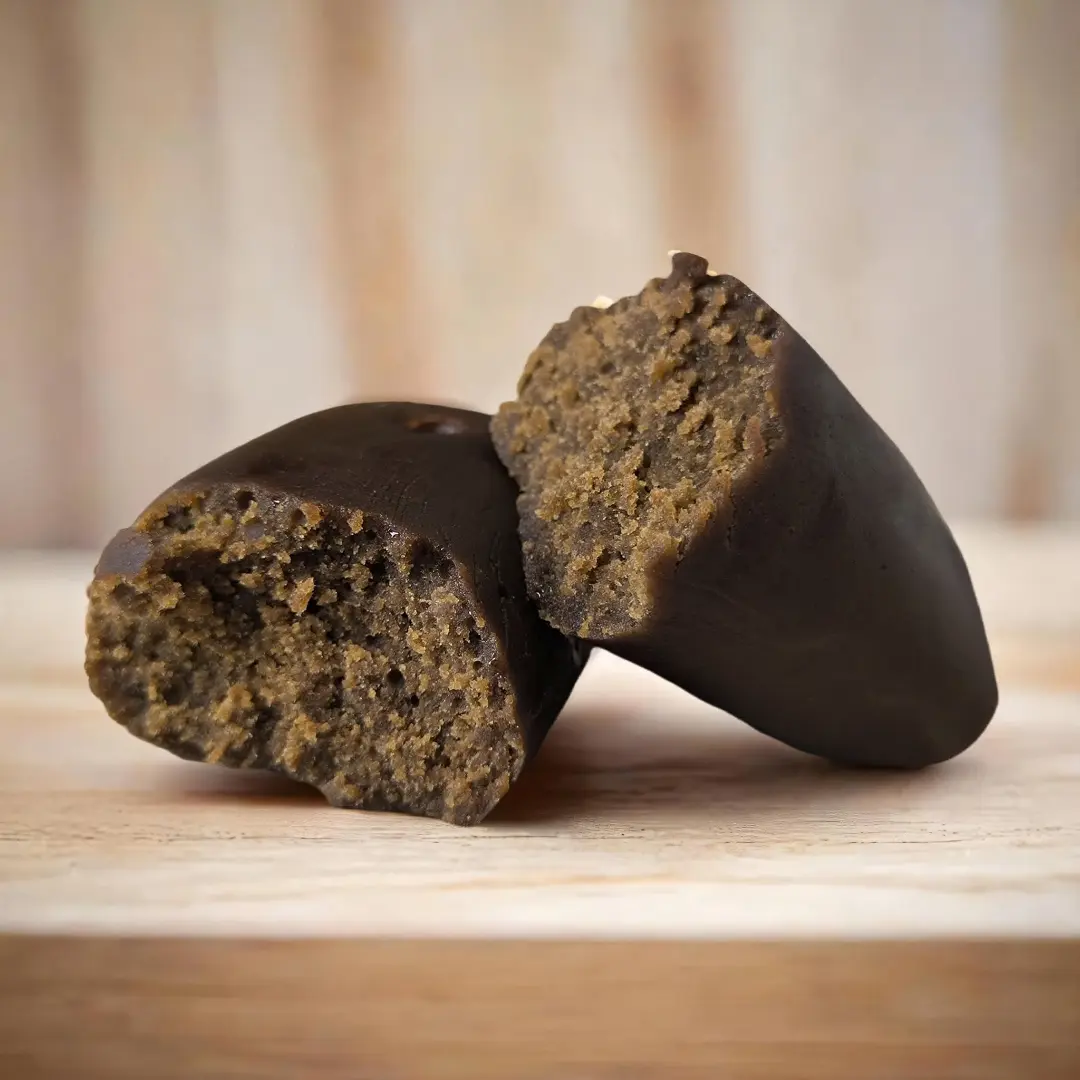
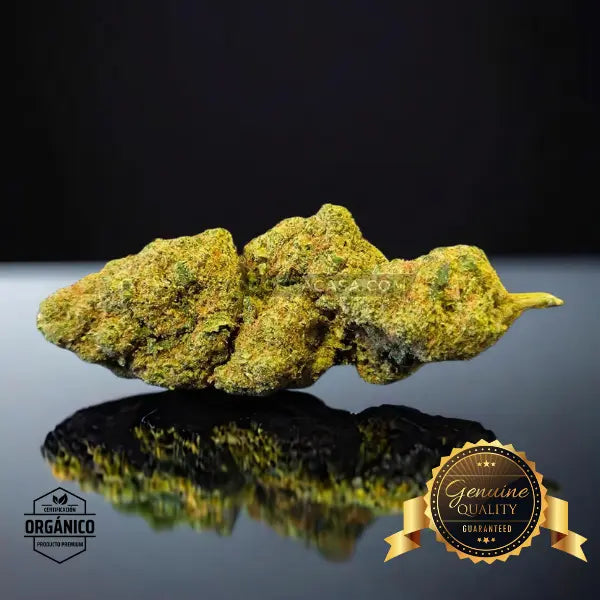
In our catalog we have CBD Cream hash with 20% CBD and 14% CBG, a product with great potential to reduce anxiety, relax and sleep well.

CBD Hash obtained by pressing dried flowers
Format: 5, 10, 20, 50 and 100g bags
34% CBD + CBG
THC = 0.17% (less than 0.2% in accordance with Spanish legislation
Product from industrial hemp for technical, ornamental and aromatic use, not psychotropic. Find it here.







,%20a%20non-psychoactive%20molecule%20extracted%20from%20Cannabis,%20is%20emerging%20from%20laboratories%20as%20a%20compound%20with%20dual%20therapeutic%20potential%20particularly%20relevant%20for%20digestive%20health:%20it%20h...)