

6 Reasons Why We Get Sick More Often in Autumn: A Historical and "Clinical" Approach
It is said to be the month when we can get sick the fastest. I think it's because we wear summer clothes and then it suddenly gets cold, not to mention that we go from vacation to work, and emotionally this can create enormous biological and mental stress.
We study, based on science, why we get sick more in autumn and how to avoid it
Autumn, with its golden landscapes and falling temperatures, has always been a transitional season marking the shift from summer heat to winter cold. While this change brings unique natural beauty, it also coincides with an increase in respiratory illnesses such as the common cold, flu, and other viruses. This phenomenon has been observed for centuries, and today, various clinical studies help us better understand why our defenses seem to wane during this season. In this article, we will explore the historical and scientific reasons behind this increase in autumnal illnesses.

1. History of increased illnesses in autumn
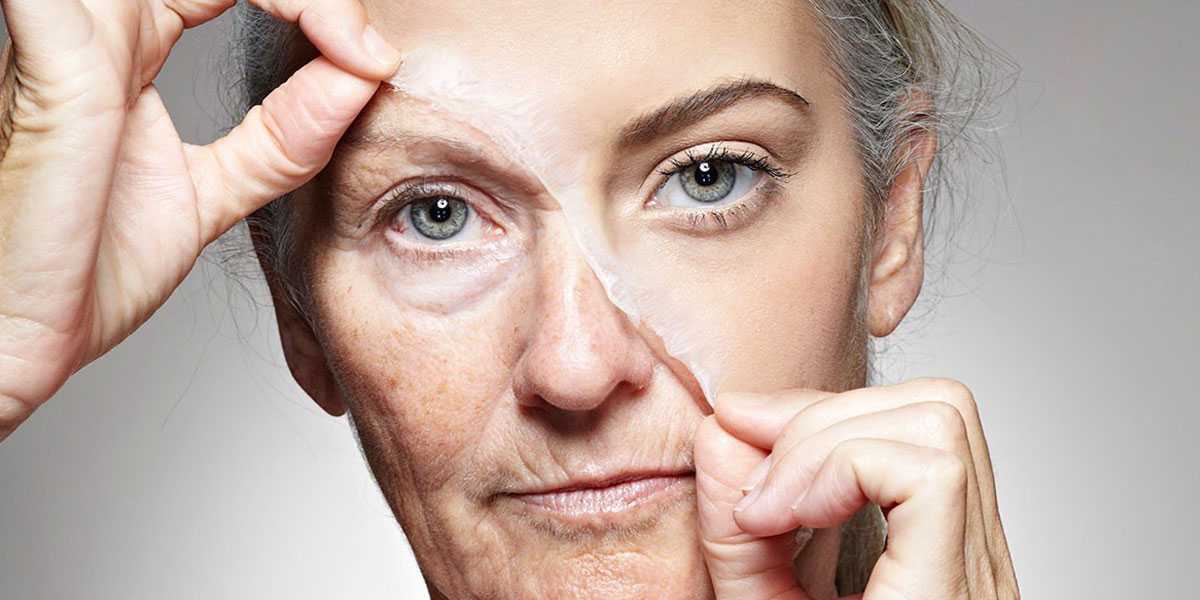
Since ancient times, the change of season has been associated with different changes in health. The ancient Greeks, for example, linked autumn illnesses to the balance of bodily humors. In Hippocrates' humoral medicine, it was believed that the body was composed of four humors: blood, black bile, yellow bile, and phlegm. Autumn, according to this theory, caused an imbalance of these fluids, especially an increase in phlegm, which led to colds and congestion.
In the 18th century, doctors began to notice more consistent patterns in epidemics of influenza and other respiratory diseases. Scientists' observations indicated that peaks of respiratory diseases occurred mostly in autumn and winter, although there were no explanations based on microbiological evidence yet.

2. Environmental factors: Temperature and humidity
As science advanced, it became evident that climate plays a crucial role in the spread of respiratory viruses. Autumn is characterized by colder temperatures and lower humidity levels. Recent clinical studies have shown that viruses such as the flu and the common cold (caused by rhinoviruses) thrive in cold, dry environments.
A study conducted by the Proceedings of the National Academy of Sciences found that the flu virus transmits more effectively in cold, low-humidity climates, which partly explains why outbreaks tend to be more common in autumn and winter. In low humidity conditions, virus particles remain suspended in the air longer, increasing the likelihood of contagion.

3. The role of the immune system and vitamin D
Another key reason why we get sick more in autumn is the decrease in sun exposure. Sunlight is essential for the production of vitamin D in our bodies, a crucial nutrient for the proper functioning of the immune system. During autumn, days become shorter and we spend less time outdoors, which can lead to a decrease in vitamin D levels. A study by the University of Cambridge suggests that people with vitamin D deficiency are more prone to respiratory infections.

Another study published in the Journal of Investigative Medicine demonstrated that vitamin D levels in the body can influence susceptibility to viral infections, such as the flu. Those with adequate vitamin D levels showed a better immune response to respiratory infections.
4. Increased social proximity in enclosed spaces
During the autumn months, people tend to gather in enclosed spaces to protect themselves from the cold, which facilitates the spread of diseases. As early as the 19th century, doctors began to associate overcrowding and poor ventilation with disease transmission, something that has been confirmed by modern research.

A study conducted by the Centers for Disease Control and Prevention (CDC) shows that respiratory diseases spread more quickly in enclosed, poorly ventilated spaces. By spending more time indoors, in offices, schools, or public transport, the likelihood of people inhaling viral particles from those around them who are sick increases.
5. The impact of returning to school and work activities
Another important factor is the return to school and work after the summer. During the summer, many people spend more time outdoors and in contact with fewer people on a regular basis. However, with the arrival of autumn and the return to school and work routines, exposure to large groups of people in enclosed environments increases, which facilitates the spread of viral diseases.
A study published in The Lancet analyzed the impact of school reopening on the spread of viral diseases and concluded that the return to classrooms significantly contributes to the increase in respiratory infections in autumn.

6. Seasonal stress and its impact on the immune system
The change of season can also affect our stress levels, and stress has a direct impact on our immune system's ability to fight infections. In autumn, the return to work or study, coupled with decreased sunlight, can trigger a stress response in many people.
According to a study by the American Psychological Association, chronic stress can weaken the immune system, making us more susceptible to illnesses. The study found that cortisol, the stress hormone, when elevated for long periods, can interfere with the function of immune cells, reducing their effectiveness in fighting viruses and bacteria.

This is the part I wanted to get to: Stress.
Seasonal stress, especially during autumn, significantly impacts our health, exacerbating common ailments of this season. As days shorten and work or academic demands increase, the body produces more cortisol, the stress hormone. Excess cortisol can weaken the immune system, making us more vulnerable to respiratory infections, such as the common cold and flu, which already proliferate in cold, dry climates. Additionally, stress can aggravate other conditions related to reduced vitamin D due to lack of sun exposure and increased social proximity in enclosed spaces. Together, stress acts as an amplifier of the factors that make us more susceptible to getting sick during autumn, emphasizing the importance of managing emotional well-being to maintain good physical health this season.
To reduce this, remember that studies have shown the effectiveness of CBD

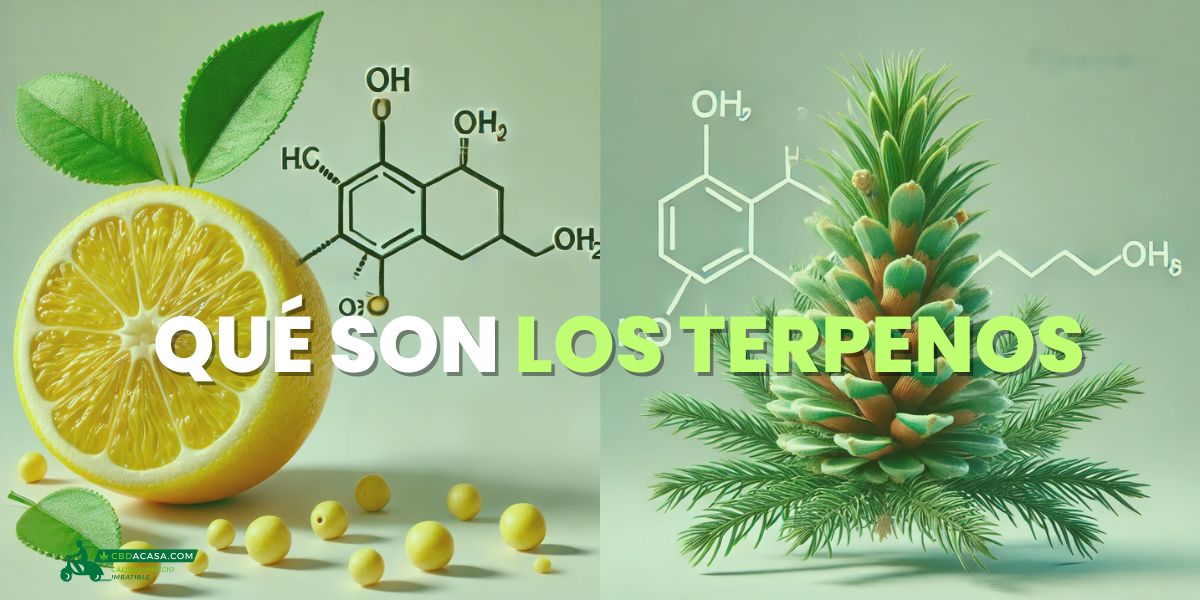
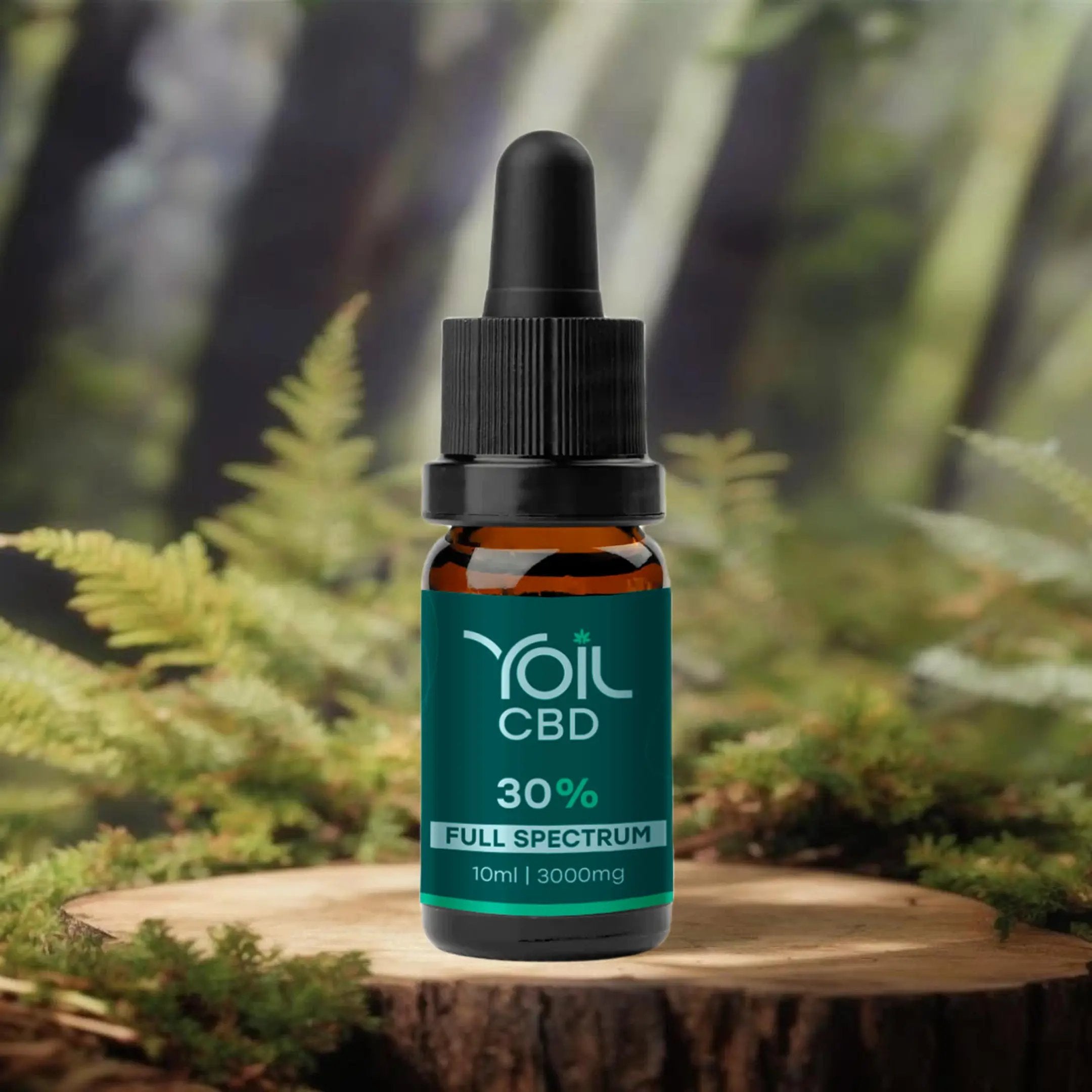
Yoil CBD 30%, pure, with all its nutrients and terpenes intact. For greater effectiveness.