
5 Discoveries Beyond THC and CBD: 5 Discoveries Revolutionizing Cannabinoid Science
The conversation about cannabis has matured. We've moved from whispers and prejudice to finding ourselves at the forefront of a scientific revolution. While THC and CBD have garnered all the headlines, the reality is that they are just the tip of an immense and fascinating molecular iceberg. Every day, laboratories worldwide unveil new secrets that challenge what we thought we knew.
If you're passionate about this world, get ready. We've compiled 5 of the latest mysteries and discoveries in cannabinoid research that are not only surprising but could change the game in future medicine.
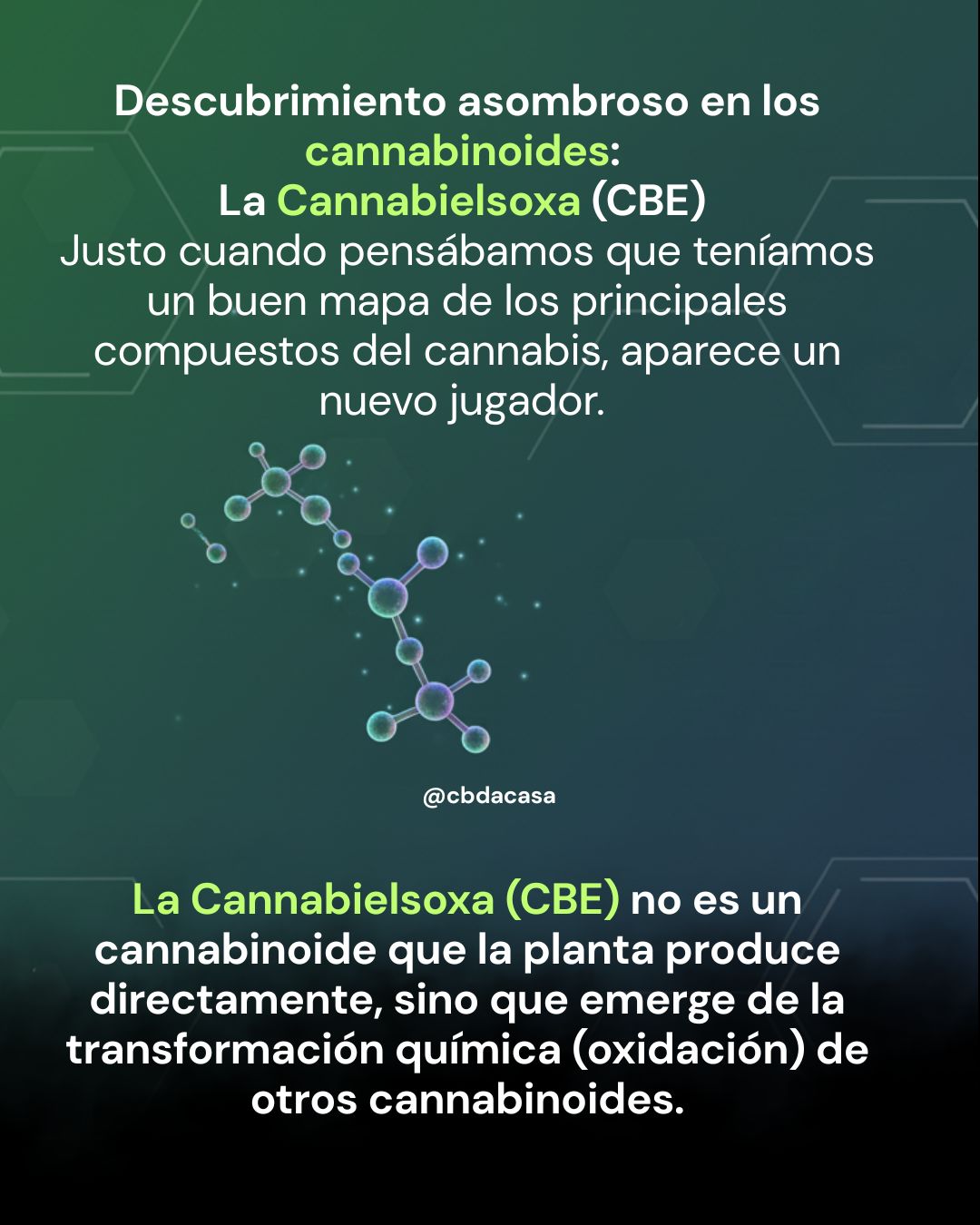
1. The New Family Member: Cannabielsoin (CBE)
Just when we thought we had a good map of cannabis's main compounds, a new player emerges. Cannabielsoin (CBE) is not a cannabinoid that the plant produces directly; instead, it arises from the chemical transformation (oxidation) of other cannabinoids.
What makes it special is its unique structure, which chemists describe as a kind of molecular "bubble." Preliminary studies, though nascent, already point to enormous therapeutic potential as an anti-inflammatory and neuroprotective agent. This finding humbly reminds us that the book of cannabis chemistry is far from closed; we are just reading the prologue.

2. The Internal Mystery: Do You Suffer from Clinical Endocannabinoid Deficiency?
This is one of the most fascinating and disruptive theories in modern medicine. We all have an Endocannabinoid System (ECS), a complex network of receptors and molecules that acts as the grand regulator of our body, maintaining balance in everything from appetite and sleep to pain and mood.
The theory of Clinical Endocannabinoid Deficiency (CECD), proposed by renowned researcher Dr. Ethan Russo, suggests that if our body doesn't produce enough of its own cannabinoids (endocannabinoids), this system becomes imbalanced. The result? It could be the underlying cause of chronic and complex-to-diagnose diseases such as migraine, fibromyalgia, and irritable bowel syndrome. The big question science is trying to answer is whether plant-derived cannabinoids (phytocannabinoids) could act as a "supplement" to restore that lost balance.
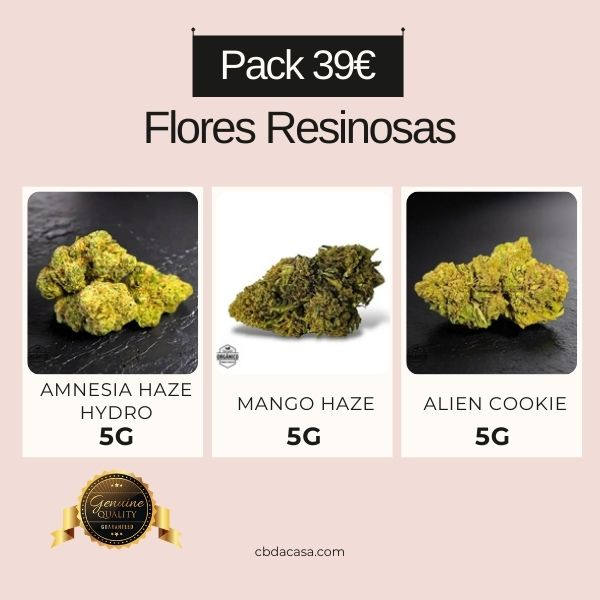
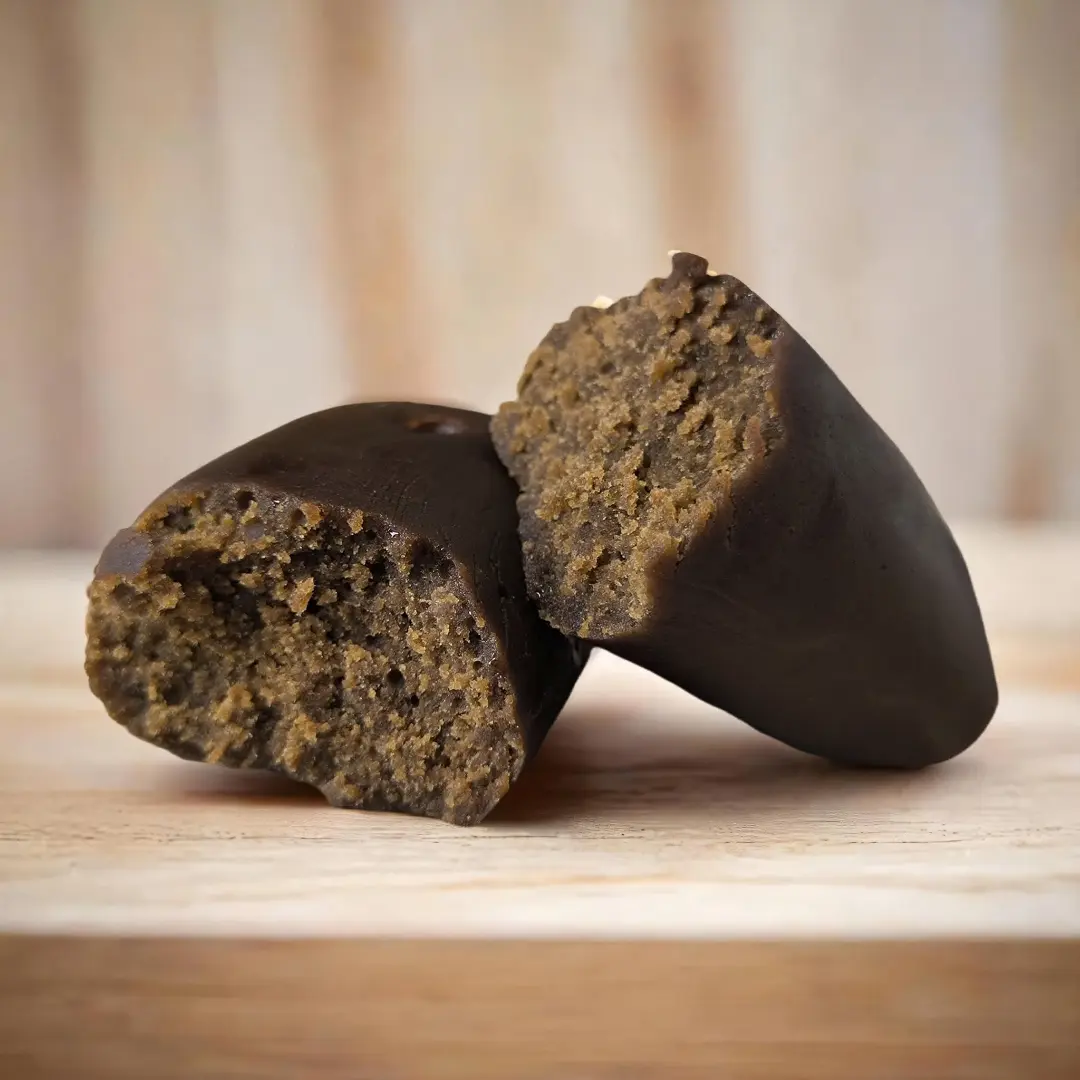
For those seeking a supplement, products like full-spectrum CBD oils or high-potency CBD resins from specialized stores like CBDaCasa could be an option to consider for restoring that balance.

3. The Unexpected Origin: Cannabinoids... in Other Plants?
Historically, we've associated cannabinoids exclusively with the genus Cannabis. However, a recent discovery has shattered this idea. A team of scientists has identified cannabinoids like CBG in a South African plant called Helichrysum umbraculigerum, known for its uses in traditional medicine.
The implications are enormous. This not only opens the door to more sustainable cannabinoid production, potentially without the legal restrictions of cannabis, but it raises an exciting question: how many other plants in the world contain these valuable compounds without us knowing it? We are witnessing the possible birth of an entirely new cannabinoid botany.
4. The Master Regulator: The Double Game with Our Immune System
For a long time, the predominant idea was that cannabinoids simply "suppressed" the immune system. More sophisticated research has revealed a much more elegant role: they act as intelligent modulators.
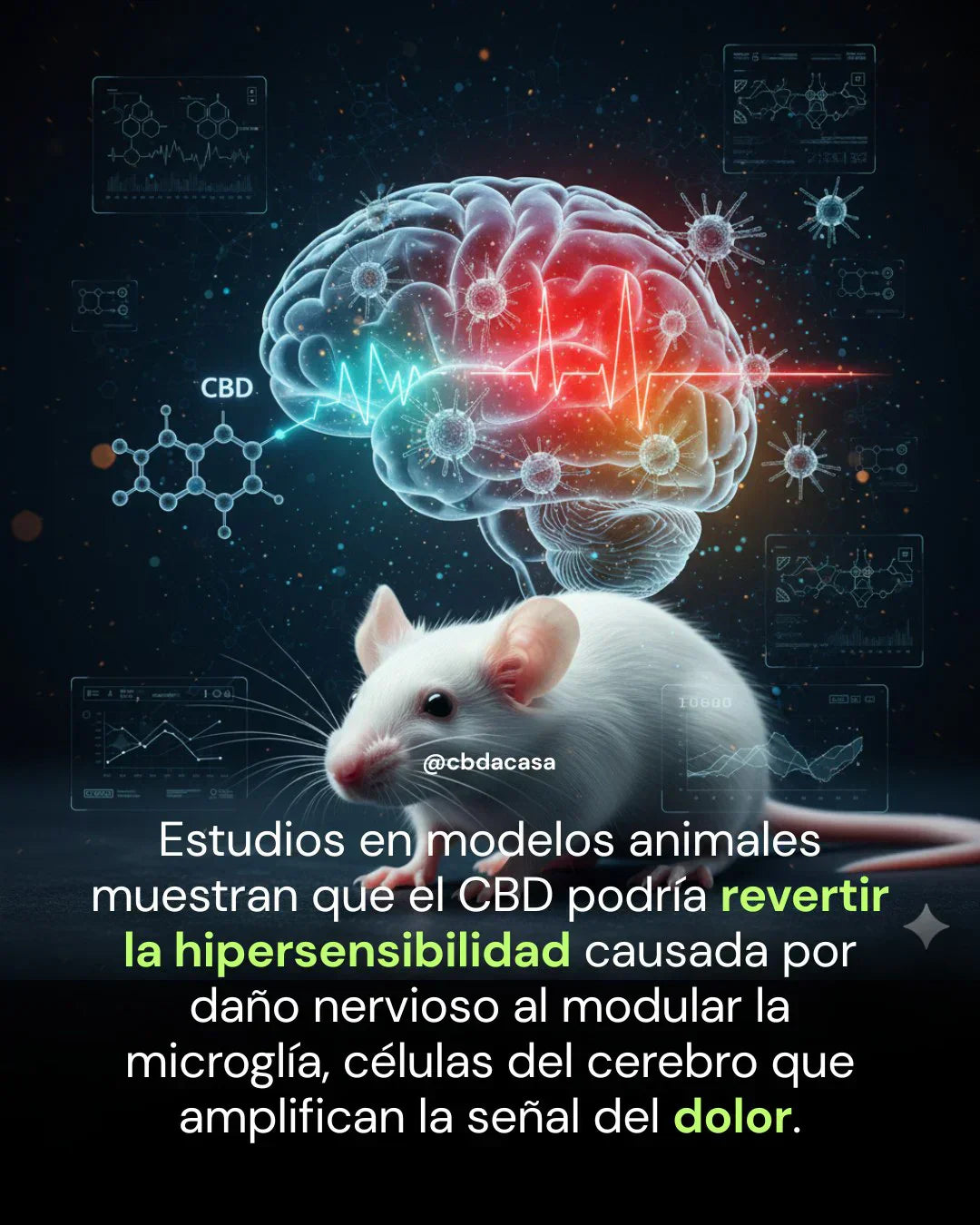
This means they don't have a single effect but adapt to the body's needs. They can calm an overactive immune response (a key factor in autoimmune diseases like rheumatoid arthritis or multiple sclerosis) but, in other circumstances, could boost the body's defenses. This adaptive, "orchestra conductor" mechanism is one of the most promising areas of research for developing a new generation of immune therapies.
5. The Synthetic Frontier: Designing Custom Cannabinoids
While some explore nature, others recreate and improve it in the lab. The era of precision synthetic cannabinoids is already here. Scientists can now design and create molecules that target specific cannabinoid receptors ( or
) in very specific parts of the body.
Imagine a treatment for neuropathic pain that only activates receptors in the peripheral nerves of a leg, relieving suffering without causing any psychoactive effects in the brain. This level of precision could lead to incredibly effective therapies with far fewer side effects than current medications. It's the future of cannabinoid medicine knocking at our door.
Conclusion: A New Golden Age
We are living in a true golden age of cannabinoid research. Far from being an exhausted field, every new study opens doors to deeper mysteries and more exciting therapeutic possibilities. These five advances are just a sample that the next great revolution in medicine could be hidden in the complex and wonderful chemistry of these compounds.
Which discovery struck you the most? Leave us your opinion in the comments!