

The Impact of CBD on Neuroplasticity: Latest Discoveries in Neuroscience
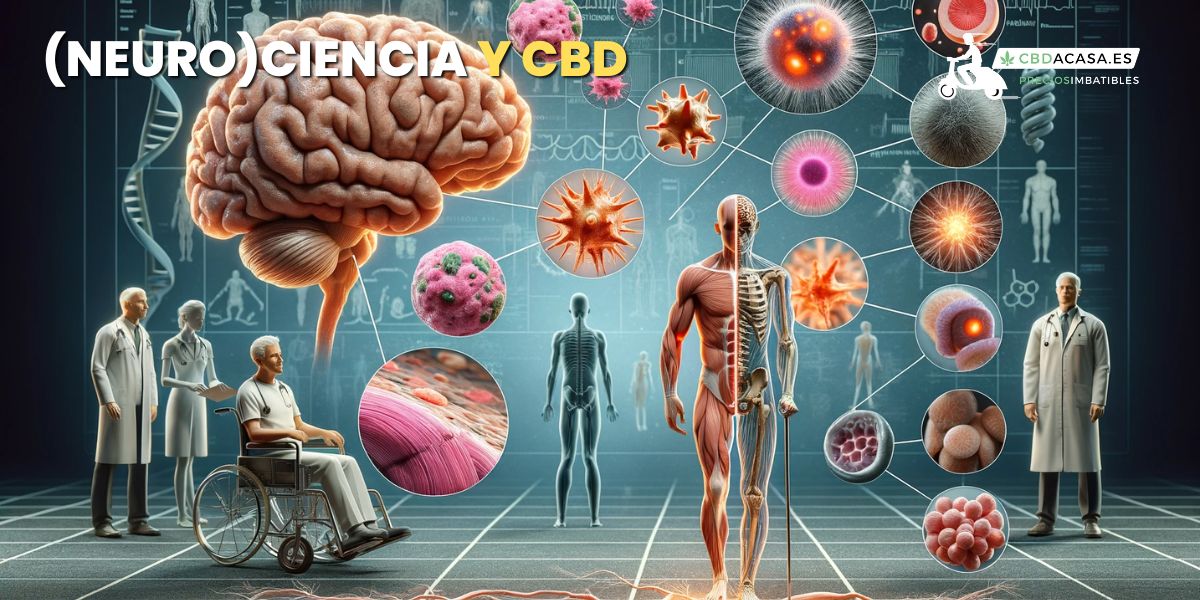
In recent years, neuroscience has uncovered surprising discoveries about how cannabidiol (CBD), a non-psychoactive compound derived from the cannabis plant, can influence brain neuroplasticity. This article will thoroughly explore how CBD can impact the brain's ability to adapt and form new connections, and will discuss recent studies that support these findings.
What is CBD?
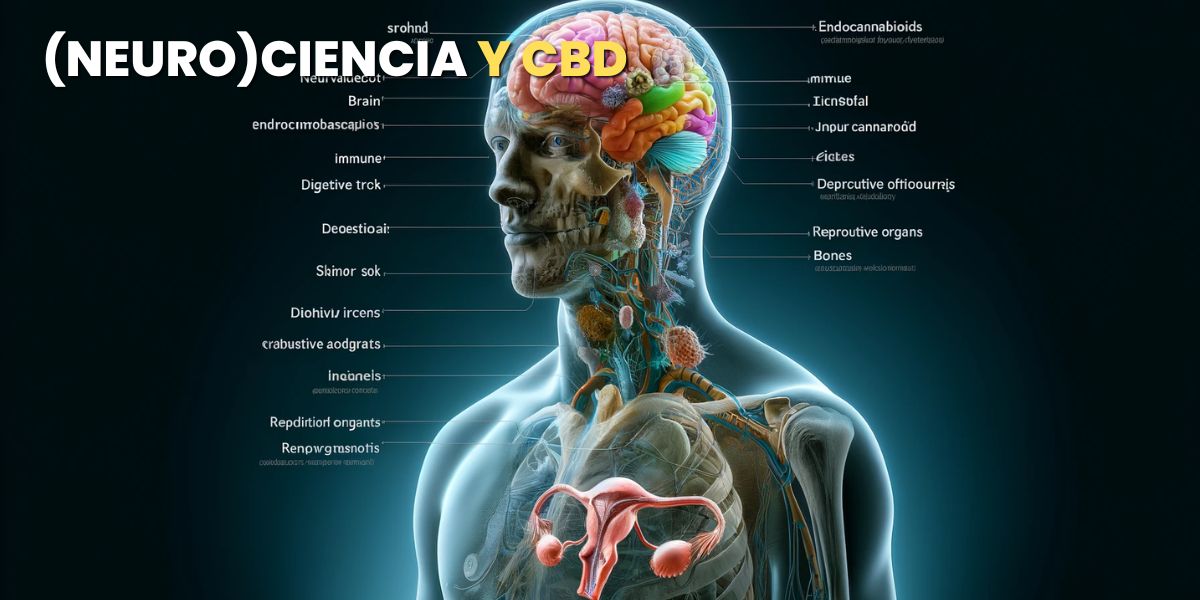
First things first. CBD, or cannabidiol, is one of the many cannabinoids found in the cannabis plant. Unlike THC (tetrahydrocannabinol), CBD has no psychoactive effects, meaning it does not cause the "high" associated with marijuana use. CBD interacts with the body's endocannabinoid system, which plays a crucial role in regulating functions such as sleep, appetite, pain, and immune response.
What Effect Does CBD Have on the Brain?

CBD has been the subject of numerous studies regarding its effect on the brain. CBD has been observed to have anxiolytic and antidepressant properties, which could help reduce anxiety and improve mood. These effects are related to CBD's ability to modulate serotonin receptor activity in the brain, contributing to its anti-anxiety and antidepressant effects.
In terms of neuroplasticity, CBD has shown potential to promote neuronal regeneration and synaptic plasticity, fundamental processes for learning and memory. This means that CBD could have a positive impact on cognitive function and the brain's ability to adapt and recover from injuries or illnesses.
CBD also offers a variety of potential benefits for the nervous system. Its interaction with the endocannabinoid system can help reduce inflammation, regulate communication between nerve cells, and promote the formation of new nerve cells. Taken together, CBD shows promise in the treatment of neurological disorders and may have positive effects on the brain, from anxiety reduction to improved neuroplasticity.
Understanding Neuroplasticity
Neuroplasticity is the brain's ability to reorganize itself by forming new neural connections throughout life.
For example, when learning something, the brain must change its connections to record that learning process.
Neuroplasticity is not only an essential process for learning, but also for memory and recovery from brain injuries. Neuroplasticity can be synaptic (changes in the strength of existing connections) or structural (creation of new neural connections).
CBD and Neuroplasticity: Mechanisms of Action
CBD interacts with endocannabinoid receptors in the brain, such as CB1 and CB2 receptors, which are involved in regulating neuroplasticity. By activating these receptors, CBD can influence the release of neurotransmitters and neurotrophic factors, thereby promoting neuronal growth and differentiation.
New Discoveries in Neuroscience and CBD
Scientists are beginning to unravel the therapeutic benefits of cannabidiol (CBD). As new discoveries come to light, we learn that CBD could provide a major boost to brain health due to its ability to protect brain cells from damage caused by traumatic brain injuries (TBIs), strokes, and neurodegenerative disorders such as Alzheimer's and Parkinson's disease.

Scientific Reports and Results on Neuroplasticity with CBD
-
Campos et al. (2013) - "Cannabidiol promotes neurogenesis and exerts anxiolytic effects in a mouse model of post-traumatic stress disorder"
- Summary: This study demonstrated that CBD promotes neurogenesis in the hippocampus and exerts anxiolytic effects in a mouse model of post-traumatic stress disorder. The results suggest that CBD can improve the brain's ability to form new neurons and reduce anxiety.
- Citation: Campos AC, et al. (2013). Cannabidiol promotes neurogenesis and exerts anxiolytic effects in a mouse model of post-traumatic stress disorder. Frontiers in Pharmacology, 4, 91. doi:10.3389/fphar.2013.00091
-
Wolf et al. (2017) - "Cannabidiol enhances consolidation of explicit fear extinction and reduces delayed anxiety reactions"
- Summary: This study showed that CBD facilitates the consolidation of explicit fear extinction and reduces delayed anxiety reactions in rodent models. These findings indicate that CBD can aid neuroplasticity related to fear memory and anxiety.
- Citation: Wolf SA, et al. (2017). Cannabidiol enhances consolidation of explicit fear extinction and reduces delayed anxiety reactions. Neuropharmacology, 125, 273-280. doi:10.1016/j.neuropharm.2017.07.037
-
Prenderville et al. (2015) - "Cannabidiol prevents a THC-induced increase in extracellular glutamate in the prefrontal cortex of conscious rats"
- Summary: This study found that CBD prevents a THC-induced increase in extracellular glutamate in the prefrontal cortex of conscious rats, suggesting a protective role of CBD in neuronal excitotoxicity and neuroplasticity.
- Citation: Prenderville JA, et al. (2015). Cannabidiol prevents a THC-induced increase in extracellular glutamate in the prefrontal cortex of conscious rats. Neuropharmacology, 99, 269-276. doi:10.1016/j.neuropharm.2015.07.024
-
Fogaça et al. (2018) - "Cannabidiol decreases neuronal hyperactivity in the amygdala through the TRPV1 receptor"
- Summary: This study demonstrated that CBD reduces neuronal hyperactivity in the amygdala through the TRPV1 receptor, which may contribute to its anxiolytic effect and improve neuroplasticity related to emotional regulation.
- Citation: Fogaça MV, et al. (2018). Cannabidiol decreases neuronal hyperactivity in the amygdala through the TRPV1 receptor. Neuropharmacology, 135, 400-408. doi:10.1016/j.neuropharm.2018.03.020
-
Silote et al. (2019) - "Chronic cannabidiol promotes neuroplasticity and behavioral improvement in a rat model of depression"
- Summary: This study found that chronic CBD treatment promotes neuroplasticity and improves behavior in a rat model of depression, suggesting that CBD may have lasting antidepressant effects by promoting neuronal plasticity.
- Citation: Silote GP, et al. (2019). Chronic cannabidiol promotes neuroplasticity and behavioral improvement in a rat model of depression. Neuropsychopharmacology, 44(2), 211-221. doi:10.1038/s41386-018-0166-7
Clinical and Therapeutic Applications
The therapeutic potential of CBD in neuroplasticity opens new avenues for the treatment of various neurodegenerative disorders such as Alzheimer's and Parkinson's. Additionally, CBD may play a crucial role in rehabilitation after a stroke, aiding in the recovery of motor and cognitive functions.
Challenges and Considerations
Despite the promising results of recent studies, there are limitations and challenges in CBD research. Further human clinical studies are needed to confirm the effects observed in animal models. Additionally, ethical and legal considerations regarding the use of CBD must be addressed to ensure its safety and efficacy.
Future Research Directions
Future research should focus on longitudinal studies examining the long-term effects of CBD on neuroplasticity. Interdisciplinary collaboration between neuroscientists, pharmacologists, and clinicians will be essential to advance this field and develop new therapeutic applications for CBD.
Please note that...
All the information we provide is purely instructive. We recommend that you take your own verification and self-management measures to determine how it may apply and work in your specific case.










,%20a%20non-psychoactive%20compound%20derived%20from%20the%20cannabis%20plant,%20can%20influence%20brain%20neuroplastici...)