
How do our bacteria influence the immune system? And how can CBD help us?
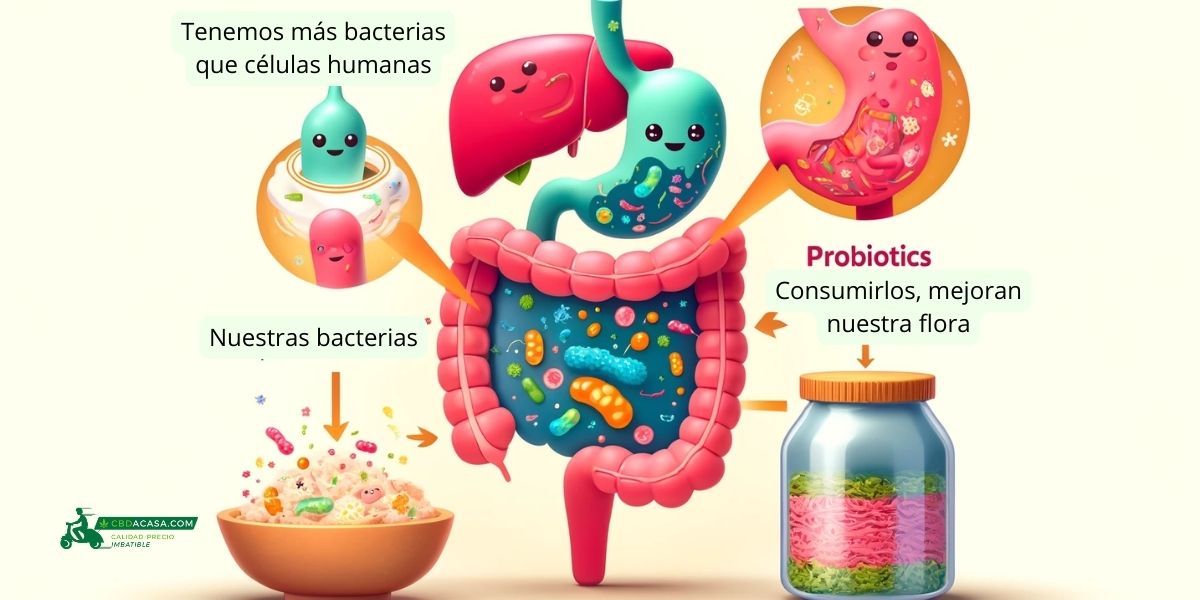
The bacteria that live in our bodies, especially those in the gastrointestinal tract, play an essential role in modulating and functioning of the immune system. This group of microorganisms, collectively known as the microbiota, not only helps process food and absorb nutrients, but also significantly influences our immune responses.
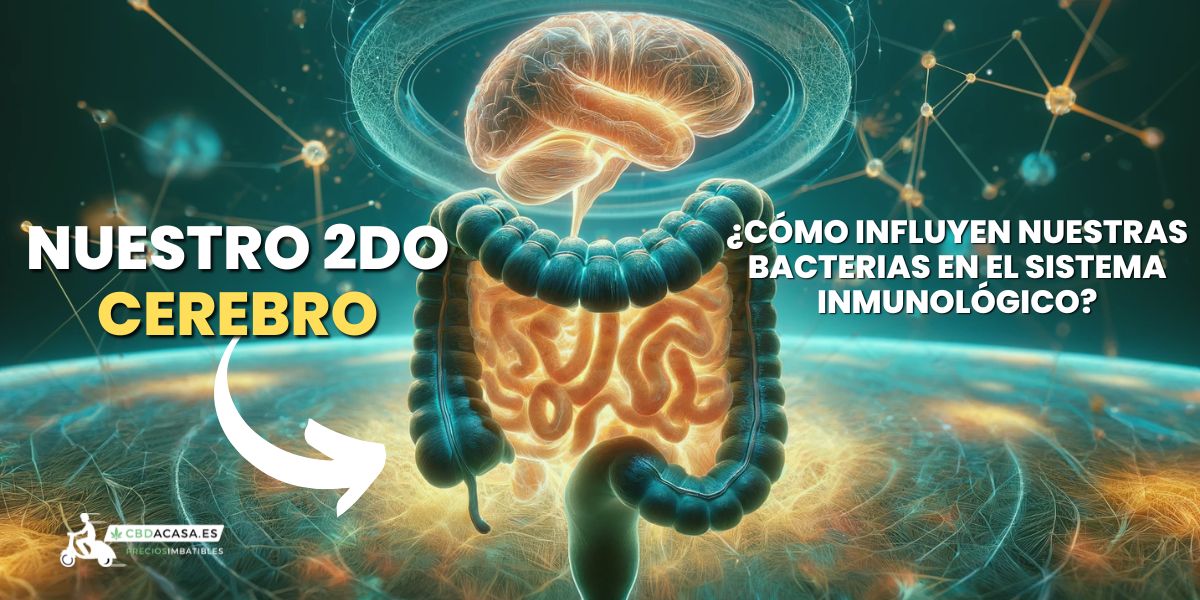
Science now calls our digestive system the SECOND BRAIN, because, among other things, it has approximately 200,000,000 neurons, which is equivalent to the brain of a cat.
Let's get to know our second brain.
Discovering Our Second Brain: A Journey Through the Enteric Nervous System

In recent years, science has begun to shed light on one of the most fascinating and least known parts of our body: the enteric nervous system (ENS), often called our "second brain." Located in the depths of our digestive system, this complex system of neurons is an impressive entity that plays crucial roles beyond simple food digestion.
What is the Second Brain?
The second brain is composed of over 100 million neurons lining our gastrointestinal tract, from the esophagus to the rectum. This is no small number, especially considering it's more than the number of neurons found in the spinal cord. The ENS is so complex and autonomous that it can operate independently of the brain and spinal cord, allowing it to control gastrointestinal functions without conscious instruction.
Functions of the Second Brain
Although the second brain does not participate in rational thought or decision-making like our main brain, it plays a fundamental role in managing digestion. It regulates the movement and mixing of food in the stomach, the release of enzymes for food breakdown and nutrient absorption, and the blood flow necessary for digestion. Furthermore, it controls the evacuation process, working in sync with the main brain to ensure the timing is appropriate.
The Second Brain and Our Emotions
One of the most intriguing aspects of the enteric nervous system is its connection to our emotions and mental well-being. Have you ever felt "butterflies" in your stomach when you're nervous or stressed? That's the work of the second brain. It is extensively connected to the main brain through the gut-brain axis, using the same network of neurotransmitters and hormones, such as serotonin, which is vital for mood regulation.
In fact, approximately 95% of the body's serotonin is produced in the gut, and researchers have begun to study how the balance of bacteria in our gut can affect not only our digestive health, but also our mental health. This link suggests that the second brain could play a role in psychological conditions such as anxiety and depression.
Implications for Health
Understanding the function of the second brain opens new avenues for treating various conditions, from digestive disorders like irritable bowel syndrome to mental health issues. As we deepen our knowledge of the gut microbiota and its interaction with the enteric nervous system, we can begin to explore new probiotic therapies, dietary changes, and personalized treatments that leverage our gut biology to improve health and well-being.
How does the microbiota influence our immune system?

Here's how our bacteria influence the immune system:
1. Immune System Development
The gut microbiota is crucial for the development of the immune system. From birth, exposure to microorganisms helps teach the immune system to differentiate between potentially dangerous pathogens and harmless organisms, including the beneficial microorganisms that colonize the body. This process of immune education is vital for developing a balanced and effective immune response.
2. Regulation of Immune Response
Bacteria in the gut produce and stimulate the release of a variety of substances that can influence the immune response. These include short-chain fatty acids (such as butyrate, propionate, and acetate), which are byproducts of the fermentation of dietary fibers by gut bacteria. These compounds have anti-inflammatory effects and can help regulate local and systemic immune responses.
3. Maintenance of the Intestinal Barrier
A crucial function of the microbiota is maintaining the integrity of the intestinal barrier. Healthy gut bacteria help strengthen the tight junctions between intestinal epithelial cells, which prevents the entry of pathogens and toxic substances into the bloodstream. A "leaky gut," where this barrier has been compromised, can lead to systemic inflammation and autoimmune disorders, as unwanted substances enter circulation and can trigger immune responses.
4. Stimulation of Immune Cells
The gut microbiota interacts directly with immune cells in the intestinal mucosa. For example, certain bacteria can stimulate dendritic cells, which are critical components of the immune system that process antigens and present them to T cells, which are essential for the adaptive immune response. In addition, some bacterial species are able to influence the function and proliferation of T lymphocytes, including regulatory T cells, which play a role in suppressing excessive immune reactions and preventing autoimmune responses.
5. Protection against Pathogens
Resident bacteria in the gut also protect against pathogens through mechanisms of competitive exclusion, such as occupying adhesion sites and producing bacteriocins, which are antimicrobial substances that inhibit the growth of pathogenic bacteria. Furthermore, a balanced microbiome can influence the production of mucus and other antimicrobial factors that offer physical and chemical protection against microbial invasion.
Highlighting that...

You need to understand the importance of this inner ecosystem. Not only is it part of almost every organ in the body, but it also influences our thoughts thanks to these 200,000,000 neurons.
It can change our character, but it can also HEAL us.
Ongoing research in this field is revealing even more about the complex interaction between bacteria and the immune system, suggesting that maintaining a healthy gut microbiota can be crucial not only for digestive health, but for overall immunity and disease prevention. Taking care of our microbiota through diets rich in fiber, probiotics, and prebiotics can be a key approach to maintaining our overall well-being.
Potential Benefits of CBD in the Digestive System
-
Anti-inflammatory Properties: CBD has shown to have anti-inflammatory effects, which can be beneficial in treating inflammatory bowel diseases such as Crohn's disease and ulcerative colitis. By reducing inflammation, CBD can help alleviate some of the symptoms associated with these conditions.
-
Nausea Relief: Studies have suggested that CBD can help control nausea and vomiting, which can be especially useful for patients undergoing treatments like chemotherapy that often cause these side effects.
-
Pain Reduction: CBD can be effective in reducing abdominal pain, particularly in conditions involving inflammation or hyperactivity of the gastrointestinal tract.
-
Effects on Intestinal Motility: CBD has the ability to influence intestinal motility, which can be useful for treating symptoms such as constipation or diarrhea, commonly present in gastrointestinal disorders.
Which CBD to consume?
Taking into account everything we are telling you, you must understand the importance of it being organic and quality CBD. We are talking about it not only being part of a food system, but also influencing everything in our lives. In our mood, sleep, memory capacity, and even stress and motivation.

Considerations for Using CBD in Digestive Problems
-
Medical Consultation: It is crucial to consult a doctor before using CBD, especially if you have pre-existing health conditions or are taking other medications. A healthcare professional can advise you on the appropriate dosage and monitor for potential interactions.
-
Product Quality: Opt for high-quality CBD products, preferably full-spectrum and sourced from reputable suppliers that offer third-party testing to ensure purity and potency.
-
Gradual Start: Begin with a low dose of CBD and adjust it gradually as needed, based on how your body responds and under the guidance of a healthcare professional.