
What Is the Difference Between Cannabis Types: Indica and Sativa?
The world of cannabis is composed of multiple varieties, but the most commonly mentioned are Indica and Sativa. Although both come from the same plant species, Cannabis sativa, the differences between them are notable in terms of their effects, morphology, and medicinal uses. In this extensive post, we will deeply explore what makes these two varieties distinct, their main characteristics, and how they can affect users differently.
Origin and Classification of Cannabis Plants
The cannabis plant has a long history of use in various cultures. Broadly speaking, cannabis is classified into three main types:
- Cannabis Sativa
- Cannabis Indica
- Cannabis Ruderalis (a lesser-known species not as widely used due to its low cannabinoid content).
The Indica and Sativa varieties are the most cultivated and consumed due to their therapeutic and recreational properties.
Cannabis Indica: Main Characteristics

-
Geographical Origin: Indica cannabis originated in the mountainous regions of the Hindu Kush, which stretches across Afghanistan, India, and Pakistan. Its adaptation to harsh climates has influenced its structure and growth.
-
Morphology: Indica cannabis plants are typically short and robust, with wider, dark green leaves. This structure makes them more resistant to cold climates, and their growth cycle is faster than that of Sativas.
-
Physical Effects: Indica cannabis is believed to produce a more sedating and relaxing effect, making it ideal for those seeking to relieve stress, insomnia, or muscle pain. The term "couch-lock" is often used to describe how users can feel extremely relaxed and low on energy after consuming Indica varieties.
-
Therapeutic Uses: Due to its calming effects, Indica varieties are commonly used to treat conditions such as:
- Chronic pain
- Sleep disorders
- Anxiety
- Muscle spasms
Cannabis Sativa: Main Characteristics

-
Geographical Origin: Sativa cannabis originates from warmer, tropical regions, such as Southeast Asia, Africa, and parts of Central and South America. This origin influences its growth and how it affects consumers.
-
Morphology: Sativa cannabis plants are tall and slender, with long, narrow, lighter green leaves. This type of plant can grow to significant heights, making it a popular choice for outdoor cultivation.
-
Mental Effects: Unlike Indicas, Sativa cannabis tends to produce a more energizing and stimulating effect, making it a popular choice for daytime use. Users often report increased creativity, focus, and mood after consuming Sativa varieties.
-
Therapeutic Uses: Due to its stimulating effects, Sativa cannabis is used to treat conditions such as:
- Fatigue
- Depression
- Attention disorders
- Loss of appetite

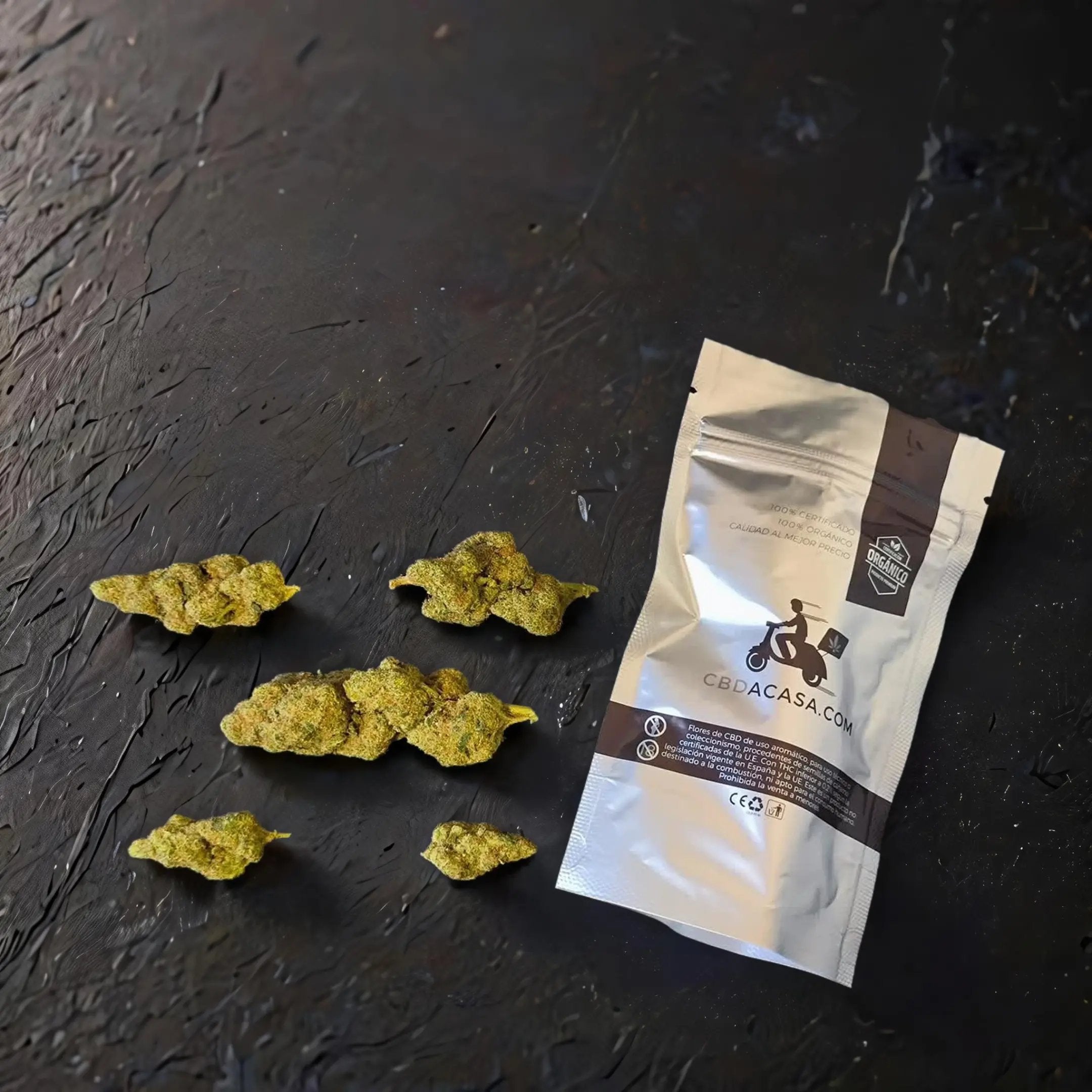
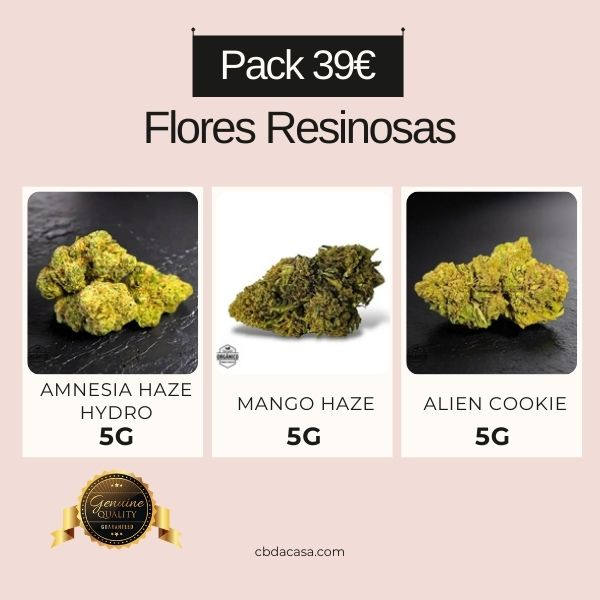
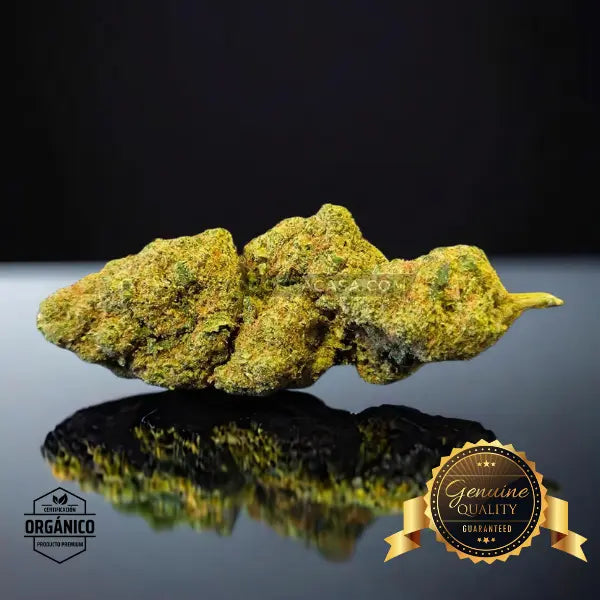
Here I show you CBDACASA's Amnesia, which has a very exotic, Sativa-dominant hybrid heritage from diverse countries such as Thailand, Jamaica, and Cambodia.
What Causes the Difference in Effects Between Indica and Sativa?
The difference between Indica and Sativa cannabis is not only due to the plant's appearance but also to the compounds they contain: cannabinoids and terpenes.
- Cannabinoids:
- Tetrahydrocannabinol (THC) is the main psychoactive compound in cannabis and is found in both varieties, but in different concentrations. Sativas usually have higher THC concentrations, while Indicas may have more balanced ratios of CBD (cannabidiol), known for its relaxing effects.
- Terpenes: These aromatic compounds also play a crucial role. Sativas tend to have terpenes that promote alertness, such as limonene, while Indicas typically contain more myrcene, which induces a sense of calm and sedation.
Indica vs. Sativa: Which to Choose?
The choice between Indica and Sativa depends on the user's purpose. If you're looking to relax at the end of the day or relieve physical pain, Indica might be your best option. On the other hand, if you need to stay focused and energized during the day, Sativa might be more suitable.
Recreational Uses
- Sativa: Commonly used during the day, due to its ability to boost mood, energy, and creativity.
- Indica: Ideal for evening relaxation, as it can help calm the body and mind.
Medical Uses
- Sativa: Useful for treating emotional disorders, such as depression and attention deficit hyperactivity disorder (ADHD).
- Indica: Commonly prescribed to treat chronic pain, insomnia, and inflammatory conditions.
Hybrids: The Best of Both Worlds is in CBDACASA's CBD

Today, many consumers opt for hybrid varieties, which combine the characteristics of Indicas and Sativas to achieve a balance between physical and mental effects. Hybrids can lean more towards an Indica dominant, a Sativa dominant, or be balanced at 50/50. This allows users to enjoy the benefits of both cannabis varieties according to their individual needs.
That's why at CBDACASA we talk about predominance:
- AK47 is a hybrid CBD with Sativa predominance, one of the most awarded in the world.
- CBD Bubble Gum flowers with Sativa dominance, with THC concentration below 0.2%
- Runtz Muffin CBD flowers – hybrid variety 50% Sativa 50% Indica – were invented by crossing Gelato 41 and Zkittlez.
- Mandarina Kush CBD flowers. An Indica-dominant cannabis variety, it's a cocktail of grapefruits, oranges, and lemon, a fresh CBD flower option with a special terpene profile.
We have mentioned on several occasions that one cannot speak of Sativa or Indica CBD flowers, and even less so in the case of CBD flowers, since they are not psychotropic substances (they contain less than 0.3% THC in accordance with current regulations in Spain and Europe).
All cannabidiol varieties are polyhybrids, having been obtained by crossing Sativa or Indica dominant plants; however, CBD Crystal Snow flowers have a strong genetic heritage, coming from 2 very Indica varieties, so they are clearly CBD flowers with a strong Indica dominance.

Do Indicas and Sativas Smell Different?
Some cannabis enthusiasts claim that Indica and Sativa varieties have different aromas, and research seems to confirm this idea. Terpenes, aromatic compounds present in cannabis, are responsible for their unique odors. Recent studies suggest that differences in terpene profiles between Indicas and Sativas may contribute to this variation in aromas.
Research on Cannabis Terpenes
A study conducted by the Canna Foundation analyzed the chemical profiles of 99 cannabis varieties. Researchers found that, although myrcene was the dominant terpene in most strains, there were clear differences in the terpene profiles of Indica and Sativa varieties.
- Indica: Indica strains tended to have higher concentrations of camphene, myrcene, and limonene.
- Sativa: On the other hand, Sativa strains contained higher concentrations of terpenes such as sabinene, carene, α-phellandrene, cineol, and terpinolene.
Terpene and Aroma Breakdown
Although you have a more extensive article on Terpenes here.
- Camphene: Common in plants like dill and fennel, its aroma resembles camphor.
- Myrcene: Earthy and musky, used in cleaning products and fragrances.
- Limonene: With a potent citrus aroma, found in citrus peels.
- Sabinene: Present in black pepper and fir, it has a woody aroma.
- Carene: With a sweet and pungent pine and citrus aroma, it comes from fruits like grapefruits.
- α-Phellandrene: Common in eucalyptus, it has a fresh minty and citrusy smell.
- Cineol: Also called eucalyptol, its mentholated aroma is refreshing and fresh.
- Terpinolene: A floral and herbaceous aroma, present in a wide variety of plants.
How Terpenes Affect the Smell of Marijuana
The combination and concentration of these terpenes directly influence the distinctive aromas of Indica and Sativa varieties. For example, the strong citrus aroma of limonene in Sativas contrasts with the earthy and musky profile of myrcene in Indicas.
If you are a cannabis consumer, we encourage you to pay attention to the aroma of different strains and experience how these terpene profiles affect both the smell and the overall cannabis experience.
Get used to smelling and observing how different terpenes contribute their unique characteristics to the plant, and discover the subtleties that differentiate cannabis varieties.
Key Takeaways from All This
The choice between Indica and Sativa cannabis depends on the desired effects and personal use. While Indica is best known for its ability to relax the body and mind, Sativa is appreciated for its energizing and stimulating effects. Understanding the differences between these two varieties allows consumers to make informed decisions about which type of cannabis is best for them, whether for recreational or therapeutic purposes.
It is essential to remember that although the differences between Indica and Sativa are clear in terms of morphology and general effects, the precise effects can vary depending on each person's individual chemistry, dosage, and other factors. Therefore, experimentation and consultation with health professionals or cannabis experts are key to finding the best variety for each user.
References:
- https://www.ncbi.nlm.nih.gov/pmc/articles/PMC6482919/
- https://www.frontiersin.org/articles/10.3389/fpsyg.2019.02466/full
- https://www.gov.uk/government/news/mhra-statement-on-products-containing-cannabidiol-cbd
- https://www.openaccessgovernment.org/cbd-market-value/77851/
- https://www.ncbi.nlm.nih.gov/pmc/articles/PMC7023045/
- https://psycnet.apa.org/doiLanding?doi=10.1037%2Fpha0000465
- https://www.ncbi.nlm.nih.gov/pmc/articles/PMC4851925/