
5 Interesting and Worrying Aspects of Aging that CBD Can Help Mitigate
Aging is a natural process that involves the gradual deterioration of biological functions, increasing vulnerability to diseases. Recent studies indicate that the immune system plays a key role in this process, as its functional decline over time leads to chronic inflammation, contributing to the development of diseases such as osteoporosis, osteoarthritis, and cancer. Research has shown that cannabidiol (CBD) can regulate the immune system, offering a way to slow down aging and improve longevity. In a study conducted in May 2020, 51% of elderly people reported improvements in their quality of life after using CBD, and 89% would recommend it for recurring health problems.
The endocannabinoid system (ECS) is essential for maintaining homeostasis in the body, and its modulation through CBD has shown neuroprotective and antioxidant effects. Furthermore, an animal study conducted in the nematode model Caenorhabditis elegans demonstrated that CBD prolongs median lifespan by up to 18.3% and improves vital activity in later stages by up to 206.4%. These investigations suggest that CBD could influence key aging factors such as oxidative stress and telomere stability, promoting a healthier and longer life.
The aging process is complex and affects multiple body systems. However, recent research suggests that cannabidiol (CBD) may offer promising benefits to counteract some of the most concerning effects of aging. Below, we present five key aspects of aging that CBD can help mitigate:
1. Chronic Inflammation: "Inflammaging"
One of the most concerning problems associated with aging is low-grade chronic inflammation, known as "inflammaging." This constant inflammatory state negatively affects organs and contributes to age-related diseases such as atherosclerosis, Alzheimer's, and cancer. CBD has been shown to have potent anti-inflammatory properties that could help reduce inflammation and protect body tissues. By acting on the endocannabinoid system, CBD regulates pro-inflammatory cytokines, helping to control the chronic inflammation that accelerates aging.
2. Oxidative Stress: The Silent Enemy
Oxidative stress, caused by an excess of free radicals, is a major contributor to cellular aging. This oxidative damage is linked to the deterioration of cognitive functions and the development of degenerative diseases such as Parkinson's and Alzheimer's. CBD, with its powerful antioxidant properties, acts by neutralizing free radicals and protecting cells from damage. Studies have shown that CBD can prevent the generation of reactive oxygen species (ROS), a key factor in cellular aging.
3. Telomere Loss: The Shortening Biological Clock
Telomeres are the protective ends of our chromosomes and function like a biological clock. As we age, these telomeres shorten, eventually preventing cells from replicating correctly, leading to cell death. Telomere shortening is linked to cardiovascular disease, cancer, and other age-related disorders. Studies indicate that CBD regulates the SIRT1 protein, which is crucial for maintaining telomere integrity, thus slowing down this natural process and promoting cellular longevity.
4. Cognitive Decline and Neurodegeneration

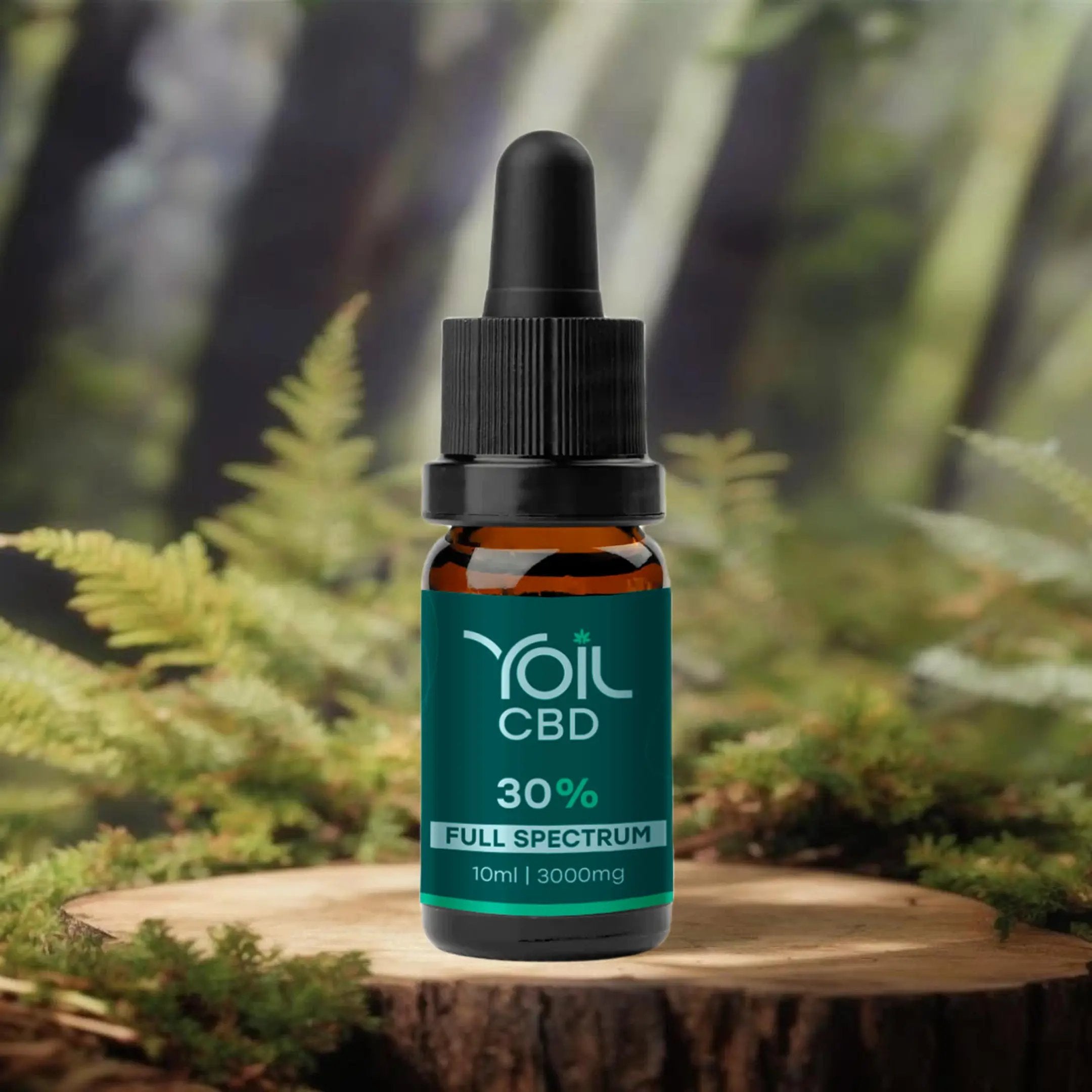
Photo Yoil CBD, one of the best ways to consume CBD for anti-aging
Brain aging is a central concern, especially with the increase in neurodegenerative diseases such as Alzheimer's and dementia. The endocannabinoid system plays a key role in neuroprotection, and CBD has shown beneficial effects by reducing brain inflammation and protecting neurons. In preclinical models, CBD has shown potential to prevent neuronal damage, suggesting it could be useful in combating age-related cognitive decline.
5. Insulin Resistance and Altered Metabolism
Insulin resistance, which develops with aging, is associated with metabolic syndrome, type 2 diabetes, and obesity. These metabolic disorders accelerate aging and increase the risk of chronic diseases. CBD acts on PPAR-γ receptors, which play an important role in glucose regulation and insulin sensitivity. By improving the body's response to insulin, CBD could help mitigate the risk of metabolic diseases and promote healthier aging.
To keep in mind
Aging is an inevitable process, but recent studies suggest that cannabidiol (CBD) can offer significant benefits in addressing some of the most concerning aspects of this process. From reducing chronic inflammation and oxidative stress to protecting telomeres and improving metabolic function, CBD is presented as a promising tool to promote longevity and improve the quality of life in old age.

If you don't know it yet, I present our CBD cosmetics, selected products that we have tested.