
CBD, Chronic Pain, and Inflammation: The Challenge, "The Dose"
CBD, Chronic Pain, and Inflammation: Between Scientific Doubt and Hope
We've described how CBD interacts with the endocannabinoid system. But when it comes to its application in chronic pain and inflammation, the question remains: does it really work... or does it just create expectations?
Plausible Mechanisms, but Still Under Debate
Chronic pain involves both the central nervous system and peripheral inflammatory processes. Experimentally, CBD appears to influence multiple pathways: it reduces pro-inflammatory cytokines, activates TRPV1 receptors related to pain perception, and modulates neuronal responses that could be relevant in neuropathic pain. It has even been observed that CBD can increase adenosine signaling, a neurotransmitter with analgesic and anti-inflammatory effects, which opens new lines of research in pain pharmacology.
Clinical Evidence: Light and Shadow
- General Chronic Pain: A review in The Journal of Pain (2024) concluded that most clinical trials did not show clear differences compared to placebo. However, some subgroups (patients with neuropathic pain and fibromyalgia) did report improvements in quality of life and sleep.
- Arthritis: A 2022 trial showed that a topical CBD gel significantly reduced pain in thumb arthritis. Another trial in 2023 with oral CBD did not show conclusive results, although the dose used was likely insufficient.
- Neuropathic Pain: Although clinical evidence is still considered low quality, recent preclinical studies have found that CBD can prevent central sensitization—a key mechanism in the chronification of pain.
- Inflammatory Bowel Disease: Patients report subjective relief, and in animal models, CBD has been observed to protect the intestinal mucosa by reducing oxidative stress and the infiltration of inflammatory cells. In humans, clinical results are not yet conclusive.

Recent Discoveries That Make a Difference
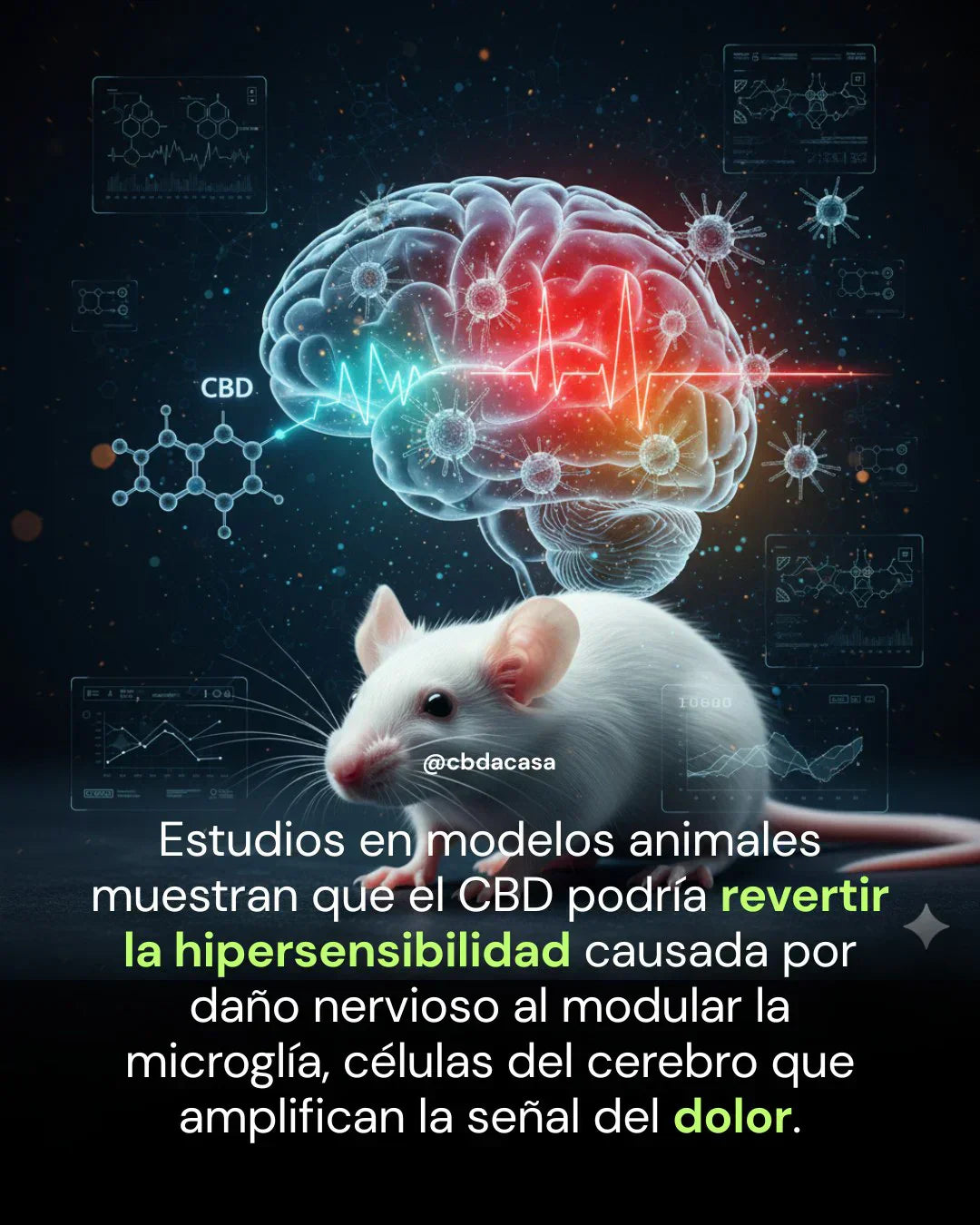
A particularly striking finding comes from pain neuroscience research: studies with animal models have shown that CBD can reverse hypersensitivity induced by nerve damage by modulating microglia, the immune cells in the brain that amplify the pain signal. This not only points to a potential for treating refractory neuropathic pain but also opens a new therapeutic approach in diseases where neuroinflammation plays a central role.
Another relevant discovery is that CBD could enhance the analgesic effects of opioids at low doses, allowing for reduced dependence and tolerance, one of the major problems in current pain medicine.
The Challenge of Dosage and Administration Route
Part of the uncertainty comes from variability in studies: very low doses in some trials, different products (isolates vs. combined with THC), and diverse routes (topical, oral, sublingual). All of this makes it difficult to compare results and may explain why some studies show clear benefits while others do not.
Conclusion: Does it work or not?
After reviewing the mechanisms, clinical evidence, and the latest findings, the most prudent answer remains that science has not yet had its final say. However, emerging results in arthritis, neuropathic pain, and chronic inflammatory processes confirm that CBD is more than a passing fad.
Its ability to modulate both inflammation and pain perception, along with impactful discoveries in neuroscience and pharmacology, consolidate it as a real and promising therapeutic tool. Today, research continues into how, how much, and in which patients it is most effective, but what we already know justifies its place in the future of pain and inflammation management.

What do you want to know about CBD? We answer you!!