
All you need to know about Menopause and CBD
Female health is governed by a complex hormonal symphony. However, at two key moments in life—the menstrual cycle and menopause—this system becomes dysregulated, leading to a cascade of symptoms ranging from pain and anxiety to hot flashes. Cannabidiol (CBD), a non-psychoactive phytocannabinoid from the Cannabis sativa plant, is emerging as a potential regulator of these imbalances.
I. Introduction and Pharmacological Principles
The key to CBD's clinical application lies in the fact that, unlike THC, it does not produce euphoric or psychomotor effects, maintaining a favorable safety profile even at high doses. Its action is not limited to cannabinoid receptors; it acts as a "master key" that influences several body systems controlling mood and pain.
The pharmacological principles of CBD that are crucial for women include its ability to mitigate pain, inflammation, and anxiety. It achieves this in several ways:
- Mood Regulation: CBD acts as a partial agonist of the 5HT-1A serotonin receptor, a pathway directly linked to the regulation of anxiety and depression, which is crucial for cyclic mood changes.
- Analgesic and Anti-inflammatory: It modulates TRPV1 receptors, which are essential in pain perception and inflammation, providing a solid basis for alleviating cramps and joint pain.
- Calming Effect: It enhances the activity of the GABA neurotransmitter (the brain's primary inhibitor), resulting in a relaxing and calming effect, mitigating irritability associated with hormonal fluctuations.

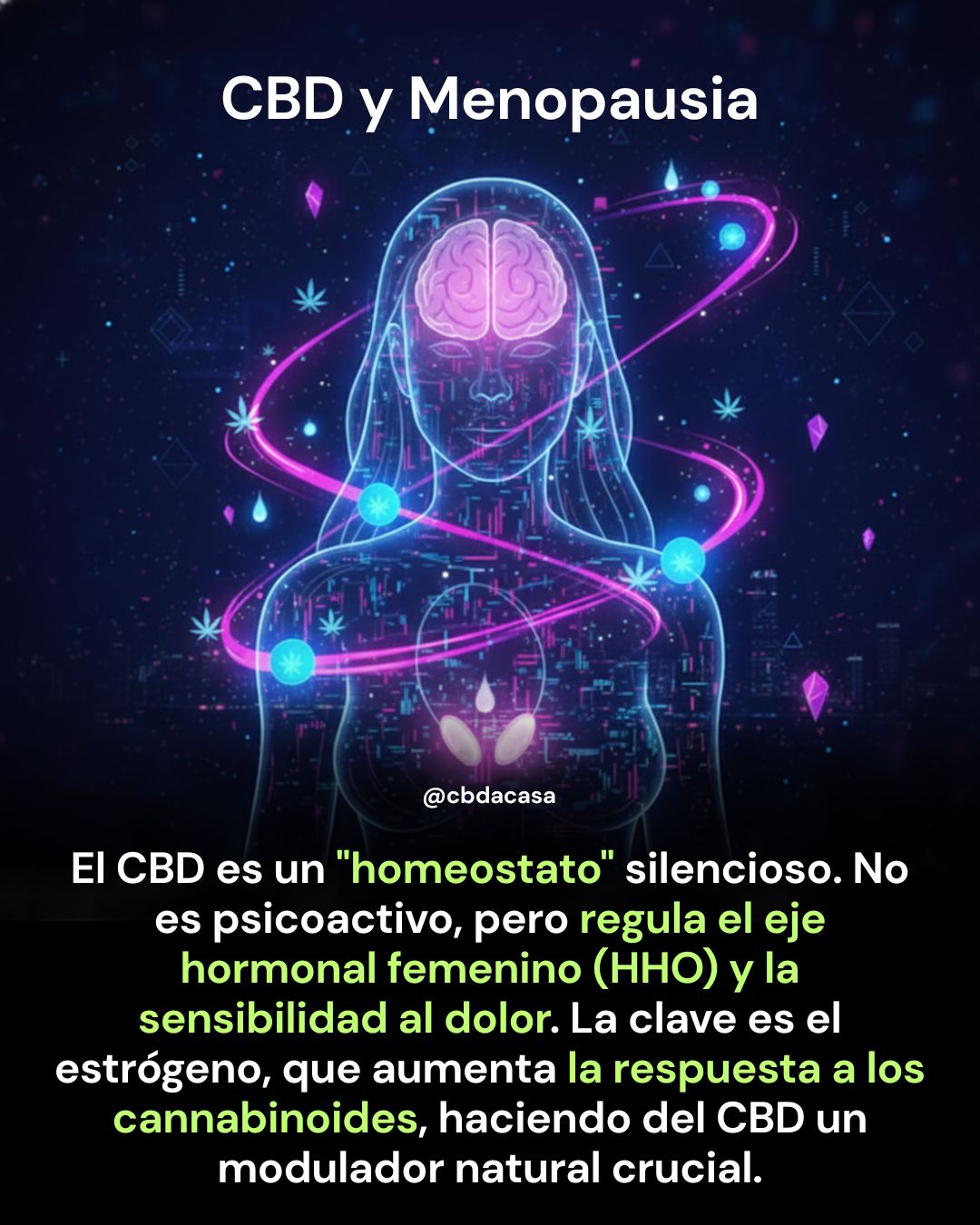
This multiple mechanism is linked to the Endocannabinoid System (ECS), the body's internal cannabinoid network, which functions as a central homeostat and maintains an intrinsic relationship with the hypothalamic-pituitary-ovarian (HPO) axis. In fact, the activity of the ECS itself fluctuates with the cycle: levels of the endocannabinoid anandamide (AEA) peak at ovulation and drop to their minimum in the late luteal phase. Hormones modulate this sensitivity: estrogen generally increases sensitivity to cannabinoids, while progesterone tends to decrease it.
II. CBD: Menopause and Estrogen Decline
Menopause and perimenopause mark the decline in estrogen levels, triggering a cascade of symptoms that CBD could help alleviate. At this stage, the therapeutic focus is on managing acute symptoms (hot flashes, insomnia) and mitigating long-term systemic risks (bone and metabolic health).
The Challenge of Hot Flashes and Night Sweats
Managing vasomotor symptoms (VMS), such as hot flashes and night sweats, is the primary challenge of menopause. Although CBD's role in directly treating VMS is the area with the weakest and most preliminary clinical evidence, some anecdotal reports suggest a reduction in their frequency and intensity.
The theoretical basis is that CBD has the potential to regulate body temperature through its interaction with serotonin receptors, which play a role in hypothalamic thermoregulation. However, the evidence is insufficient, and rigorous studies are needed to validate whether CBD can influence KND and hypothalamic neurons, which are key to hot flashes.
Anxiety and Insomnia: The Greatest Indirect Benefit
The main benefit of CBD in menopause, and the best supported by population evidence, is the management of comorbidities: anxiety and insomnia.
Surveys confirm that women value cannabis for its anxiolytic and sleep-promoting effects. Improved sleep is vital, as night sweats disrupt rest. By improving sleep quality and duration and reducing general anxiety, CBD decreases the emotional burden that often exacerbates VMS. Therefore, CBD offers an indirect but substantial clinical benefit by improving overall well-being.

Potential to Combat Systemic Wear and Tear
Postmenopause is associated with an increase in chronic inflammation, which contributes to joint pain and cardiometabolic risk. Here, CBD's anti-inflammatory properties offer relief for symptoms such as joint pain.
More crucial are preclinical findings. In animal models of estrogen deficiency (simulating postmenopause), CBD administration was associated with improvements in bone density, better glucose disposal, and reduced inflammation in bone and intestinal tissues. If these results are validated in humans, CBD could have a disease-modifying role, helping to prevent serious complications such as osteoporosis and cardiometabolic disease, elevating its potential beyond acute symptom palliation.
III. Clinical Considerations: Hormonal Precaution
Despite its promising potential, the application of CBD requires caution due to its ability to interact with other medications through the cytochrome P450 (CYP450) enzyme system in the liver.
- Oral Contraceptives (OCP): CBD is an inhibitor of the CYP3A4 enzyme, which metabolizes contraceptive hormones. Theoretically, this could alter contraceptive efficacy or increase toxicity. It is strongly recommended to use supplemental barrier birth control methods.
- Hormone Replacement Therapy (HRT): For menopausal women using HRT, CYP450 interaction is also a concern. Although CBD does not contain hormones or interfere with hormonal balance per se, medical consultation is required to assess metabolic risk and adjust the dosage.
In conclusion, CBD is a promising tool in menopause, especially for improving quality of life through the management of insomnia and anxiety, but its use should always be guided by a professional, paying close attention to pharmacological interactions and the need to achieve effective therapeutic doses.
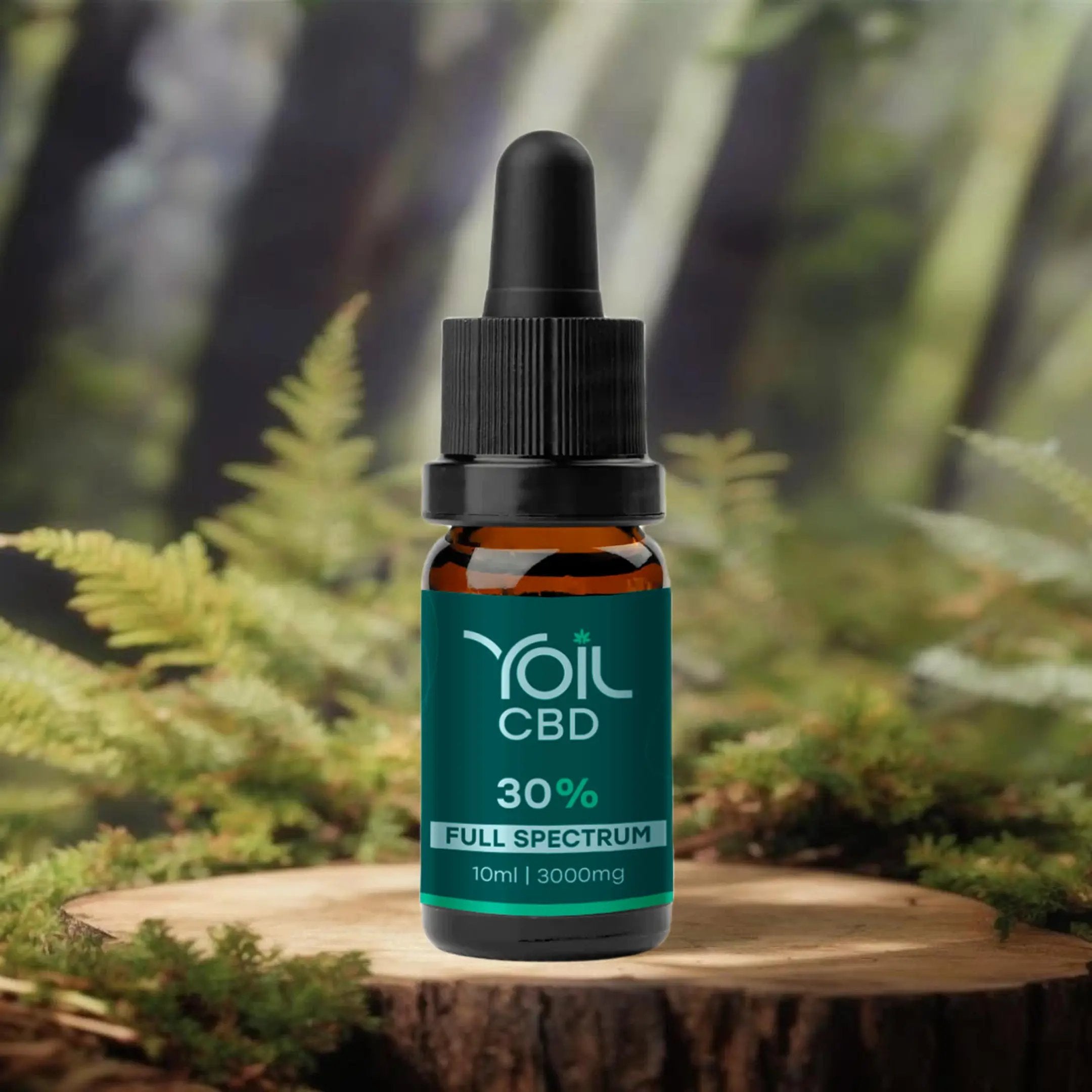
For those looking to apply the benefits described in this article, and always under the advice of a healthcare professional, Yoil Full Spectrum natural oil | of is the most recommended option today.

The Full Spectrum 10% Oil format is ideal for managing systemic menopausal symptoms because:
-
Addresses Anxiety and Insomnia: oils are highly recommended for their relaxing and anxiety-calming properties, facilitating deeper sleep.
-
Alleviates Inflammation: Helps mitigate pain and inflammation, including chronic joint pain that intensifies in postmenopause.
-
Full Spectrum Effect: Contains a full range of cannabinoids and terpenes from the plant, which enhances the efficacy of through the "entourage effect."
🌿 Find Yoil Full Spectrum natural oil | HERE and begin your journey to hormonal well-being.
And if you are interested in reading more about this topic, you can delve deeper here:
The Impact of Cannabidiol Treatment on Anxiety Disorders: A Systematic Review of Randomized Controlled Clinical Trials
A complete guide: CBD Oil for Menopause
Cannabidiol for Women: Can It Help with Hormonal Issues?
The correlation of anandamide with gonadotrophin and sex steroid hormones during the menstrual cycle
Estrogenic Regulation of Limbic Cannabinoid Receptor Binding