
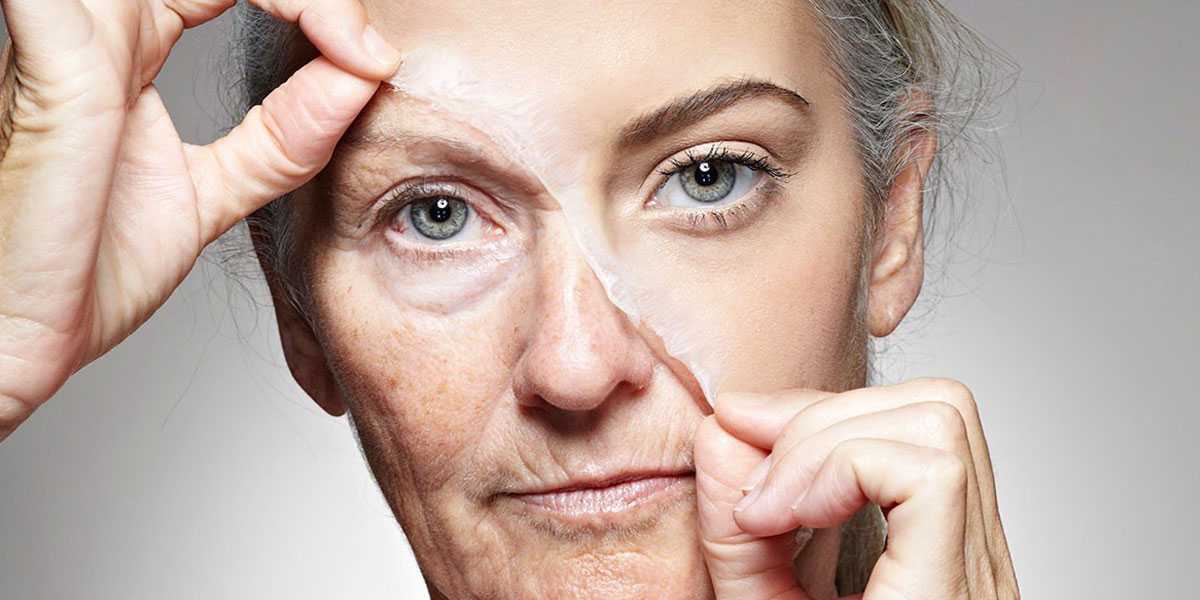
Are you worried about aging? Do you know why oxidative stress occurs and WHAT IT IS and how to prevent it?
You've surely heard of oxidative stress, but you might not know what it is.
Why does oxidative stress occur?
Oxidative stress occurs when there is an imbalance between the production of free radicals (unstable molecules that damage cells) and the body's ability to neutralize them with antioxidants. This imbalance can be caused by external factors such as exposure to pollutants, smoking, radiation, or by internal processes such as cellular metabolism. Free radicals attack essential cellular components such as proteins, lipids, and DNA, contributing to chronic diseases and aging.

Scientific Evidence
Everything with a label in medicine usually has several reports declaring it the cause. Although many times we humans invent names to be calmer by labeling things and having them identified.
Oxidative stress is known by several related terms, such as:
1. Cellular oxidative stress
2. Oxidative damage
3. Mitochondrial oxidative stress
4. Redox imbalance
5. Reactive Oxygen Species (ROS) damage
Common Causes of Oxidative Stress
Surely, if you follow any longevity recommendation network, you've wondered why they protect their skin so much from the environment in general. The reason is that evidence indicates that some factors "wear out" (paraphrasing) our biology faster than others.
1. Exposure to pollutants: Such as cigarette smoke and pollution.
2. UV radiation: Excessive sunlight generates free radicals.
3. Poor diet: Lack of antioxidants like vitamins C and E.
4. Smoking and alcohol: Increase the production of free radicals.
5. Chronic stress and sedentary lifestyle: Contribute to ROS production.
1. Generation of Free Radicals: According to a study published in Frontiers, the overproduction of free radicals in mitochondria and the activation of certain enzymes, such as NADPH oxidase, are key to the cellular damage caused by oxidative stress. This occurs when the body cannot maintain an antioxidant balance due to the high production of reactive oxygen species (ROS).
2. Cellular Damage and Aging: A report in NCBI highlights that oxidative stress is related to aging and chronic diseases, due to the accumulation of damage to proteins, lipids, and DNA. This damage promotes cellular dysfunction, which accelerates age-related diseases such as Alzheimer's and cardiovascular diseases.
3. Antioxidants and Cellular Protection: Antioxidants, both endogenous and exogenous (derived from diet), play a crucial role in neutralizing free radicals and protecting cells. Studies show that enzymatic antioxidants such as superoxide dismutase and catalase are essential for reducing oxidative damage.
What foods prevent oxidative stress?
To prevent oxidative stress, it is essential to consume foods rich in antioxidants, which help neutralize free radicals. Here is a list of foods that stand out for their ability to combat oxidative stress:

1. Fruits Rich in Vitamin C
• Oranges, strawberries, kiwis, and blackberries: Vitamin C is a powerful antioxidant that helps protect cells from oxidative damage.
2. Leafy Green Vegetables
• Spinach, kale, and broccoli: Rich in antioxidants such as lutein and zeaxanthin, which protect cells from free radical damage.
3. Berries
• Blueberries, raspberries, and blackberries: Contain anthocyanins, antioxidant compounds that reduce inflammation and cellular damage.
4. Nuts and Seeds
• Almonds and walnuts: Rich in vitamin E, a fat-soluble antioxidant that protects cells from free radicals.
5. Green Tea
• Rich in catechins, antioxidants that protect against oxidative damage and inflammation.
6. Dark Chocolate
• Contains flavonoids that help protect cells against oxidative damage and improve cardiovascular health. It has also been shown to encourage the production and mobility of stem cells.
7. Tomatoes
• Rich in lycopene, an antioxidant that protects cells from damage caused by free radicals, especially in the skin.
8. Extra Virgin Olive Oil
• Rich in antioxidants such as vitamin E and polyphenols, which reduce oxidative stress in cells.
Including these foods in your daily diet can help prevent oxidative stress and promote overall better health.
Can CBD prevent premature oxidative stress?
CBD can prevent oxidative stress due to its potent antioxidant and anti-inflammatory properties. Oxidative stress occurs when there is an imbalance between the production of free radicals and the body's ability to neutralize them with antioxidants, leading to damage to cells, proteins, and DNA. CBD acts directly on this process by scavenging free radicals and transforming reactive compounds into less active forms, which helps protect cells from oxidative damage.
Mechanism of action of CBD against oxidative stress:
1. Interaction with the redox system: CBD regulates redox balance by affecting both oxidants and antioxidants in the body. A study in Portland Press showed that CBD reduces the production of superoxide radicals (ROS), which are responsible for oxidative damage, by inhibiting the activity of enzymes such as NADPH oxidase.
2. Reduction of inflammation and cellular damage: CBD can also reduce nitric oxide (NO) levels, a molecule that contributes to oxidative stress, and protect endothelial cells from damage caused by inflammatory conditions. This makes it especially useful for preventing chronic diseases associated with aging, such as diabetes and cardiovascular diseases.
3. Cellular-level protection: A study reviewed in MDPI highlights how CBD prevents neuronal damage and protects cells against lipid peroxidation (degradation of lipids by free radicals), a key factor in cellular dysfunction and neurodegenerative diseases.
Thanks to these properties, CBD is being investigated as a therapeutic option to treat diseases associated with cellular aging, neurodegenerative damage, and chronic inflammation.
Keep in mind that there are many ways to treat oxidative stress, and if you rely on one, our way is with organic CBD oil, we believe it is the healthiest way of all.
Thanks for reading