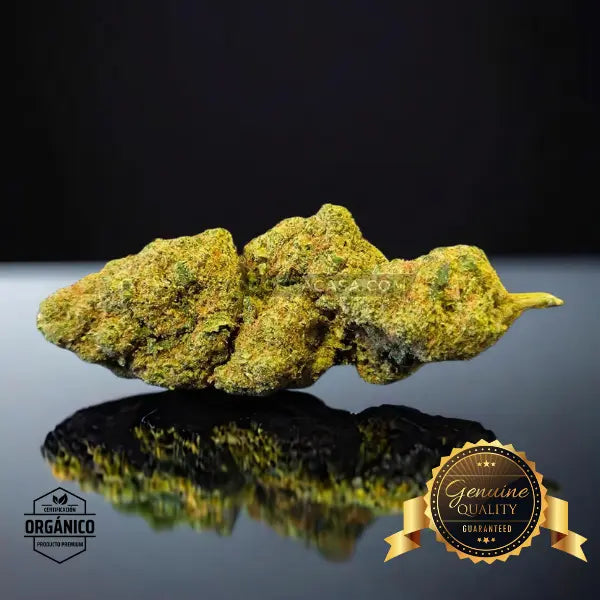


What Are Cannabis Terpene Profiles?
You've surely seen the word many times and asked yourself, "but what are TERPENES?"
Terpenes are natural aromatic compounds found in many plants, including citrus, pine trees, and cannabis. These compounds are not only responsible for the unique aromas and flavors of cannabis but also influence its therapeutic effects. In the context of cannabis, a terpene profile refers to the specific combination of different terpenes present in a particular strain.
Why are they important?
Terpenes play a fundamental role in the user's experience and the plant's effects, as they interact with cannabinoids (like THC and CBD) in a phenomenon known as the entourage effect. This effect refers to how terpenes and cannabinoids work together to influence the overall impact of cannabis, modulating psychoactive and therapeutic effects.
Common Terpenes in Cannabis
- Myrcene: With an earthy, musky aroma, this terpene is found in many cannabis varieties and is believed to have relaxing effects. It is also found in hops and lemongrass.
- Limonene: Provides citrusy and fresh aromas. It is known for its energizing effects and can help relieve stress and improve mood.
- Pinene: Has a pine aroma and has been associated with respiratory benefits and anti-inflammatory properties.
- Linalool: With a floral aroma, similar to lavender, linalool is believed to have calming effects and can help reduce anxiety.
- Caryophyllene: This terpene has a spicy aroma and is the only one known to interact directly with cannabinoid receptors. It has anti-inflammatory and anxiolytic properties.

Aromatherapy: Cannabis Terpenes
The cannabis plant harbors at least 140 different types of terpenes, each with unique properties that enrich both the aroma and therapeutic effects of cannabis. Cannabis essential oil, green in color and highly volatile, is extracted by steam distillation from the flowers and upper leaves of the plant. Due to its potency, only small amounts are needed to achieve the desired effects. This essential oil not only benefits the mind and body but also offers an economical and natural solution for maintaining well-being.
Among the most prominent terpenes in cannabis aromatherapy are alpha-bisabolol, alpha-pinene, beta-pinene, borneol, caryophyllene, humulene, limonene, linalool, and myrcene. The unique combination of these compounds is responsible for the characteristic aromas and flavors of each cannabis variety, also providing multiple health benefits. For example, pinene acts as a decongestant, facilitating breathing, while limonene is known for its antioxidant and anti-inflammatory properties.
The Entourage Effect: Terpenes and Cannabinoids in Synergy
Terpenes do not work alone; they interact with cannabinoids, such as tetrahydrocannabinol (THC) and cannabidiol (CBD), maximizing therapeutic benefits in a phenomenon known as the entourage effect. For example, the terpenes alpha-pinene and beta-pinene can reduce the psychoactive effects of THC. In turn, beta-caryophyllene binds to CB2 receptors, modulating the body's chemical responses, while borneol widens pulmonary capillaries, facilitating rapid absorption of cannabis compounds into the bloodstream.
Together, terpenes and cannabinoids not only provide unique aromas but also enhance the therapeutic experience, offering relief for conditions such as inflammation, pain, and anxiety, among others.
Function and Benefits
In addition to providing unique smells and flavors, terpenes also have therapeutic properties, such as:
- Anti-inflammatory properties: Some terpenes, like caryophyllene, can help reduce inflammation.
- Anxiety and stress relief: Linalool and limonene are known for their relaxing and anxiolytic effects.
- Energizing or calming: Depending on the terpene profile, some cannabis strains can be energizing (e.g., rich in limonene) or relaxing (with high levels of myrcene).
How Do Terpenes Influence the User?
Terpene profiles affect the type of experience a user has with a cannabis strain. A strain rich in limonene and pinene may have a more stimulating effect, while one rich in myrcene and linalool may be more sedating. This interaction between terpenes and cannabinoids is what makes each strain have unique effects and may be why two varieties with similar THC levels have such different effects.
What has science proven about terpenes and their benefits in humans?
1. Cannabis Terpenes and Pain Relief
A study conducted at the University of Arizona Health Sciences found that cannabis terpenes, such as linalool and pinene, mimic the effects of cannabinoids and help reduce pain. Furthermore, when combined with cannabinoids, like THC, analgesic effects increased without increasing negative side effects. This suggests that terpenes could be an option for pain therapies with fewer adverse effects than conventional opioids .
2. Anti-Inflammatory Effects of Terpenes
Various terpenes such as D-limonene and myrcene have shown anti-inflammatory properties in clinical studies. These terpenes inhibit the production of pro-inflammatory cytokines like TNF-α and IL-6, reducing inflammation and tissue damage in laboratory models. These effects were observed in human cells and animal models, suggesting their therapeutic potential in inflammatory diseases .
3. Chemotherapy Syndrome and Terpenes
Researchers found that cannabis terpenes, when administered alone or in combination with cannabinoids, can alleviate chemotherapy side effects such as neuropathic pain and nausea. In this study, terpenes acted similarly to conventional analgesics but without the typical side effects of opioids, opening possibilities for safer therapies .
4. Terpene-Cannabinoid Interaction in the Entourage Effect
Another important study reviewed in MDPI analyzed the synergy between terpenes and cannabinoids, known as the "entourage effect." Researchers found that terpenes such as caryophyllene and linalool amplify the therapeutic effects of cannabinoids in the treatment of conditions like anxiety, epilepsy, and depression .
5. Therapeutic Use of Terpenes in Neurodegenerative Diseases
Recent research has indicated that some terpenes may have neuroprotective effects, aiding in diseases such as Alzheimer's or Parkinson's. Terpenes like pinene have been shown to improve cognitive function and reduce neuroinflammation in preclinical studies, suggesting their potential as complementary treatments .